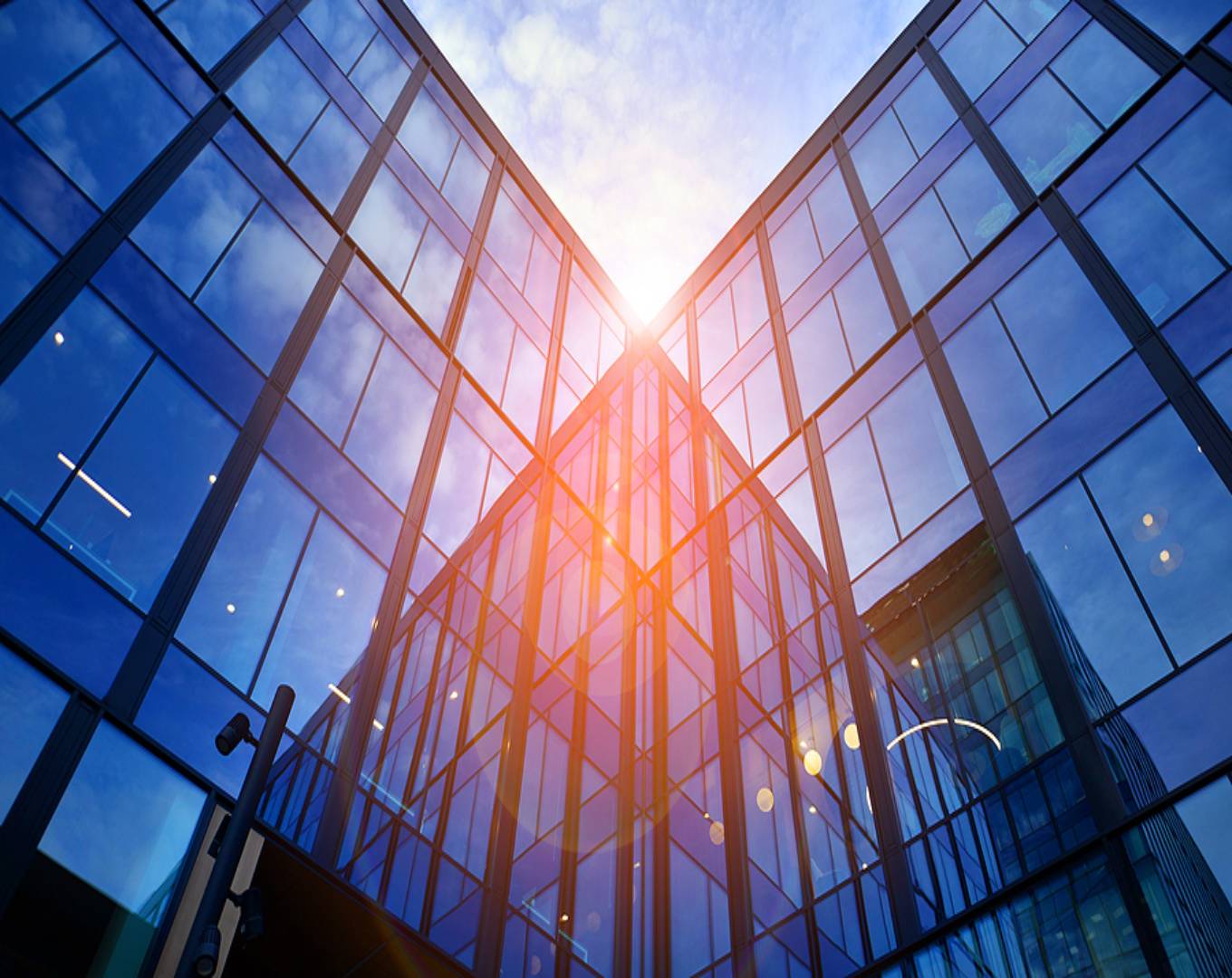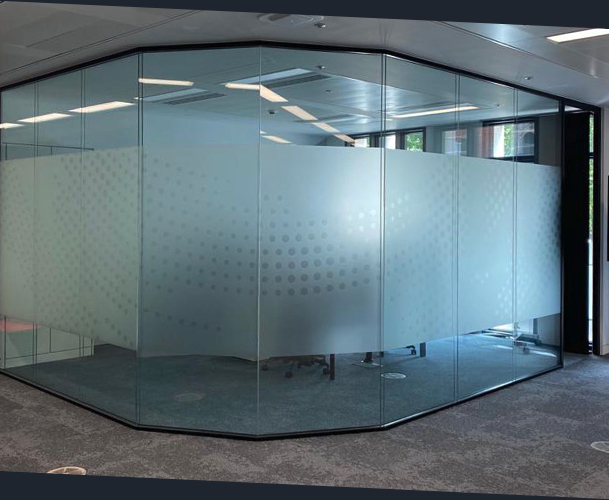
One of the most underappreciated aspects of modern glass construction is how strong modern structural glass truly is, particularly given the sheer size and thinness of the types of glass panes used for staircases, partitions and structural elements.
There is so much that can be done with modern glass construction and part of the reason why so many modern offices are gleaming displays of glass and brushed metal is because such a system allows for a lot of natural light whilst also looking supremely modern.
However, the earliest precursor to modern structural glass construction is well over a century old and was designed with far more simplistic architectural principles.
If glass is used to allow light into a building, and bricks are used as a structural element, then the most effective way to create structures that allow a lot of natural light, it was thought at the time, would be to literally create bricks out of glass.
Amazingly this system worked, and it may potentially have saved lives during a time when having enough light to safely do your job was not necessarily guaranteed.
Light In Impossible Darkness
During the 19th century, in an era where the light bulb could barely illuminate the lamp it was fitted to, lighting dark areas or rooms at night relied on natural gas or kerosene.
This was not usable below deck on ships nor in factories or underground areas due to the risk of fire or asphyxiation due to a lack of ventilation.
The initial plan was to use grates, but after they posed a trip hazard, the next step was the pavement light, an early glimpse of the potential of glass as a structural material.
Embedded in strong enough frames the translucent prism glass was strong enough to handle constant foot traffic but allowed enough light during the day and night thanks to street lighting in order to enable people to work effectively, at least after a redesign in 1845.
However, this only proved that glass could be strong enough to stand on. It would take another half-century before true structural glass would prove its potential.
Bricks Of Glass
The Swiss inventor Gustave Falconnier was the inventor of the “brique de verre” (Glass brick/block), initially as a way to develop more effective greenhouses than were possible at the time.
It was made, somewhat unusually, the same way other blown glass is made, with glass blocks breathed into a special mould much like glass bottles or vases were, but were sealed whilst hot to create a partial vacuum and had recessed sides to enable the bricks to take mortar and be fitted like conventional bricks.
The design was convenient, light enough to allow for curtain walls and early (albeit thick) partitions, was durable, beautifully designed and served as an insulator, as the vacuum seal worked similarly to double glazing.
It was quite popular and won an award at the turn of the 20th century, but the concept became exceptionally popular during the Art Deco and Streamline Moderne movements of the 1920s and 1930s.
The capability of glass brick as a structural element that provided light and privacy has made it popular ever since, and allowed for more practical glass partitions to flourish.