The story of the modern office has been a series of constant attempts to achieve an impossible compromise between a range of different working needs that are seemingly contradictory.
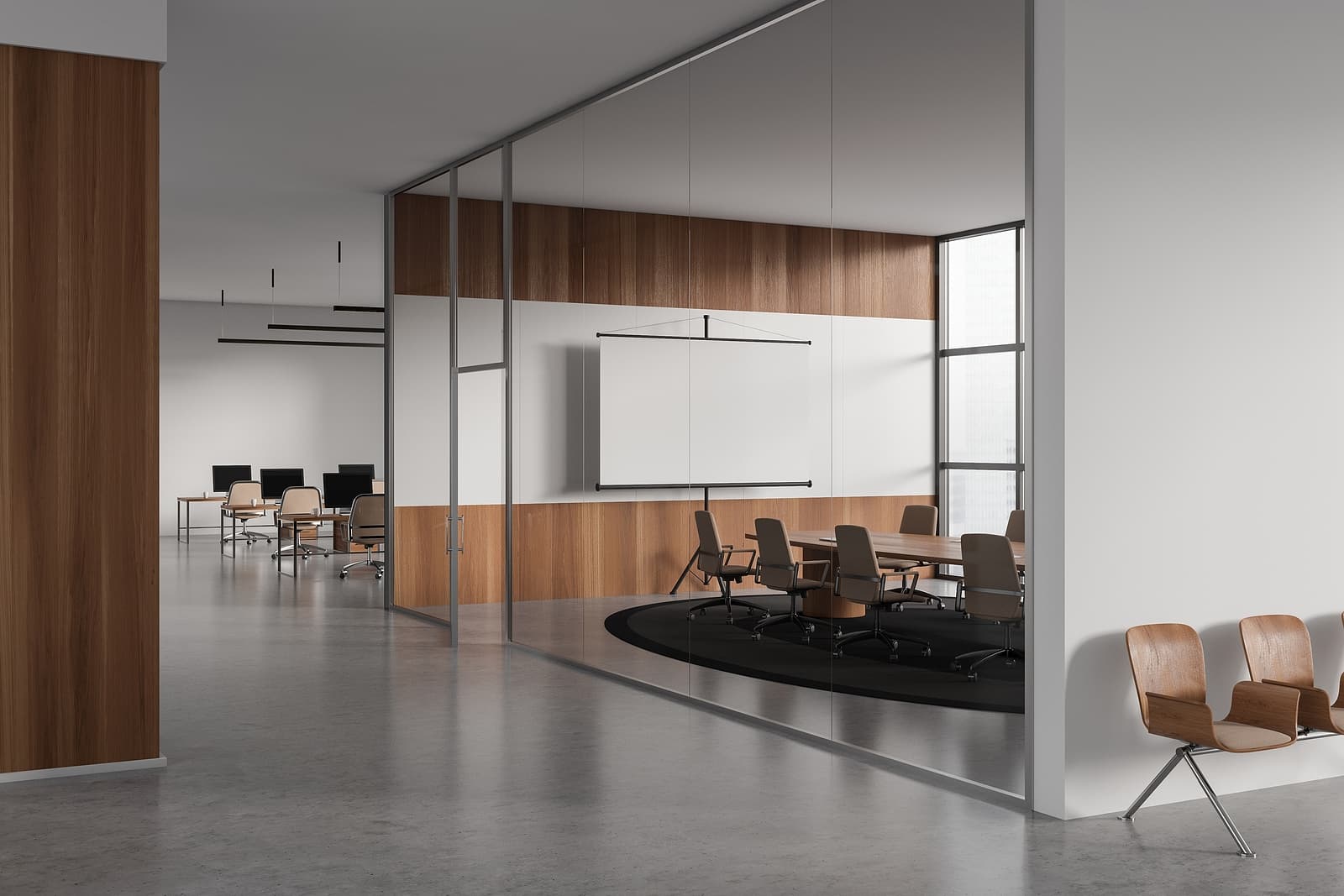
The push for sleek, minimalist, bright offices consisting of huge windows and glass partitions separating workstations and clusters of workstations are not only intended to be aesthetically pleasing but also help bring together very different types of workers.
This design, commonly found in so many modern offices, is the culmination of over a century of constant adjustments to the designs of offices to make them more pleasant places to work in, with design philosophies that shift as their flaws become evident.
In particular, this is the story of creating privacy and openness in the same setting, and how close designers got to the impossible using unique glass designs.
The Two Contradictions
To understand where glass fits into this equation, it is important to know the rather long journey the office embarked on to reach the two main types of office environment we have today, and the many attempts to bridge the two together.
The first type is the individual office, where people are divided, either through modular wall dividers or physical walls into a series of small offices intended for either a single person or a very small team.
Whilst management offices are still found in many buildings, having an office building made up entirely of individual offices is not commonly used,
The other type, known officially as open plan but often colloquially called a “bullpen”, is a much larger office arrangement which consists of a series of desks grouped in a single room, often used to group together large junior-level employees.
Often this is used in a somewhat Taylorist fashion to allow administration and office tasks to be completed similar to an assembly line.
Most office buildings use a combination of the two, but there are both very particular strengths and glaring weaknesses to both approaches.
Small individual offices provide a lot of privacy, but can often feel isolating, especially in older buildings where light management was not a primary factor. Finding other people to help with work tasks involves somewhat lengthy journeys to other individual offices.
Meanwhile, an open plan office allows for much greater cooperation, more spacious offices and allows teams to work together, but that often comes at the expense of privacy, and background noise is a constant issue for people who are working on more focussed tasks.
The first attempt at a compromise came with the Office Landscape or “Bürolandschaft”, an interactive “living” workspace with teams and processes more naturally structured together and curved screens to divide different workspaces.
This utopian idea would eventually mutate into the cubicle farm, a worst-of-both-worlds arrangement that managed to make workers feel isolated yet also crammed into large offices.
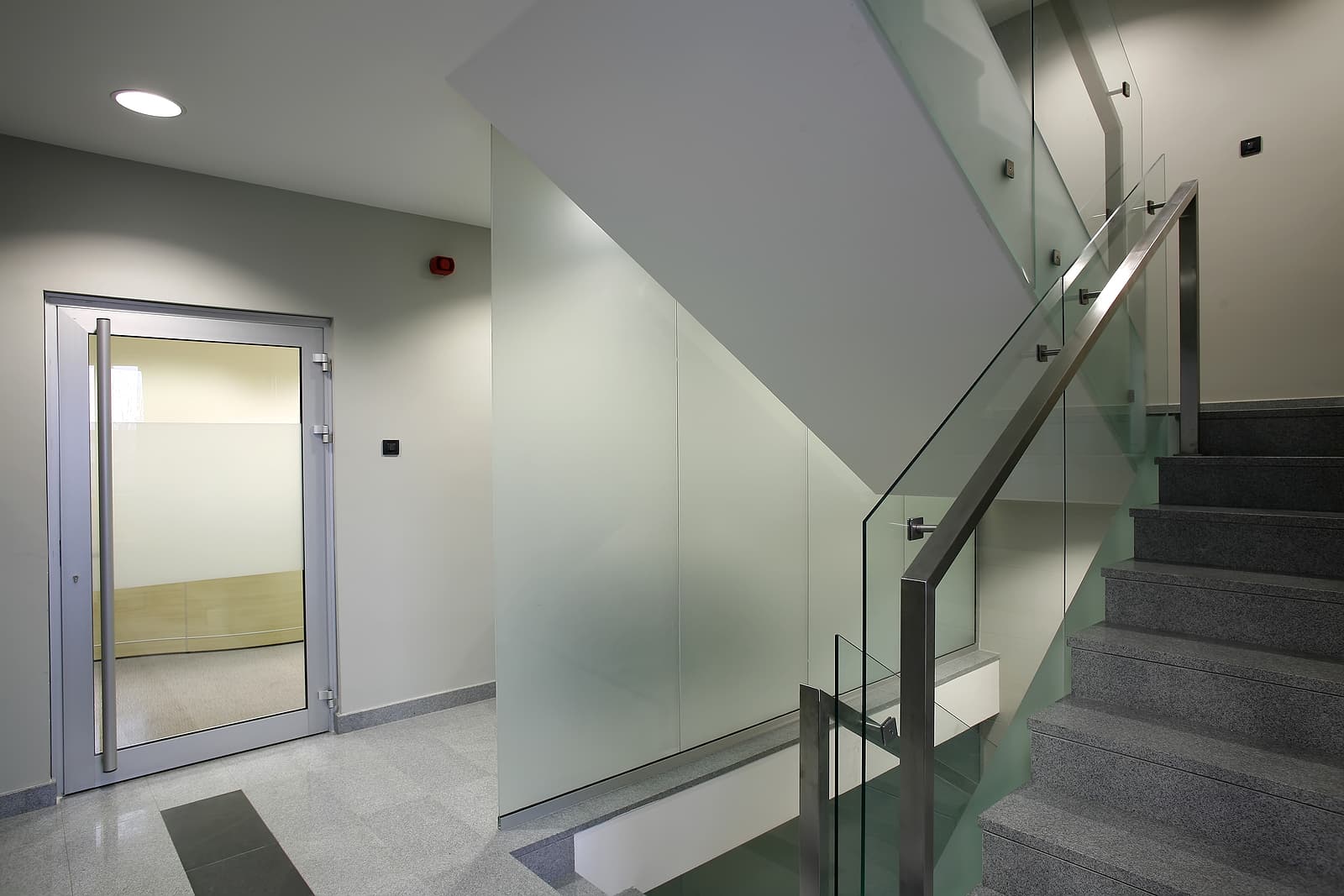
After the backlash against cubicles in the early 2000s, more measured attempts to create offices that were open and communicative and yet private were attempted, with a mix of glazed screens and glass office rooms managing to finally give businesses the compromise they needed.