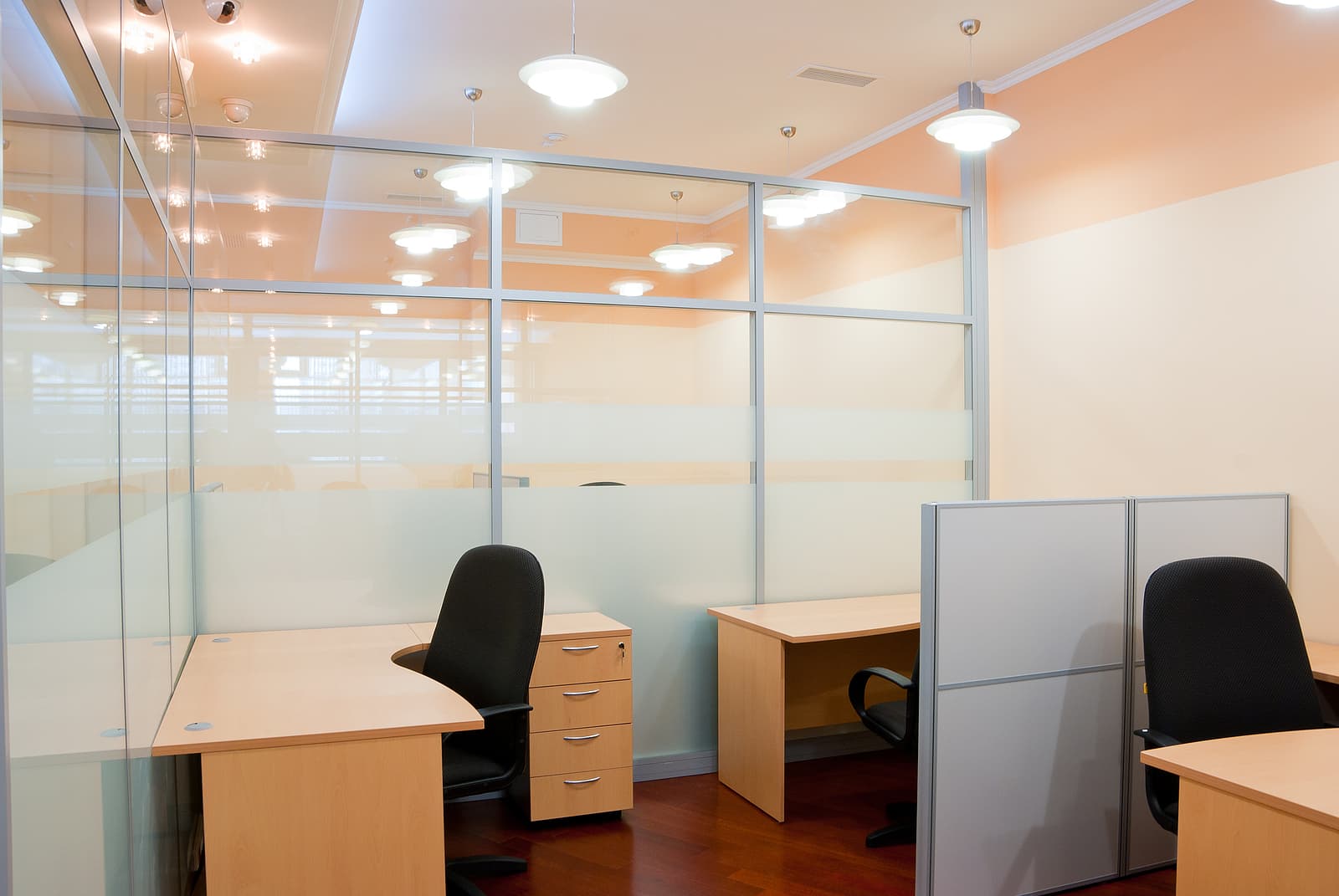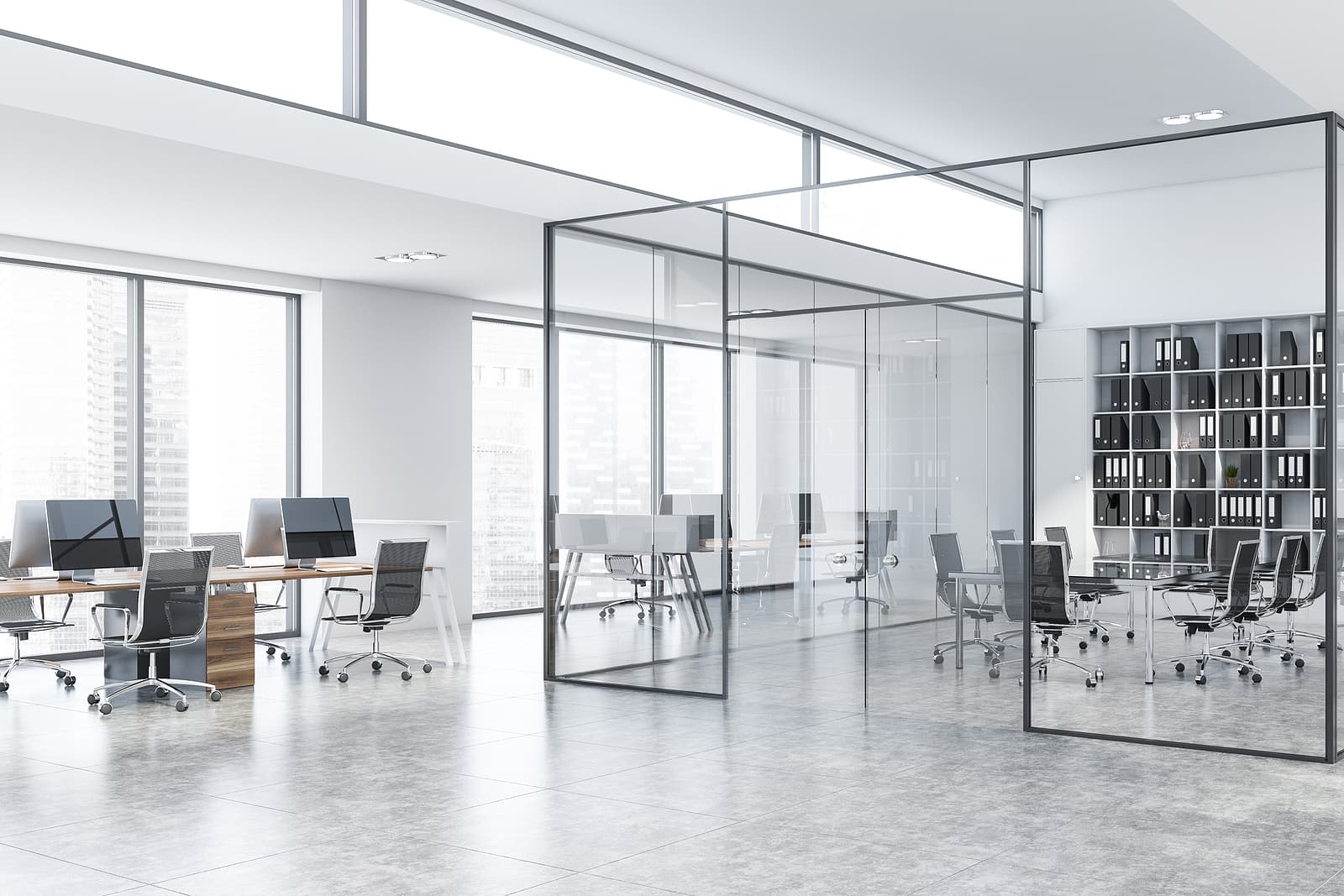
If you are fitting out a tall building, the extensive use of glass partitions and other glass to maximise natural light penetration can be invaluable in creating an optimal environment to work or live in.
The increased use of glass in modern buildings is evident to anyone who visits a nearby high street or even a modern housing development. This is not just about windows, for features such as glass balustrades, interior partitions and glass doors also have a role to play.
Each of these helps to promote natural light and improve visibility, as well as having attractive aesthetic qualities.
What Other Benefits Do Internal Glass Structures Offer?
In larger buildings, especially tall structures, there are some further significant benefits:
- Using advanced coatings, they can control heat transfer, reducing the need to use more energy for heating or cooling purposes
- The use of natural light is healthier for occupants as they get more vitamin D from direct sunlight
- Because structural glass is lighter than other building materials, it is easier to construct tall buildings
Of course, anyone who does walk past a building may only notice the external glass. Those who enter may see how much more glass is in use inside to bring the benefits mentioned above.
The internal and external glass work in combination, because the more light that can enter the building to begin with, the greater the benefits of having glass partitions and other features to allow it to filter through the building.
Why Are So Many New Skyscrapers Being Built In Britain?
In the UK, the use of internal glass may be seen in many buildings of various kinds, but the use in skyscrapers may be particularly noticeable to anyone who lives or works in one.
Recent years have seen a huge increase in the number of tall buildings in the UK, and this will continue to be the case, particularly in cities such as London and Manchester.
For example, the London Tall Buildings Survey 2025 revealed that:
- There were 64 applications in the planning system in 2024
- East London was set for the greatest growth, accounting for 39 per cent of applications
- Central London was next with 34 per cent
Although tighter planning laws passed in 2021 have reduced the number of applications being approved, some major developments are still taking place.
A start date of 2028 has been set for construction on the tallest tower in the City of London, which at 309.6 metres will be the joint highest building in the metropolis alongside The Shard.
Manchester has also seen dramatic growth, with a recent report by Barbour ABI stating that if all current planned and approved schemes go ahead, it will have the fourth highest number of tall buildings of any European city by 2030.
The growth of skyscrapers has been driven by a combination of increasing demand for office space, especially in central London, while east London and Manchester are driving high demand for homes.
Linked to this is the relative scarcity of land to build on, which necessitates building upwards, but also highlights a particular benefit of having glass interiors in taller buildings.
How Can Internal Glass Improve Natural Light At All Levels In Tall Buildings?
Lower floor levels in buildings constructed in very built-up urban areas will be more prone to seeing less natural light because of the blockage formed by nearby structures.
Planning law does restrict how much light can be lost by the building of another structure nearby. Homes should have just over half their light coming from natural means as a minimum, while for commercial buildings, it is about half.
However, that means curbing new buildings being constructed that could reduce natural light that an existing building has been enjoying for 20 years or longer. But if you build a structure in a place that is already shaded, this ‘right to light’ is not applicable.
Consequently, any new structure should have steps taken to maximise the light that can get through to its lower floors.
Nonetheless, it still follows that the higher any floor in a building is, the less other structures around it can obstruct natural light. On higher floors in the tallest buildings in a city, there may be no obstruction at all in any direction.
This means that whether your project involves developing high-rise apartments, new office space, or other uses such as a hotel, the benefits of more light will be highly abundant on the upper floors.
In conclusion, this means that by using lots of internal glass, you can make the most of whatever amount of light your building receives at every level.
That will mean making the best of a bad job on lower floors when adjacent buildings are restricting the light, while maximising the benefits of a lack of obstructions higher up.