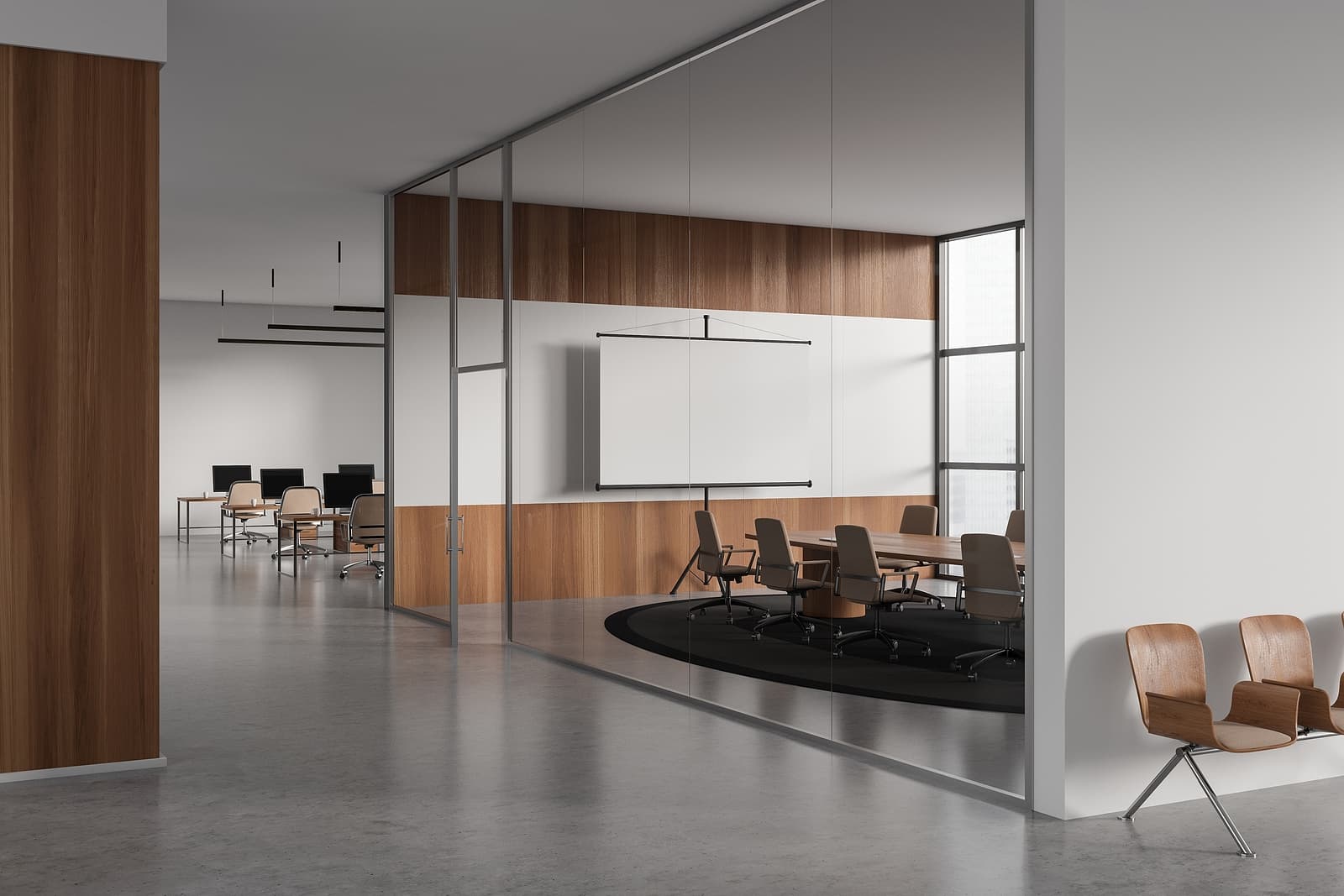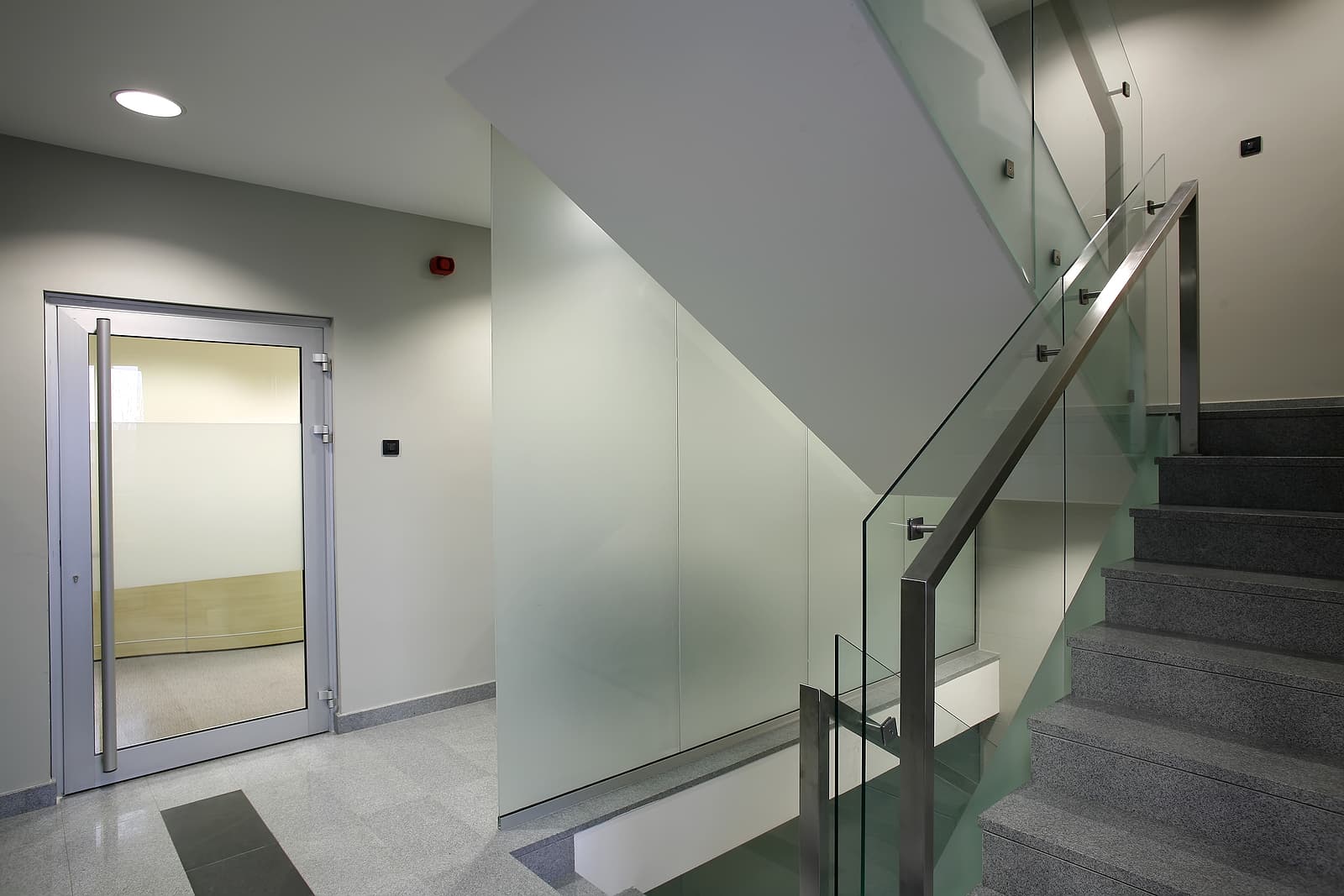
What often surprises people who do not regularly work with structural glass is how strong the material is, and how its shattering is generally the exception rather than the norm when installed properly in glass staircases, balustrades and partitions.
Even when it does happen, as was recently seen when an umbrella’s sharp tip inadvertently cracked one of the panes of a glass bridge over the Baoquan Cliff in China, the triple-laminated toughened safety glass used meant that only the top layer broke and its structural capacity was uncompromised.
One concern that people have had regarding spontaneous glass breakage is not necessarily because it is common but instead because it is sudden, shocking and does not seem to have an overt cause when it does happen.
In order to help ease concerns, here is a brief explanation of why it happens, why it almost never happens and how you can minimise its chances and effects by working with structural glass specialists on your next project.
Why Does Glass Spontaneously Shatter?
Structural glass shatters because of the unique qualities of tempered glass, the strong safety glass used for a variety of different purposes, including as part of walk-on glass floors, staircases and balustrades.
Tempered glass is typically created by rapidly heating and cooling a sheet of glass evenly, which creates an even balance of compressive stresses on the outside of the glass and tensile stress inside it.
This equilibrium means that a sheet of safety glass is exceptionally strong as long as those forces remain equal. If something disturbs this equilibrium, it can cause the forces to violently shatter the glass into small pieces.
This process is often used deliberately when making safety glass for cars; if a car ends up on its roof, the rear windscreen either shatters by itself or can be broken with a sharp hammer.
Spontaneous glass shattering is caused when external or environmental forces cause the glass to shatter, rather than a strong enough impact or a physical compressive force.
Thermal Stress
Whilst it is almost impossible to notice, glass expands and contracts due to imperceptible changes in temperature.
Usually, this is not a problem because the whole pane expands at the same rate, ensuring that the stresses remain equally distributed and the glass remains strong.
However, if different parts of the glass expand and contract at different rates, or the edge of the glass expands at a different rate to the centre, the stresses can overwhelm the innate strength of the glass and cause it to spontaneously shatter.
This is rare, but typically happens when a piece of glass is simultaneously exposed to intense sunlight and shade at the same time, where part of a glass structure is colder than the ambient temperature, and the other part is hotter.
This causes the stresses to develop at uneven rates, which eventually leads it to shatter.
The best way to avoid this is through clever design of the room, ensuring that the unlikely temperature disparities required to create a thermal shock are not there.
Edge Damage
Even the strongest glass has weak points at its edges, which is why tempered glass is typically created to order rather than being made and cut separately.
You cannot drill into or cut tempered glass without causing it to shatter, and even intense vibrations nearby can potentially cause it to break if you are not careful.
Similarly, damage to the edge of the glass can cause the entire pane to shatter, which is one of the reasons why many structural glass structures have additional frames or layers that help keep the glass safe.
As this damage can accumulate, the best way to avoid the issue is to be careful during the installation process to ensure that glass panes are secure, that there are no nicks and chips, and that non-abrasive cleaning methods are used to clean the glass.
As well as this, most tempered glass is also laminated, which not only makes it even stronger and ensures that a shattered pane stays in one piece, but also provides an additional layer of protection against edge damage.
Frame-Related Damage
The frame of a structural glass installation such as a partition or balustrade is also very important, as it needs to be strong and secure enough to stop the glass from becoming unstable as it expands and contracts, but it also needs to avoid causing contact with metal or abrasive surfaces.
The wrong type of frame can cause damage to the edge of the glass, which creates stresses that can ultimately overwhelm its tempered strength and cause it to shatter.