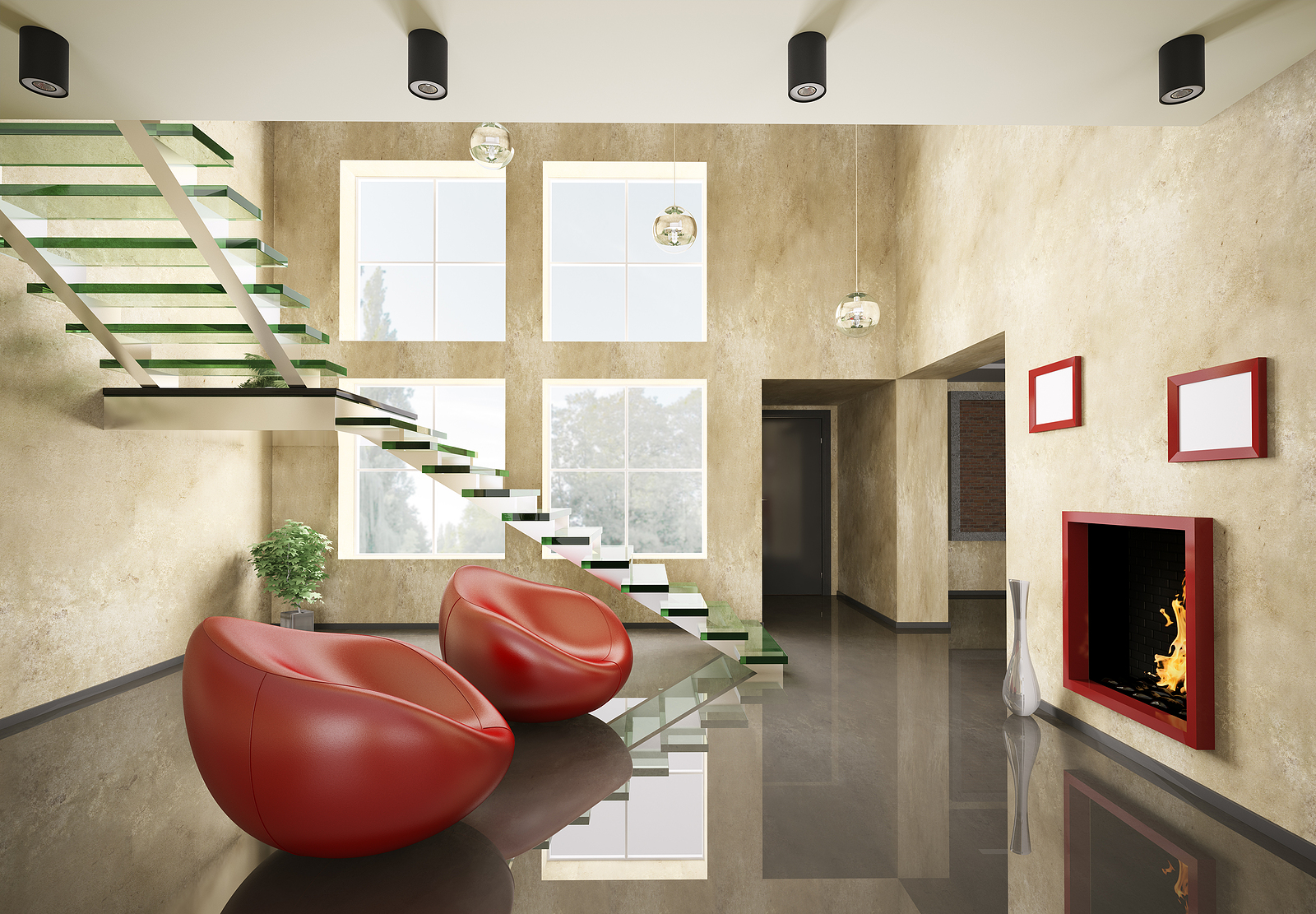
It is difficult to find a modern office where glass partitions are not used, and they have increasingly become a staple in modern architecture and interior design.
In the case of the former, glass, alongside steel and concrete, forms the three key pillars of the modern world, whilst the latter allows for much greater light penetration and daylighting capabilities in buildings than was previously thought possible.
However, one issue with glass partitions is that they can sometimes create a sterile-feeling aesthetic, and whilst that is not necessarily a negative if you are aiming for a clean, professional look for your brand, it can be a problem if you want the practical benefits in a more biophilic setting.
You certainly can have significant amounts of glazing whilst retaining a more personable feel, but doing so requires some intentionality. Here are some of our top tips.
Choose The Right Type Of Glass
Thankfully, not all glass is the same, and opting for a frosted or textured glass helps provide a more organic finish to your home.
You still get the increased light levels that you need, but you have a chance to play with that light far more, creating shadows and patterns that change as the sun moves through the sky.
They also provide more privacy, which is why frosted glass finishes have become the norm for glass partitions; they avoid the panopticon effect of always feeling on display and observed.
As well as this, tinted glass can help add a cosier aesthetic, adding an unusual rich texture to the light and making the glass material itself feel less sterile.
Surround Glass With Natural Textures
Wood is your friend when it comes to glass-based interior design. Wooden tones are inherently warm, and they add biophilic textures and grains that provide the optimal counterpoint to cool glass.
The more natural textures you provide as a contrast to your glass, the warmer it will feel by contrast. Wood is also on trend as a more structural material, so you can often get beautiful wooden frames for your partitions for an additional rustic finish.
If you want to use wood more sparingly in your home, any natural texture works just as well. Natural stone, exposed terracotta brick, natural textiles and soft furnishings of various textures and colours all work perfectly.
The best part about natural textures is that they fix the issue glass sometimes has with sound reflection; soft furnishings, carpets and rugs dampen and absorb sounds, reducing that echoing sound and making a room feel distinctly cosier.
Avoid The Monochrome Trap
Because glass is neutral unless you tint it, there is a temptation to lean into that clear, neutral look with monochrome shades. Many offices opt for white walls with splashes of black and polished metal to go along with the many glass partitions.
This is a mistake if you want to make a welcoming and cosy environment. Glass partitions accentuate that cold neutrality and give almost any room the intimidating look of an empty art gallery.
In some professional settings this may be desirable (and anathema in others), but for homes it can be imposing and more off-putting than you might expect.
Instead, opt for warmer accent colours, such as terracotta (hence why exposed brick and glass go so well), sage, a mild mustard or even a warm blue. Glass partitions help to make these colours feel more inviting, and by contrast, the colours make glass partitions feel more cosy.
If you must have a neutral design aesthetic, opt for warm off-white neutral shades. Cream, beige and taupe will have a remarkable effect and provide a much warmer finish. As well as this, adding natural textures and shades becomes even more vital to provide an inviting look.
Deploy Lighting Strategically
One major benefit of glass partitioning is that you need less artificial light to keep a room warm, but a lot of the make-or-break elements of your glass-based interior design rely on how effectively you use lighting to enhance the strengths of the glass whilst hiding its weaknesses.
Glass is amazing at making a space feel open and bright, and the best way to make the most of that is through selective use of various layered lighting options.
You should not overly rely on your overhead lights, but instead use floor lamps, ambient lights and accents to create a complete tapestry of lighting effects.
As well as this, use warm-toned light bulbs rather than those with a colder colour temperature, as this simple change can transform a room from oppressive to relaxed.

