Could Glass Be Used To Generate Power?
Over the past few years, a lot of larger buildings have been affected by three main issues, all of which could potentially be solved by a combination of innovative technology and glazing specialists to fit it.
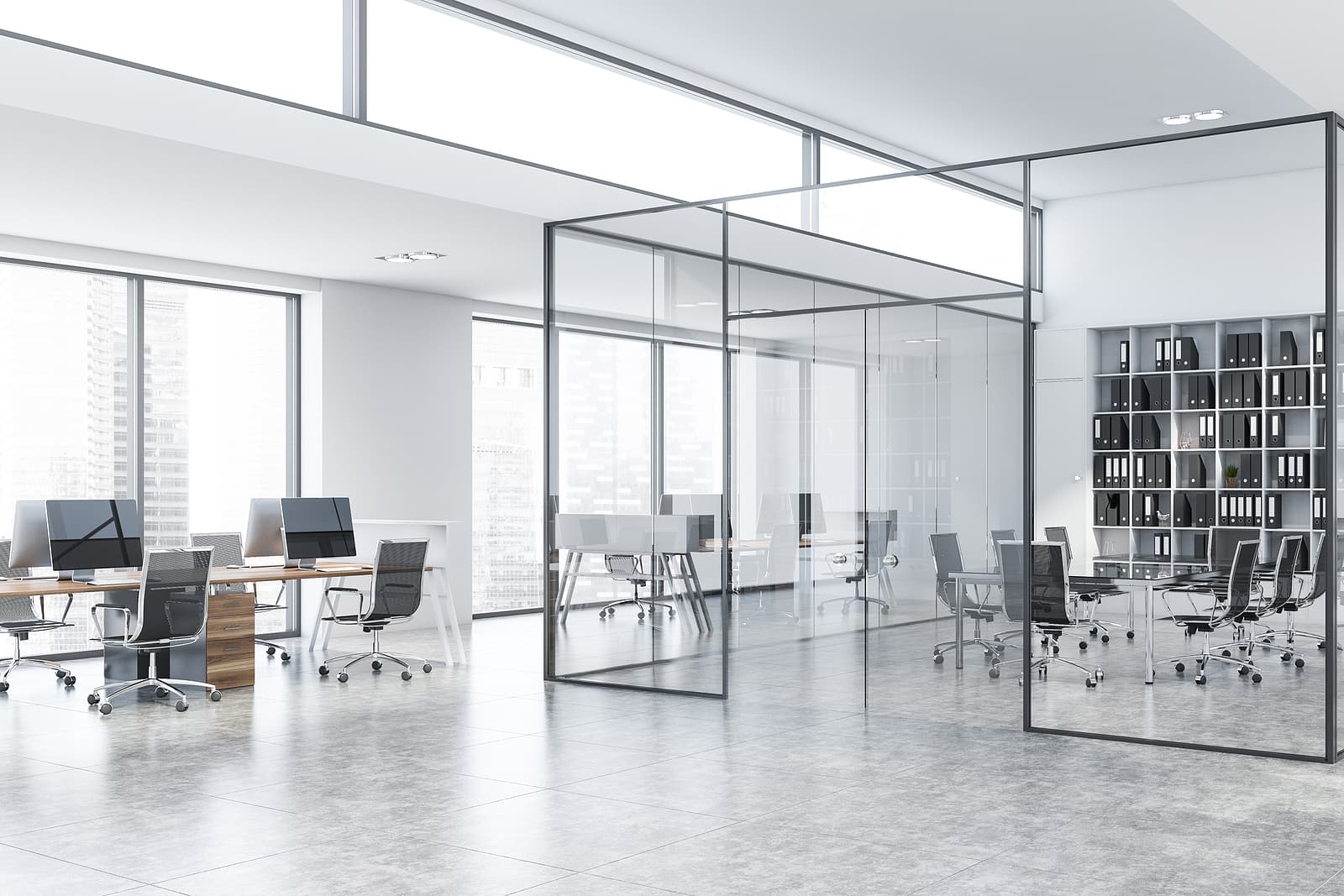
A huge number of new buildings have predominantly glazed facades, something that has helped to spur innovation in structural glass technology in order to meet greater and ever-more ambitious demands.
Many of these new larger projects have at least one sun-facing side, which means that during warmer days when the sun is shining brightly, the internal temperature of said building can increase exponentially, increasing electricity demand to power air conditioning systems to compensate.
This, combined with significant increases in energy bills, has created a dilemma for many businesses and retail establishments, but is there a technological solution that could solve all of these issues at once?
Enter the solar window, a transparent solar panel that allows light through like any other window, but absorbs infrared and ultraviolet light that cannot otherwise be seen, and much like a conventional photovoltaic cell converts that energy into electricity.
This would turn a glazed building into a source of power, which could meet not only the needs of the building itself but potentially provide power for the National Grid as a whole depending on the power requirements of a particular business.
They would be available either as complete window sets or as a type of UV film that can be affixed to existing windows either in a semi-transparent form akin to anti-glare film currently available or as a completely transparent product.
At present, several companies are preparing to ramp up production, previously only available at trial levels, with the aim of reaching mass-production levels by the end of 2024.
In any case, it remains a fascinating look into and indeed through the future of glazing.