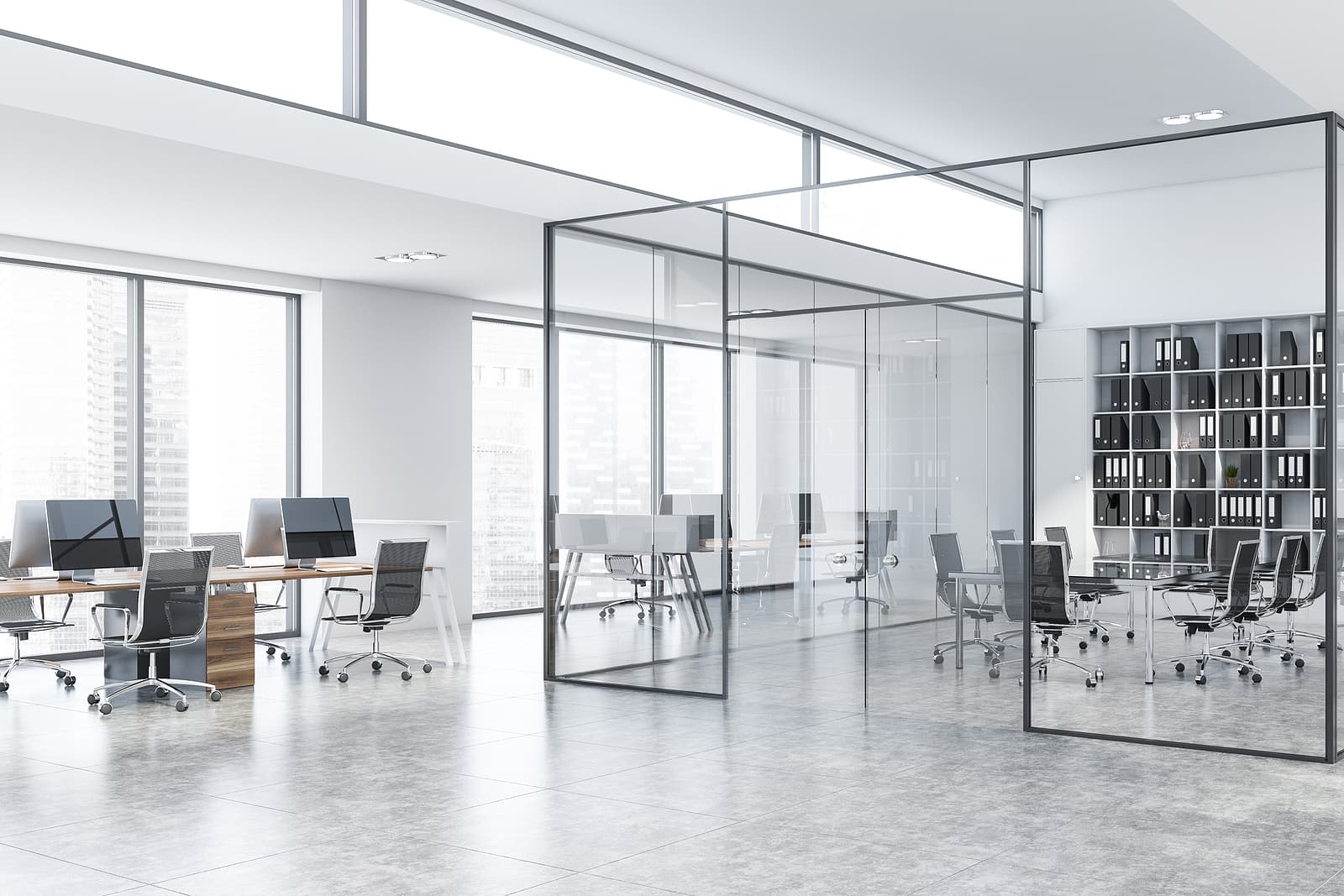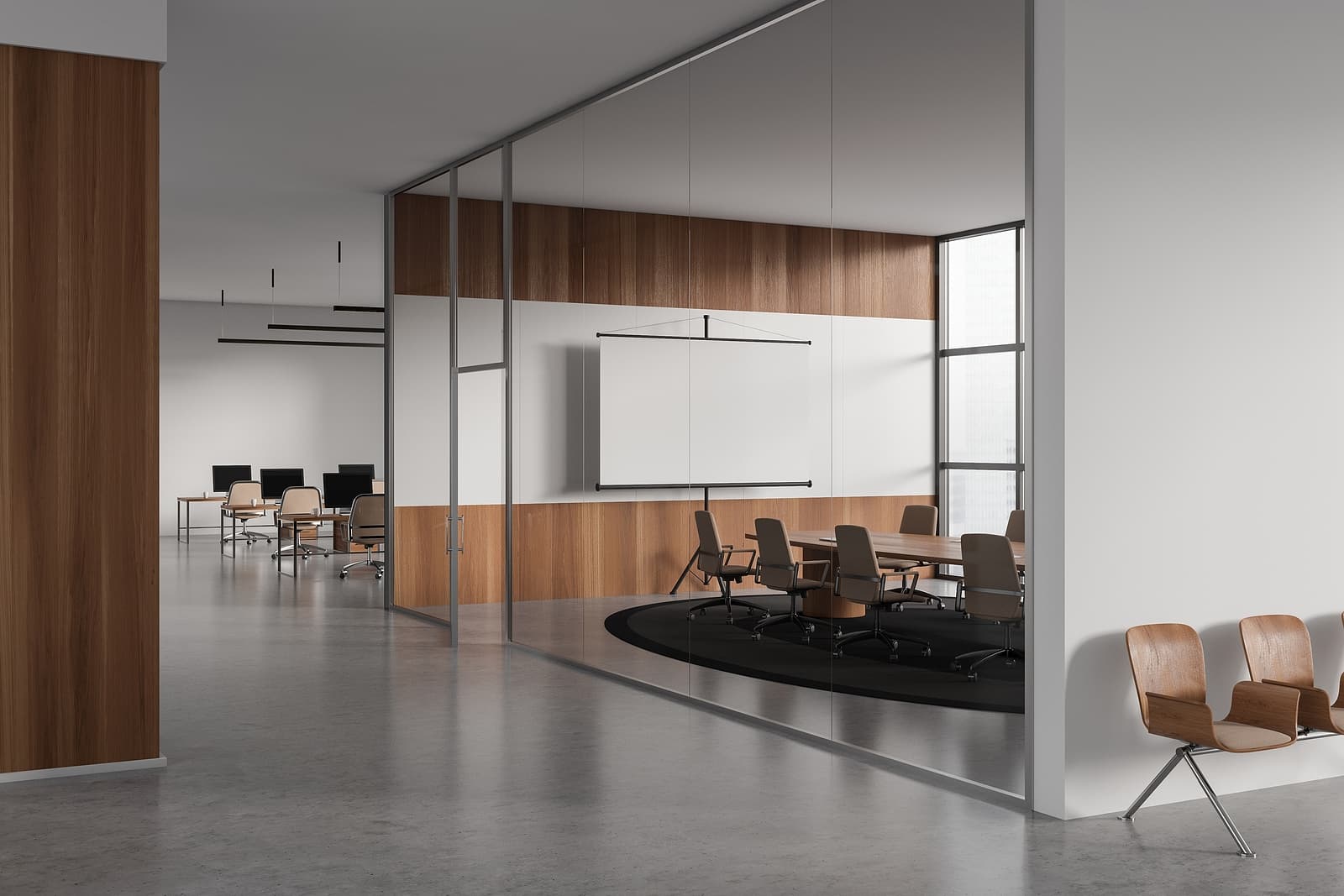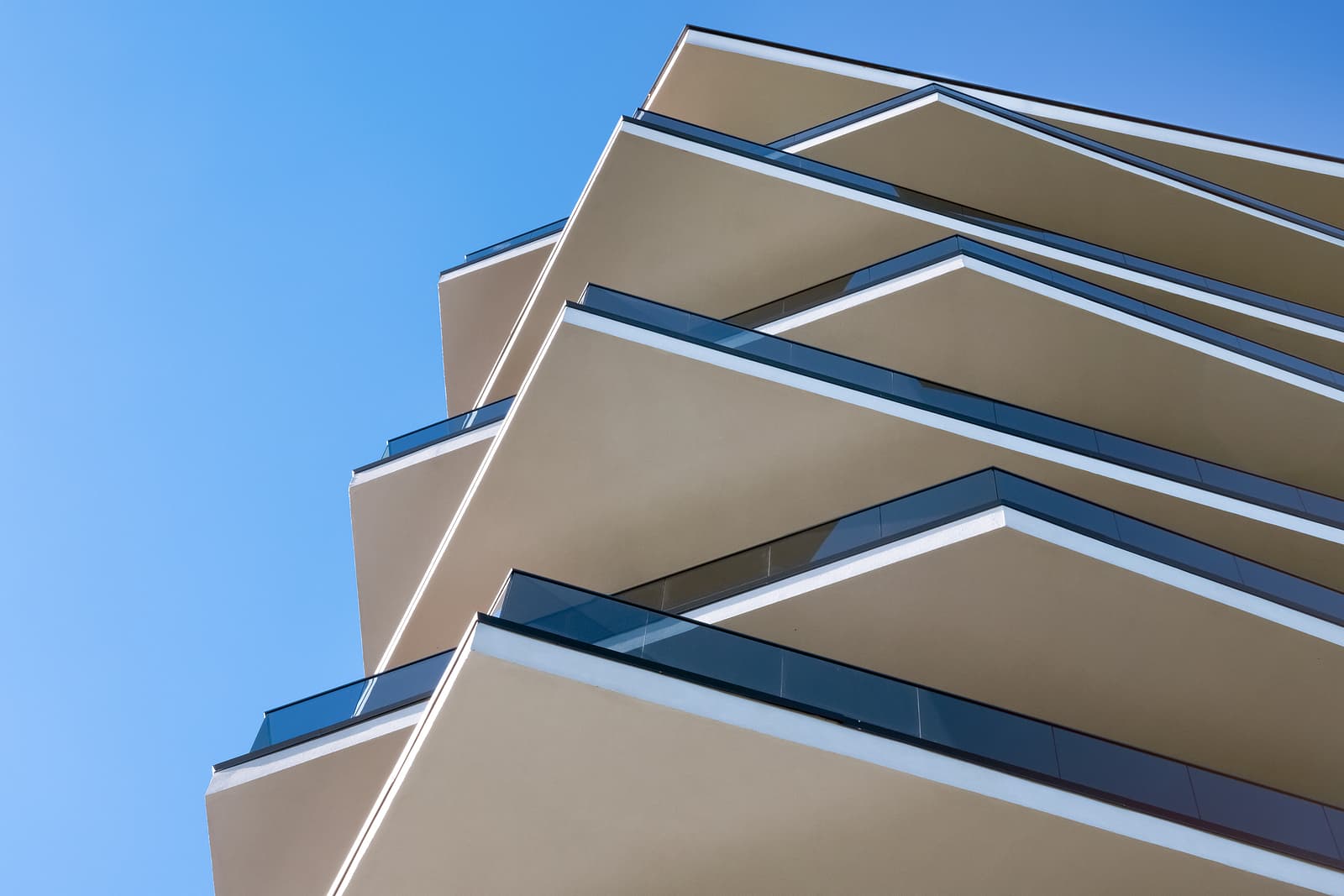
The use of glass balustrades, either on balconies or inside a building, aids the flow of natural light. This is a key point to note at a time when facilitating light has become such a priority in modern building design that it will be the subject of an upcoming architectural conference.
Organised by trade magazine Architects’ Journal, Daylight in Architecture will take place at The Barbican Centre in central London on October 14th, with the event proving so popular that tickets have now sold out.
What Will The Message Of The Daylight In Architecture Event Be?
Aimed at highlighting how architects, developers and interior designers can do more to bring natural daylight into residential buildings, the event will feature talks discussing issues such as:
- Understanding the benefits of extra light
- The technical challenges of designing with this in mind
- How designing to bring extra light into homes can be achieved in extensions, interiors and “circulation spaces”
- The broader role of natural light in architecture
- A panel discussion on recent projects and how they have brought more natural light into homes
While this event will discuss all manner of factors relevant to architectural design in the quest to fill homes with more natural light, it should not require attendance at this occasion to understand that achieving this goal is not just about bigger windows and a few skylights.
Although external glass is the most crucial and obvious means by which natural light can enter a building from outside, this may be of little use beyond the areas closest to the windows if there are various barriers to the further internal dissemination of light.
What Can Internal Balustrades Do To Help Spread Natural Light?
This is where glass balustrades can come in, alongside other glass features such as internal doors.
Wherever there is a wall, even one that only rises to chest height and not from the floor to the ceiling, some light is lost and a shadow is cast.
These points were highlighted by the UK Construction Blog, which noted just how important internal glass is for spreading light through a building and the role that balustrades can play in it.
It stated: “They provide safety and structure without visually closing a space off. Where timber spindles, solid half walls, or heavy metal railings can interrupt sightlines and absorb light, glass tends to do the opposite.”
This may also hint at a couple of significant points about the use of glass balustrades. Firstly, one of the places where these may be most visible is on the outside of buildings, such as on balconies outside apartments.
Apart from the aesthetics, one must consider the extra role they can play in ensuring natural light is not blocked off, as they enable it to reach the windows beyond and enter the building.
However, it might also be assumed that this is their only role. That is not the case and the fact is that they can be just as useful inside or outside in helping natural light to filter through into the interiors of buildings, illuminating places that would otherwise be in shadow.
Secondly, the article notes that the benefits of extra light that internal balustrades bring are a reason that they are now a “defining feature in modern residential and commercial design”. This emphasises that internal balustrades are not just for offices or civic buildings.
Why Are Balustrades Not Just For Larger Residential Buildings?
The latter point may be extended to single-family homes as well as larger buildings such as apartment blocks, where there would be more balconies and therefore some very obvious places to put balustrades. They can also work effectively at the top of a landing in a house.
Homes are where the fashion has been for increased open-plan living in recent years. However, the article argues, even this is not enough; to achieve the true benefits of light, with a sense of space and airiness, other light-blocking obstacles need to go.
It highlighted examples of this as including:
- Staircases in “compact” homes
- Mezzanines in loft homes
- Balconies
- Gardens and patios
In each of these cases, the walls, fences or bannisters may keep out light that can be enjoyed with the benefits of a glass balustrade.
The audience at the Barbican is also likely to hear about and discuss the role that measures such as internal glass can play in making homes lighter.
Windows and skylights can let the daylight in, but without glass balustrades and other means of ensuring light can pass through where there might otherwise be an impermeable barrier, their benefits will be squandered.