The use of glass in construction has been highly evident in recent years. As several UK cities witness a plethora of new skyscrapers, new railway stations are built and many existing buildings are modified, glass is a very notable feature.
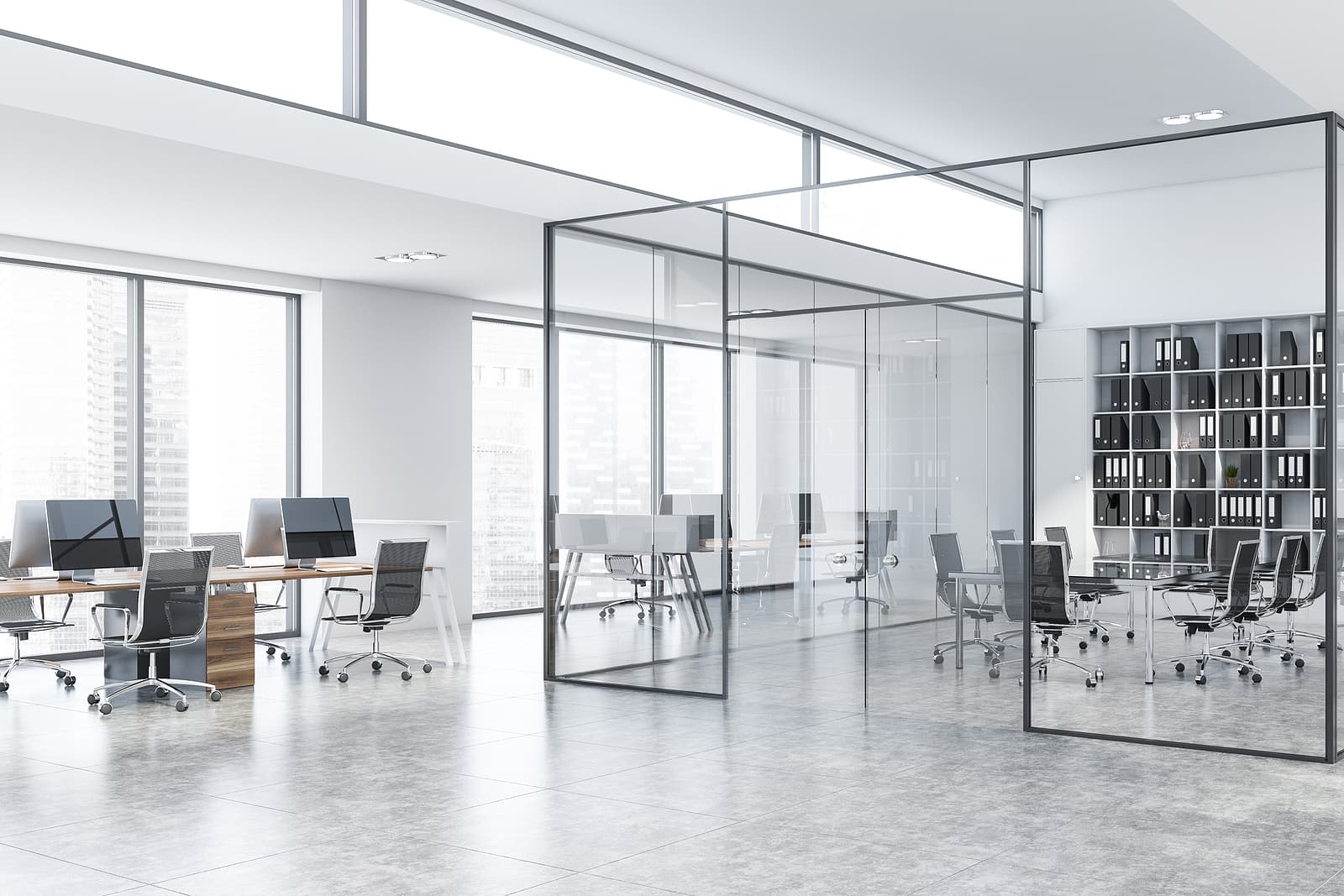
Anyone passing outside might only notice the structural glass and curtain walls of the exterior. But glass is just as important inside, with such buildings commonly featuring glass partitions, balustrades and staircases.
The reason is not some fixation with one material or just the latest architectural fashion. Glass offers the opportunity to allow a lot more natural light into a building. Adding internal glass features prevents the extra light entering from outside from being squandered.
Furthermore, glass enables people using the building to see more clearly from one part of the building to another, aiding navigation.
This can be as useful for someone trying to find another part of an office as it can be when trying to find the right platform at a railway station, as well as creating a welcome sense of spaciousness and a more welcoming and friendly ambience.
Further benefits come from glass being a light material, which is especially useful when constructing tall buildings, but a structure does not have to be a skyscraper to benefit, especially when the internal glass offers benefits on any floor from ground level upwards.
Why Is Retrofitting Important In Contemporary Architecture?
However, the extensive use of both internal and external glass is not the only notable trend in architecture just now. In recent years, there has been a major focus on reusing and extending existing buildings instead of demolishing them and rebuilding from scratch.
The benefits of retrofitting instead of rebuilding are extensive:
- It reduces the carbon footprint of the process of developing a building
- It allows the focus to be placed on making an existing building greener
- More materials can be recycled
- The ‘new’ building can be ready for use sooner
- Retrofitting is treated more favourably in the planning process than demolition and rebuilding
Given the prominence of these two trends in architecture, an obvious question arises: How well will a building dominated by glass adjust to a retrofit or major change of use?
How Versatile Did The Stockport Pyramid Prove To Be?
There is one case that suggests the answer is “very well indeed”, even though the change has been quite drastic.
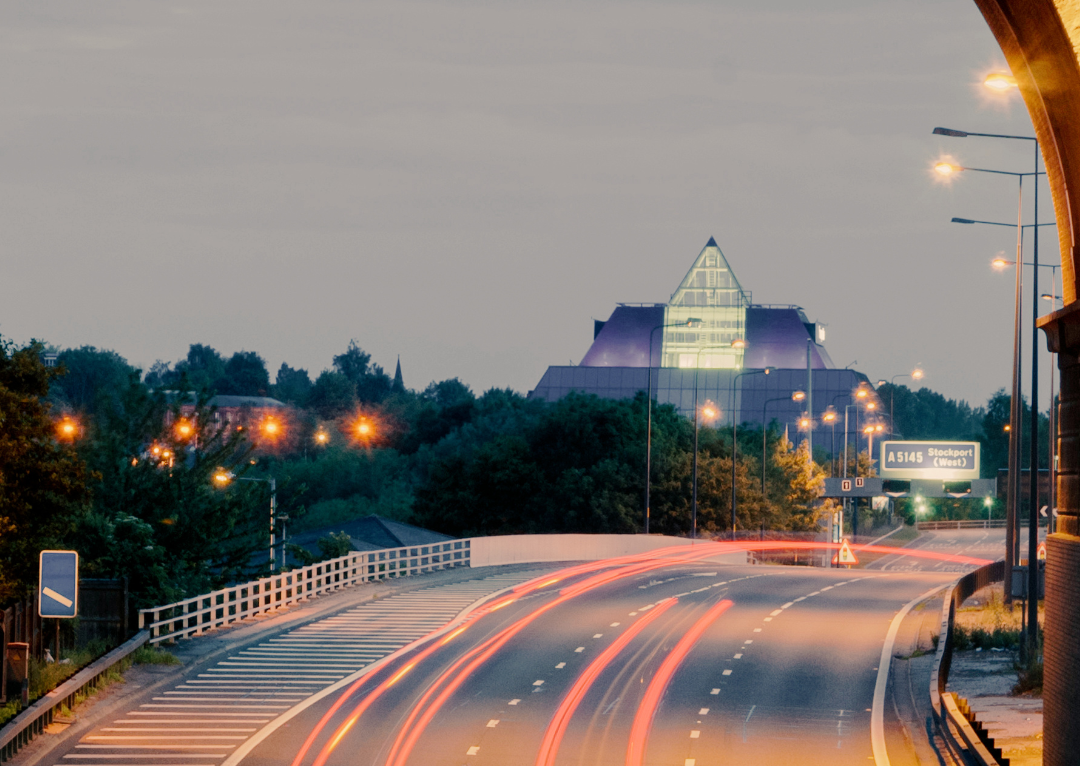
Any visitor to Stockport cannot fail to notice the glass pyramid just west of the town centre, which was built in 1987. Originally planned to be one of four, it stood alone as the early 1990s recession led to plans to build the others being shelved.
Designed to be an office building, it was then occupied by the Co-operative Bank and used for many years as a call centre and a base for its internet bank Smile. With 86,000 sq ft of space over four floors, it had room for up to 1,600 staff.
However, the call centre subsequently closed as the bank went through its own financial crisis and it ceased using the building entirely in 2019, leaving it empty.
Initially, no new users came forward, not helped by the pandemic and the new trend for people to spend less time working in offices.
However, it was to find a dramatically different use as the largest curry restaurant in the world. It was taken over by Nawaab, an operation that was moving out of its previous south Manchester premises (itself a retrofit of an old bowling alley), and opened in April 2025.
How Did The Pyramid Change From A Bank To A Giant Curry Restaurant?
The transformation was both dramatic and limited. On the one hand, it involved installing large kitchen areas where once there was office floor space, while reconfiguring some walls and doors as the layout was changed, especially on the ground floor.
However, it retained the extensive use of internal glass partitions that had characterised the building in its call centre days, as well as keeping glass balustrades around the interior balconies and installing a new staircase with additional glass.
The transformation of the building was featured in a recent Channel 4 documentary, highlighting the fact that it serves up to 10,000 people a week and hosts multiple wedding receptions and other events every weekend.
Although these numbers are impressive and a story in their own right, the sheer fact that a building so dominated by glass inside and out can have had two very different uses in its working lifetime demonstrates the versatility of such developments.
This means any building owner looking to install more internal glass for all the beneficial reasons listed above can do so in the knowledge that the layout they create will be very useful to whoever occupies the building, even if the use changes in an unexpected way.