There is a great deal of research supporting the benefits of introducing more natural light into our workplaces. The benefits aren’t only personal in terms of improving our moods as individuals.
Natural light can improve our productivity, which means there are very good reasons for businesses to explore ways of introducing more natural light into their workspaces, like office environments.
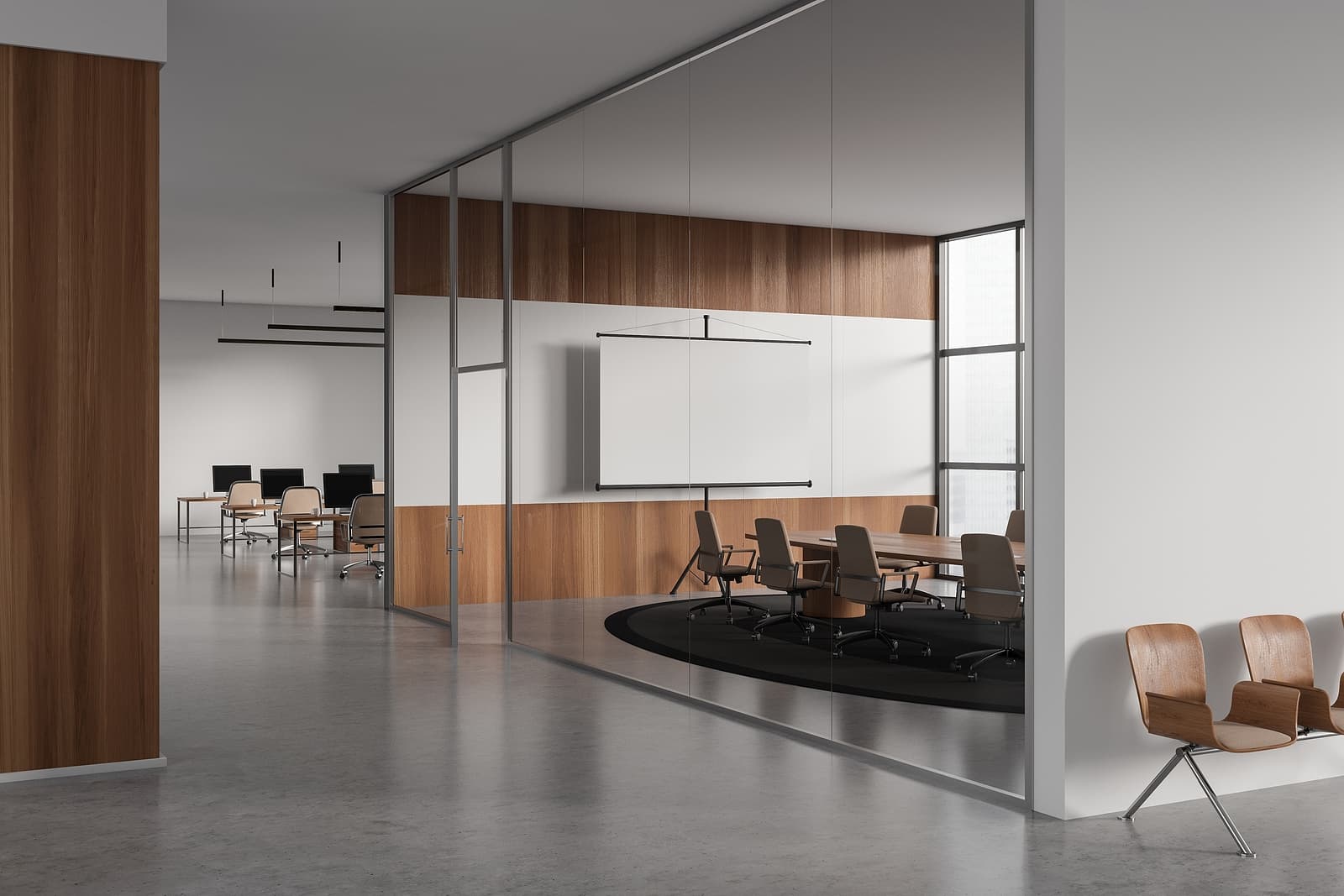
This is one of the reasons why glass partitions have become a popular choice in larger office spaces.
These forms of dividers provide a way to break up a large space into smaller, more usable areas, all without preventing light from reaching certain areas of the office.
But it isn’t enough to simply choose office glass partitions for your workspace. You also need to decide what kind of partitions you’ll install. One of the main decisions you’ll need to make is whether you want single or double-glazed glass partitions.
What are the benefits of single-glazed office partitions?
One of the biggest benefits of single-glazed office partitions over their double-glazed counterparts is their cost.
Single glazing is more affordable than double glazing for obvious reasons, so if you are seeking a cost-effective way to divide your office without limiting the light that enters the whole space, single-glazed office partitions are certainly a good option.
Because single glazing comes in varying thicknesses, you don’t necessarily have to compromise on acoustic performance either.
You can get noise cancellation of up to 39 decibels if you choose 12.8mm acoustic laminated glass for instance. This is considered to be at the lower end of normal room noise and is similar to the level of noise cancellation you get from a standard stud wall partition.
While this isn’t at the same level of noise cancellation that double glazing offers, it is enough to offer a degree of privacy.
What are the benefits of double-glazed office partitions?
If you’re seeking office partitions that are able to cancel more noise and potentially offer great privacy, double glazing is the way to go.
At the upper end of the spectrum, with 16.8+ 12.8 acoustic laminated glass, you can get noise reduction of up to 53 decibels.
This can be valuable if you need privacy in private offices to hold sensitive conversations, for example, or if you want to ensure the noise from a meeting room doesn’t distract those working elsewhere in the office.
A further benefit of double-glazed office partitions is their thermal efficiency. This simply means they can be more effective at regulating the temperature of the different parts of your office as heat doesn’t escape through them in the same way it does with single glazing.
The minimum temperature your workplace can be under law is 16 degrees C (or 13 degrees C if your work involves a lot of physical activity). While there is no upper temperature limit, you obviously want to ensure everyone in your team is comfortable while they’re in the office.
Double glazing provides improved energy efficiency and insulation, which means it’s easier to keep each part of your office at the right temperature for your employees to work comfortably.
Are there any other kinds of glass partitions you could choose?
While either single or double glazed partitions are suitable for many office environments, there are other specialist types of glazing available to help you divide up your office space.
For instance, fire glass acts not only as a divider but also as a fire safety device, because this glazing is designed to withstand high temperatures. Its construction also means that it provides enhanced acoustic ratings of up to 62 decibels of noise reduction.
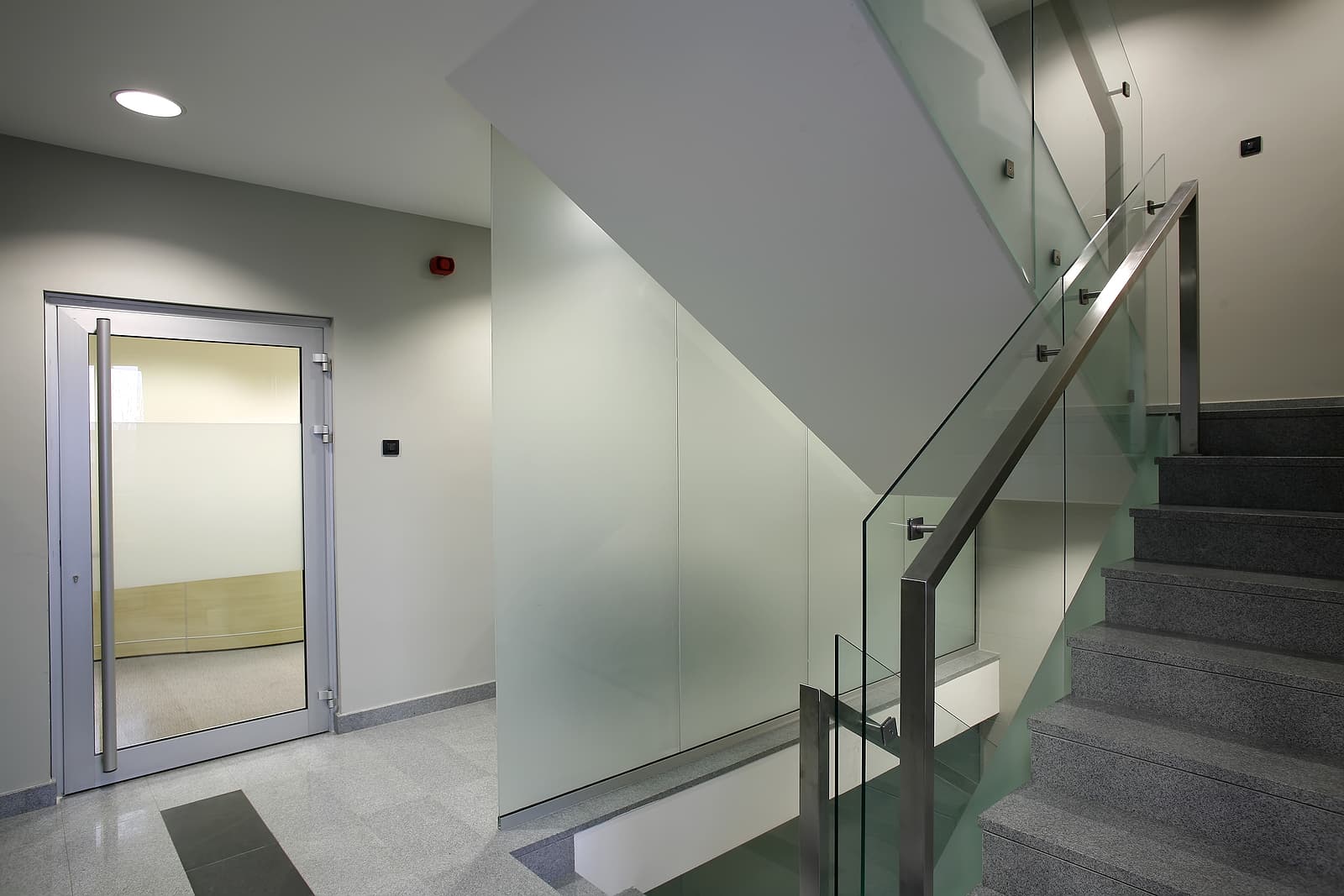
Meanwhile, both single and double-glazed glass partitions can come in different colours, as well as have tinting or frosting to introduce privacy where needed without entirely removing the light that filters through the space.
Why choose glass partitions over other options?
Whatever kind of glass office partitions you choose, they are often superior to other options like stud walls not only in terms of their appearance, but also due to the fact that tey reduce energy consumption.
The more natural light can enter a space, the less your employees need to rely on artificial lighting.
What’s more, open-plan offices that are divided by glass partitions can improve collaboration and communication between teams as everyone feels connected, even when they’re working in separate spaces.
This helps reduce feelings of isolation, as everyone can see others working around them, even if they are in different areas of the office. It can also be a good way to maintain what feels like an open-plan office space without some of the drawbacks this style of working entails.