For modern offices or to add a unique touch to your home, glass staircases are a signature, hardwearing feature that can add a major touch of luxury to any room they are installed in.
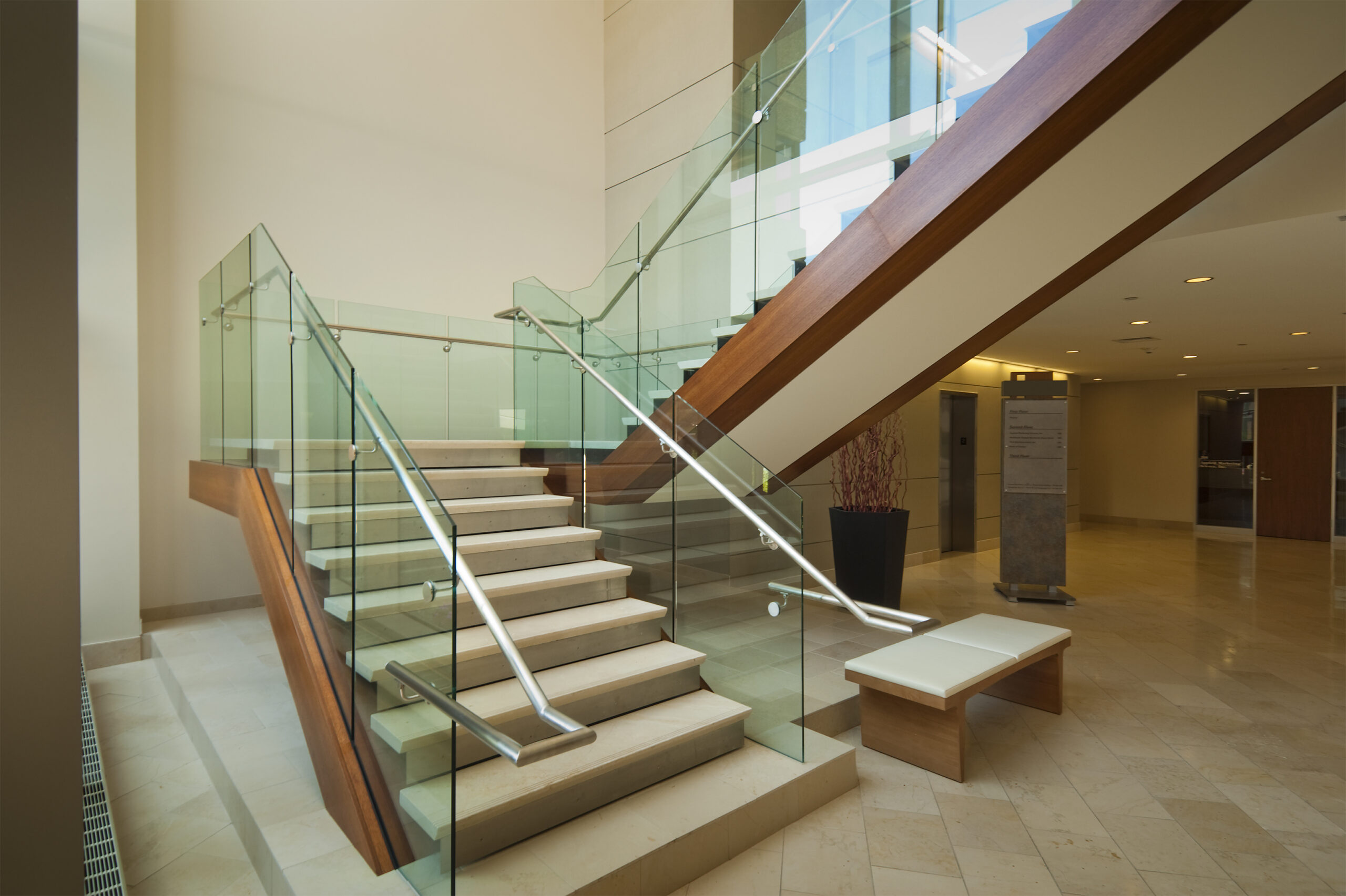
Unlike conventional staircase designs, which tend to be quite opaque and restrictive, the transparent nature of glass staircases allows the space around them to be used more creatively, whilst maintaining that exceptional strength and longevity you expect from your staircase.
However, as with other structural glass elements such as balustrades and walk-on floors, there is a remarkable and somewhat ironic level of mystery regarding glass staircases, which can sometimes lead to misconceptions about how they work and when they should be used.
In the interest of mythbusting and providing people with all of the information they need to make an informed decision, here are the most frequently asked questions we see about glass staircases and the truth behind any misconceptions.
Are Glass Staircases Safe?
Glass staircases are incredibly safe, to the point that they are sometimes more robust and hard-wearing than other common staircase materials such as timber.
All staircase materials used in the UK have to conform to a rigid set of building standards, typically defined in BS EN 1991-1-1:2025.
To achieve this, glass staircase materials are typically both tempered and laminated, which makes them extremely strong, but they will also hold together if they ever shatter for whatever reason.
As well as this, glass staircases are particularly thick; they need to be at least 17.5mm thick but are often closer to 25mm or more.
It is difficult to know where this misconception comes from, but it may be due to the stereotype we have of single-glazed glass windows shattering or drinks glasses breaking into pieces when dropped.
Are Glass Staircases Slippery?
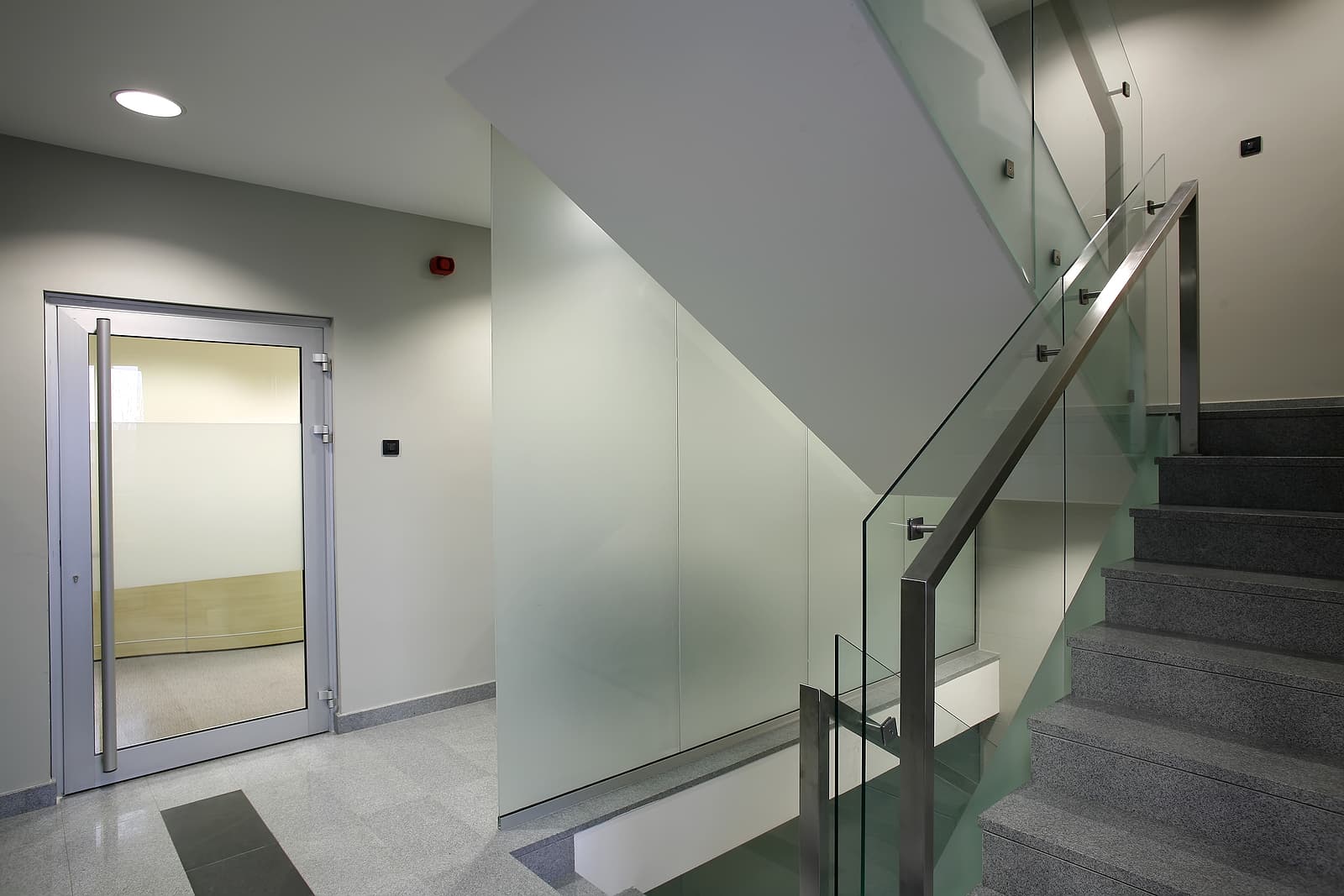
Glass looks smooth and often feels smooth on a window or a glass table, but the reality is that walk-on glass and staircase panels are either frosted or sandblasted to create a textured, grippy surface, or an anti-slip layer is added to give you more traction.
Much like with the strength of staircases, traction and slip-prevention are taken extremely seriously, and glass staircases are made with those needs in mind.
Are Glass Staircases Difficult To Keep Clean?
Glass is not especially tough to clean, and whilst it does require upkeep to prevent dirt, smears and smudges from appearing on the surface, a very quick wipe down is more than enough to keep your glass staircase looking its best.
This actually often makes it easier to keep clean than timber or stone, both of which often require the regular use of sealants and coatings in order to look their best and can be awkward to clean due to the shape of a typical staircase.
Are Glass Staircases Expensive?
This can often depend on your definition of expensive. Glass is a premium material when it comes to up-front costs, particularly if it needs to be customised to meet specific design needs, but it can be exceptionally cheap when it comes to total cost of ownership.
The exact cost will depend on the design, how elaborate the use of glass is and whether you need non-standard components.
However, the total cost of ownership can often provide significant cost benefits. Glass staircases last an extremely long time without much maintenance being required.
Can You Convert An Existing Staircase Into A Glass Staircase?
You absolutely can replace the wooden stair components with glass alternatives, although whether it is the best-looking solution will depend considerably on your existing staircase and specifically how the space underneath it is used.
If you already have an open space underneath the staircase, which is common with a lot of open plan homes with a second floor staircase, then adding a glass staircase could add more space and light.
However, if you have a cupboard underneath the stairs or the staircase is external relative to the rest of the building, you may not get a lot of aesthetic benefits from making the switch, although there are often ways to make it look fantastic.
Do You Need To Use Clear Glass For Your Staircase?
Whilst clear or largely transparent glass is often used on a glass staircase to help with daylighting, you do not have to use it, and your choice of glass can be as clear or as opaque as you like.
In many cases, more opaque glass or frosted finishes are preferred, as it allows for privacy for people walking up and down staircases, depending on whether people are likely to walk underneath.