Whilst it can be difficult at times to decide on the right materials for use in an office or modern home, in other cases the decision is crystal clear.
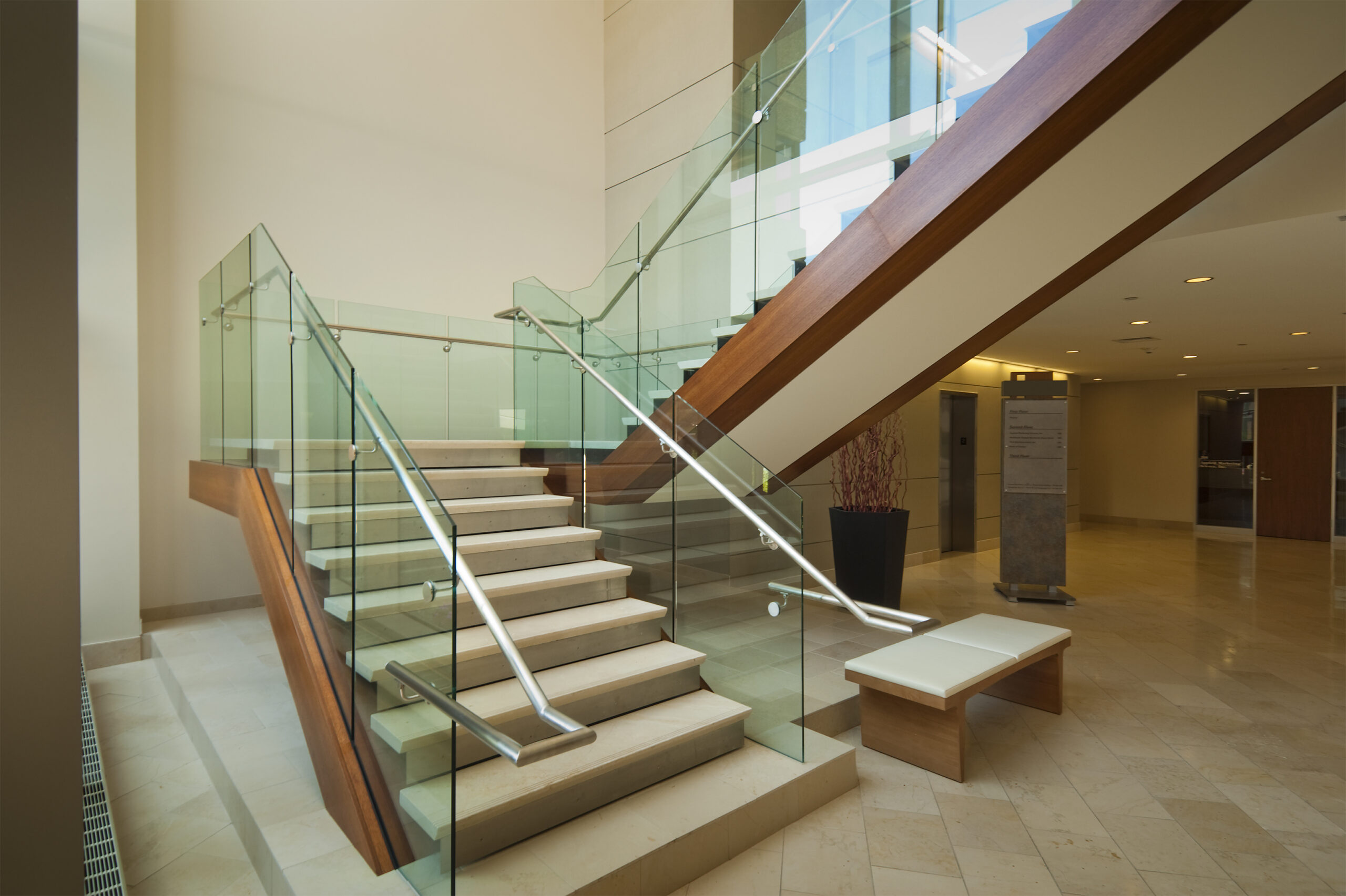
In recent years, glass staircases have become particularly popular as an elegant, modern, stylish design feature perfectly suited for modern homes and offices.
There are a lot of very good reasons why, from enhancing the potential for daylighting to creating an open, comfortable space to live, work and relax, all the way up to creating a modern, forward-thinking aesthetic with a view of either selling your property or selling your brand.
There are a lot of benefits to a glass staircase, whether you opt for a glass balustrade or a structural glass arrangement, but it is important to know how you plan to incorporate it into your building before you get in touch with designers and architects to make your vision a reality.
With that in mind, here are some top tips, ideas and inspiration to make the most of a glass staircase.
Should You Have Glass Steps, Risers, Balustrades, Or All Three?
The first question to ask yourself is about how much glass you want to incorporate into your staircase design, and you have as many options in that regard as you do legal and beautiful stair designs.
In general, there are three parts of the staircase that you can replace with structural glass:
- Balustrades – These are the railings and panels connecting the railing to the base or the floor of your landing
- Steps – These are the parts of the staircase you stand on
- Risers – These are the parts of the stairs that rest perpendicular to the steps
Exactly which parts you can or should use tempered glass for will vary depending on the type of staircase you are designing, the overall design of the building and how much of the original staircase you want to keep.
It is very possible to replace everything with glass outside of some metal railings and secure bases, whilst you can also create a more subtle effect by maintaining an existing staircase made of wood, concrete or steel and instead replacing the balustrades with glass.
There are even some creative approaches you can take, such as using glass for the risers for the additional light benefits, but keeping the railings, balustrades and steps original.
Ultimately, every building is unique, and there is considerable scope to explore and experiment with your staircase. As long as it is fit for purpose, meets building regulations and fits your design aesthetic, there are no truly wrong answers.
Should You Pair A Glass Staircase With Glass Flooring?
With the prevalence of walk-on glass solutions that help in the same ways that glass staircases, balustrades and partitions do, some building managers have wondered if the two can be combined to create a particularly useful source of natural light.
Ultimately, the answer is a resounding yes; there is no reason outside of personal preference why you cannot combine a glass staircase with a glass floor.
This can be subtle, segmented or zones, such as using a glass floor for a landing before transitioning to a metal, stone or even carpeted floor for individual rooms.
There are plenty of ways to experiment with which buildings can and do take full advantage of.
Do Glass Staircases Have To Be Transparent?
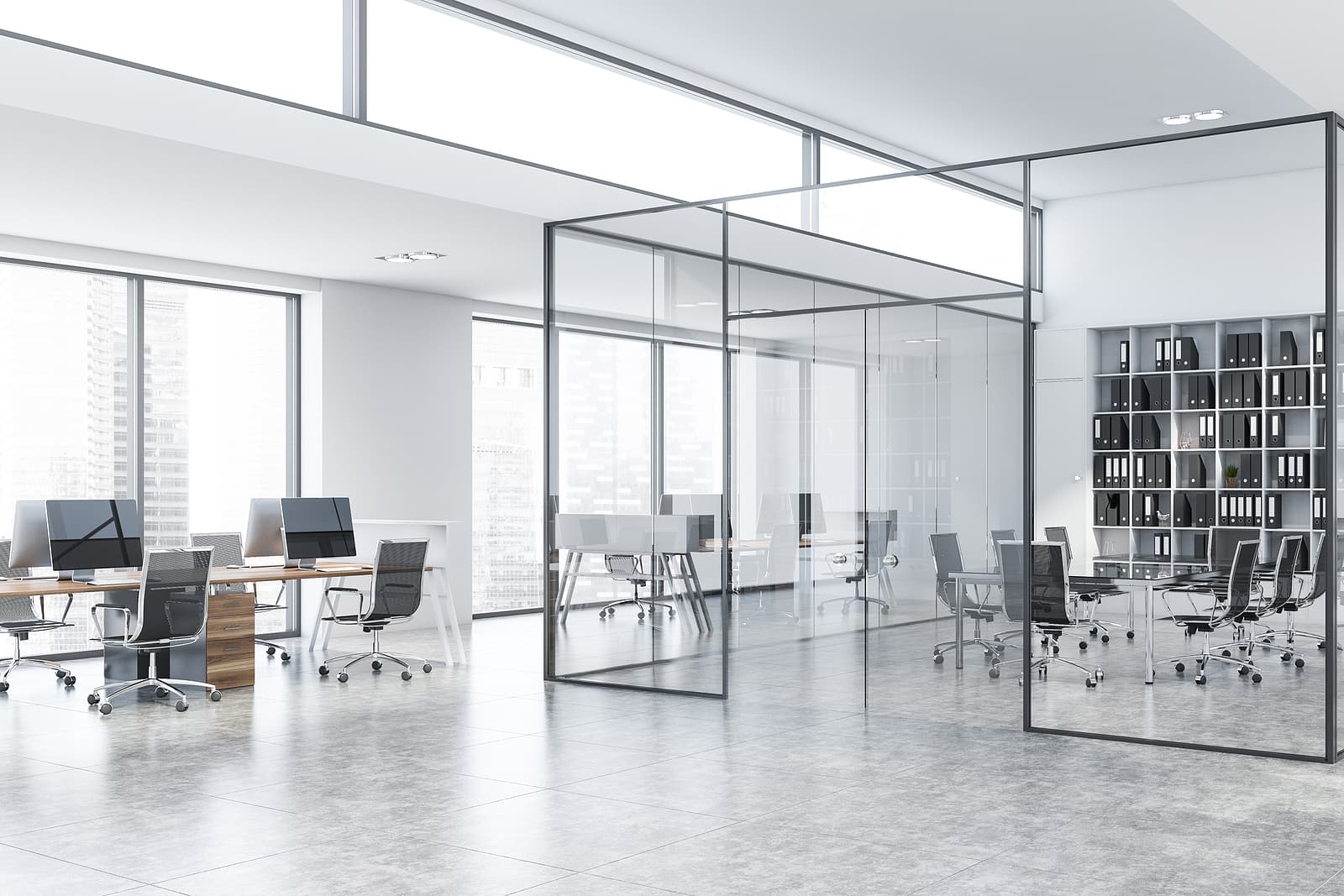
There are a few complexities to the nigh-universal reliance on glass in modern offices, one of which is the issue with balancing privacy with the benefits that often inspire curtain walling, large windows, glass partitions, staircases and other furniture.
There are a lot of advantages, both economically for a building and in terms of mental and physical health, to incorporating a lot of natural light into a building.
Natural light gives the impression of wider, open spaces, which can help a building or room feel larger than it actually is. This is also a reason why mirrors are regularly used, typically in parallel with sun-facing windows to bounce light around the room more.
However, this can come at the expense of privacy, and the productivity benefits that come from daylighting practices can be undermined somewhat by constantly feeling watched, a principle known as the panopticon effect.
This issue can be magnified if someone does not just feel like they are being watched from the same floor, but from the ones above and below.
Ultimately, this is typically rectified through the use of translucent or frosted floors, which allow light through but also maintain privacy for the occupants of the building.