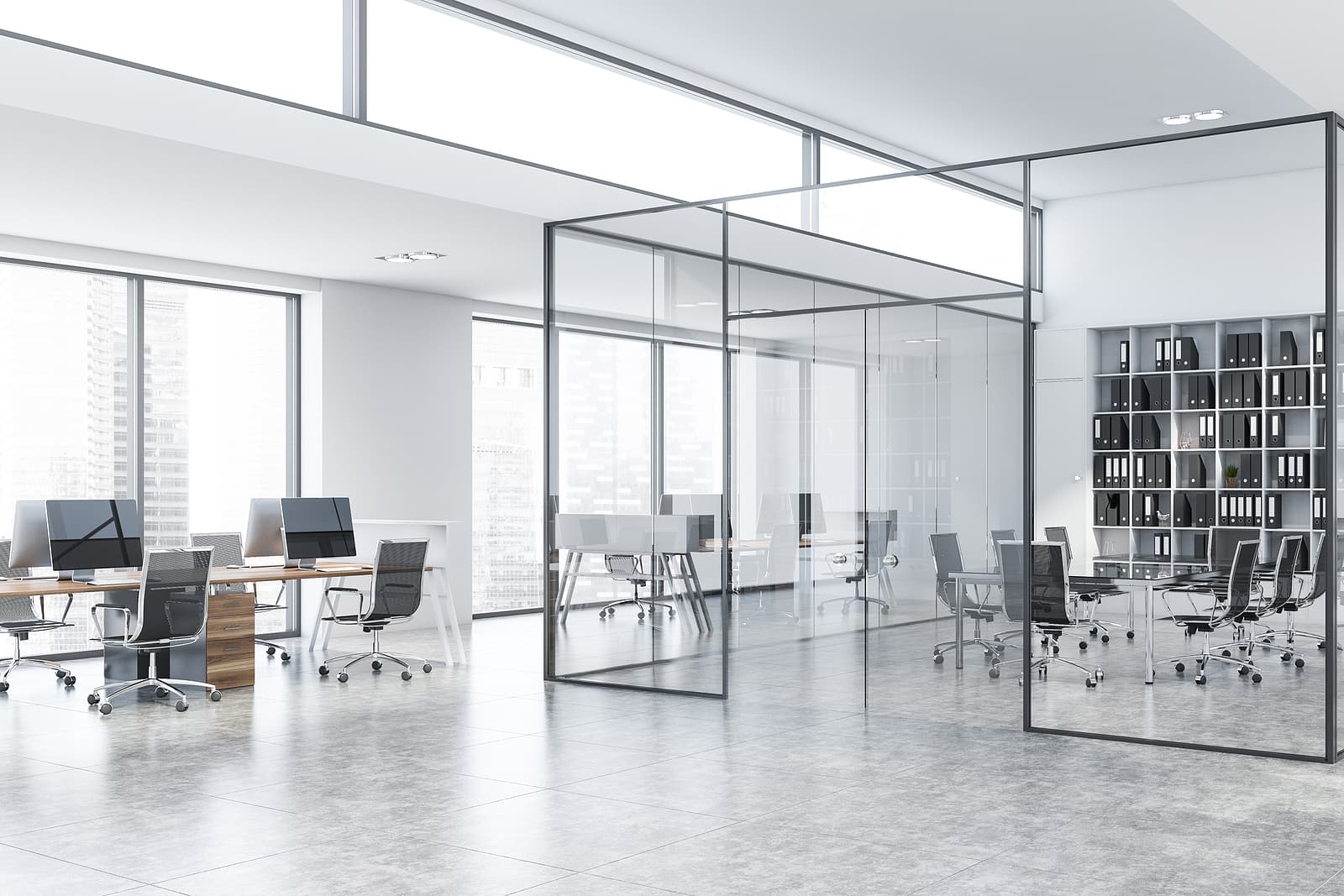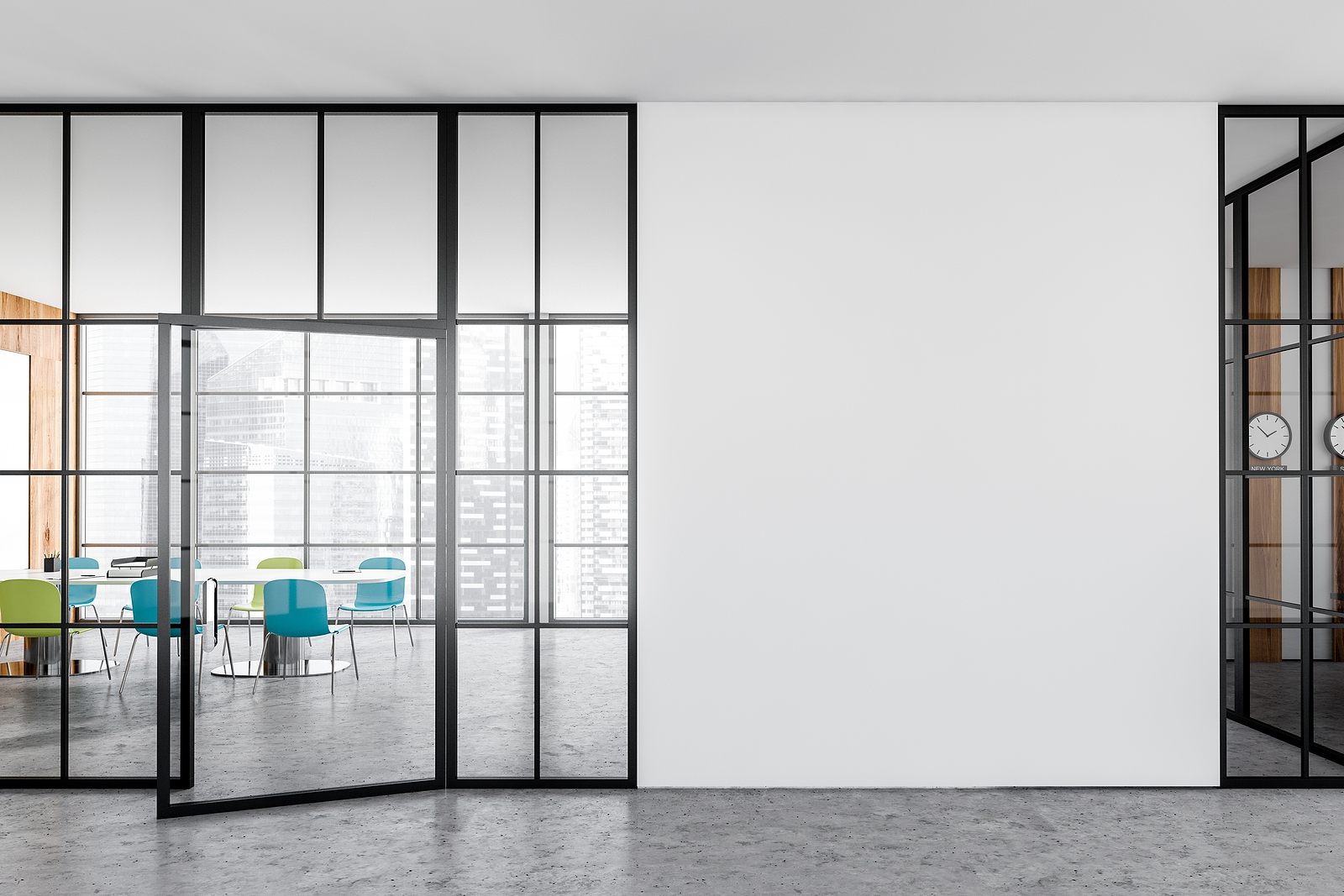
What makes glass so pivotal to modern living, working and commercial spaces, to the point that working with specialists in bespoke designs is so vital, is its effect on light, something that we figuratively and literally do not always see.
The principle of daylighting is only made possible thanks to the ability to easily and consistently create large panes of see-through glass, but even then there are layers of transparency and minor touches of adulteration that can affect how the light cascades into an office.
On a practical level, UV tinting not only serves the practical purpose of eradicating glare, but it also creates a distinctly darker tint that can itself be appealing, or it can otherwise be mitigated through savvy interior design.
Much of the design and inspiration behind modern glazing and its widespread use in almost every part of our lives can broadly be credited to a small island near the city of Venice and a glassmaking tradition spanning over a thousand years.
Before we reach that island and its legacy to the engineered glass we develop today, we need to first ask an impossible question.
Who Invented Transparent Glass?
Glass is at least 4000 years old, and because of this, it is impossible to determine which society invented glass, although Ancient Egypt, Mesopotamia and civilisations on the northern coast of what is now Syria are common candidates.
What also complicates the question is that the use of glass predates its creation; black obsidian is a form of natural glass created when lava rapidly cools down, and its sheer strength meant that it was a highly desired material for early tools.
Similarly, it is difficult to determine when transparent or translucent glass was first developed, as whilst there are historical suggestions that Syria or Cyprus worked on colourless glass in the 9th century BC, it would not be until Ancient Rome that the concept was more closely examined.
The Romans were the first to prize colourless glass, as well as the first to implement it into not only widespread use but also architecture.
The first windows were made in Ancient Rome, although due to the fact they were made using glass blowing techniques, they more closely resembled a glass jug or vessel that had been crushed into shape.
However, the techniques for creating clear glass were inconsistent, which made truly colourless crystal glass of the type that is ubiquitous today very rare.
That would begin to change thanks to one of the smallest and most influential islands in the history of glasswork, design and architecture.
Who Perfected Transparent Glass?
The city of Venice had a glassmaking culture that could be traced back to Ancient Rome, and from there up until its independence from the Byzantine Empire in the 9th century, there was an interesting paradox between its vital importance and its relative isolation.
The Origin Of The Best Glass In The World
It became a maritime republic in the 9th century, as its convenient location between the edge of Western Europe and Asia made it a foundational trade centre, but whilst it was known as a maritime trading outpost during this time, it became famous for its incredibly high-quality glass.
This was the result of generations of Roman glassmakers, trading across the Silk Road and sharing both glassmakers and their knowledge from Asian empires, access to high-quality soda ash used for glass production, and the benefits of a particularly wealthy market.
The Isolated Glassmakers Of Murano
The entire industry was moved by law to the island of Murano in 1291 and would remain as such until 1797.
This legal statute was undertaken for three main reasons that would ultimately allow Murano to dominate glass production for the next half-millennium:
- Safety – The intense furnaces used to produce molten glass were a constant fire hazard to wooden buildings, so all of the factories were moved to a nearby island where the danger could be controlled.
- Logistics – It was easier to manage imports and exports within the Venetian glass industry when everything passed through a single, secure island, especially since the ingredients and wood fuel were rigidly specified.
- Control – Trade secrets and glassmakers could be very strictly controlled.
The glassmakers of Murano were not allowed by law to leave the island without permission from the Venetian government.
The punishments for doing so were intensely strict; a glassworker would be ordered to return, and their family would be imprisoned if they did not comply with this order.
If they refused to return, or were caught divulging trade secrets, they would be assassinated.
However, for this loyalty, the glassmakers were treated as nobles, had a long summer holiday so furnaces could be repaired and lived on a beautiful island which doubled as a summer resort for the Venetian aristocracy.
The Creation Of Cristallo
Whilst Venetian glass describes a wide range of glass types, the creation of transparent glass is typically credited to Angelo Barovier around 1453.
Known as “cristallo” because of its resemblance to clear quartz crystals, this transparent glass was extremely popular, to the point that “crystal glass” and “crystal clear” are terms still used today in the glass world.
Unlike other transparent glasses, which typically retained the colour of the impurities of their ingredients, cristallo was mixed with manganese dioxide to strip any colour from the glass, which also allowed for crackle and even frosted variations.
The influence of cristallo on modern glass is still felt today, but why is so little of it made in Venice today?
What Happened To The Glassmaking Island Of Murano?
Murano peaked as a glassmaking centre in the 16th century, during which time it became the centrepiece for creating crystal glass, ornate glass art and mirrors that were bought for the price of entire fields of wheat.
This period would end by the 17th century, as the secrets Venice so desperately clung to were revealed to the rest of the world through the 1612 book The Art of Glass by Antonio Neri.
This, alongside concerted efforts by other countries to lure and smuggle talented glassmakers away and the development of lead glass as a more stable and hard-wearing alternative to cristallo, led to glass production moving away from Murano and towards England and Germany.
However, glass would still be made and sold in smaller quantities until May 1797, when Venice was conquered by Napoleon Bonaparte following an unconditional surrender.
Its legacy lives on to this day in every window, every glass and every glazed partition developed due to techniques innovated on that island or as a response to Venetian crystal glass.