One of the greatest achievements of modern architecture is the ways in which it can shatter myths about the capabilities of the materials we rely on to build the modern world.
The biggest example of this, by far, is glass, which despite being transparent and having a reputation for fragility is capable of holding up skyscrapers and grand architectural works.
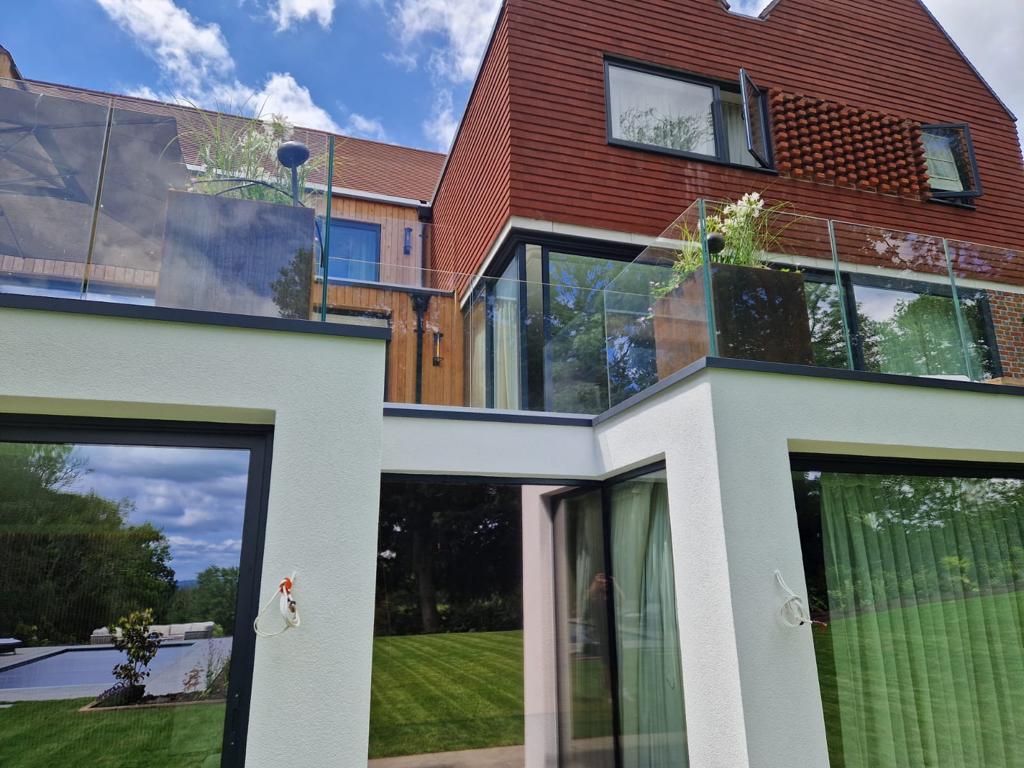
Glass is strong enough to be stood on, to be used for staircases and to be used as safety balustrades to make staircases safer, but the use of glass as a railing material also highlights an architectural shift from the traditional to the modern.
The involvement of glass in this story begins in the middle of the 20th century, but to understand the significance of glass in balustrade construction, it is important to trace the architectural concept as far back as it could possibly go.
Myths Of The Balustrade
A balustrade is a supported railing, typically supported by a row of small columns, although the exact nature and purpose of a balustrade is something that has changed and evolved throughout the years.
The word comes from baluster, a word that itself comes from the Greek word for a wild pomegranate flower, which when it was in its early bloom resembles the shape of a traditional baluster column.
This design concept has allegedly existed since Ancient Assyria in a form not entirely unfamiliar to its modern architectural usage, although whilst the baluster form existed in Ancient Greece and Ancient Rome, the most common form of railing design involved a lattice construction.
Because of this, the balustrade as we know it on staircases and balconies today only started to come into existence during the Renaissance, an era when classical architectural design elements were being used again.
In this case, an architectural element that had traditionally been used for the formation of furniture legs was reinterpreted as a primary design element for architecture inspired by Roman and Greek buildings, or what was known about their construction in the 15th century.
This is where history has become mixed, but what is clear is that by the late 15th century designers such as Giuliano da Sangallo were using it as a consistent element above the more authentic lattice used by the buildings he was inspired by.
In particular, the architectural work of Michelangelo led to the establishment of the balustrade as not merely a tribute to ancient design but as a new architectural element with a tradition, past and future.
They were originally purely used in churches and palaces, often made of stone or marble for this reason. However, as their use became more widespread, they also became more malleable to changes in materials and design philosophy.
As the Quattrocento period gave way to the Baroque period of architecture, the traditional pillar form saw its first major change, with embellishment and ornate designs carved into marble and reflecting the indulgences of the era.
This would ultimately reverse in the Neoclassical period, although whilst there was a return to symmetrical, classical patterns, they were also used in a much wider variety of buildings, leading to the use of wood as an alternative material for balustrade construction.
When the Industrial Revolution fundamentally changed how buildings were constructed, in particular, the change from stone to iron and steel as the primary construction material for buildings, the balustrade started to undergo a metamorphosis.
This was the first step towards the use of glass, but up until the 20th century, tempered glass was still unavailable in a strong enough form for use with such a vital architectural element.
However, the use of metal allowed for varied designs and cleared the way for the industrial influences of Art Deco to move away from the conventional forms that could be traced back to the Ancient Roman architectural philosophies of Vitruvius.
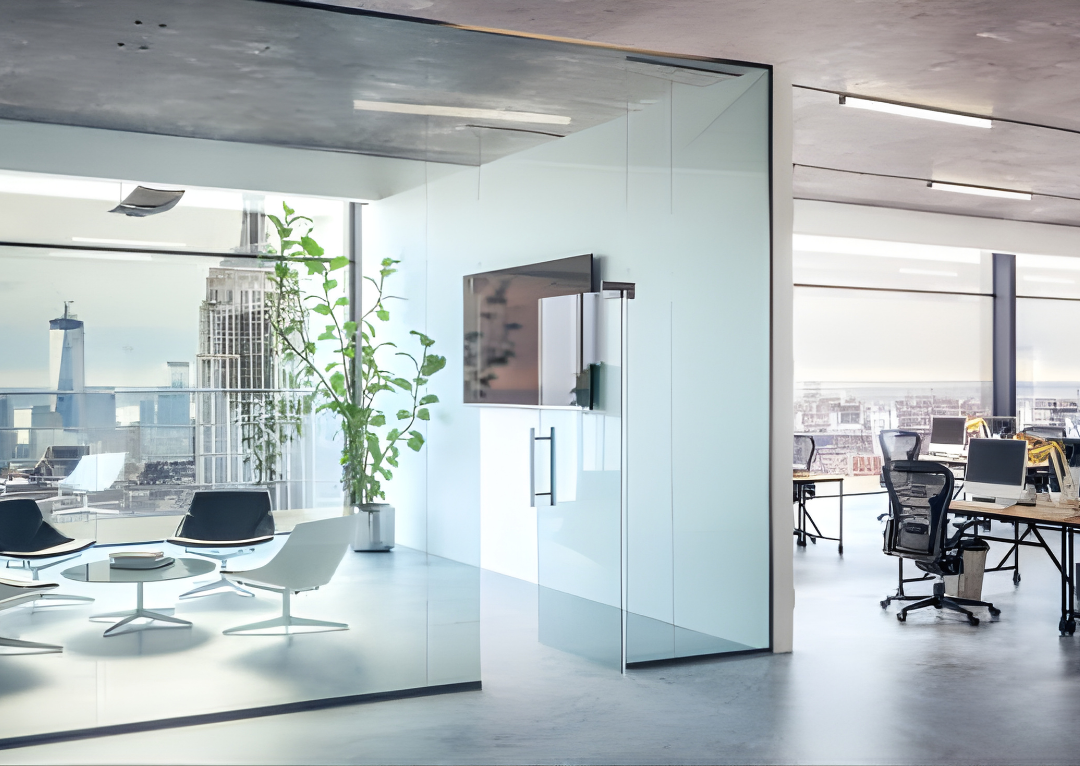
However, by the 1930s, modern architecture was starting to take shape, and alongside the glass curtain, the glass floor and the glass partition, glass balustrades would be used, the final move away from the column-based form that gave balustrades their name.
Instead, in keeping with the modern focus on clean lines, heavy emphasis on natural light and an embrace of the simple aesthetic appeal of building materials such as glass, concrete and steel, with the glass strong enough to ensure that people using these buildings were kept safe.
The balustrade was, in some cases, seen as an elegant necessity, but in its modern form, it is an integral part of a particularly subtle, minimalist design form, one that helps the modern office in its pursuit of an open, person-friendly space.