No business wants to see their premises go up in flames, which is why it is imperative they get their fire safety under control to avoid any damage to their building or injury to anyone in it.
Here are some suggestions on how to reduce the chances of a fire starting in an office setting.
Install fire glass
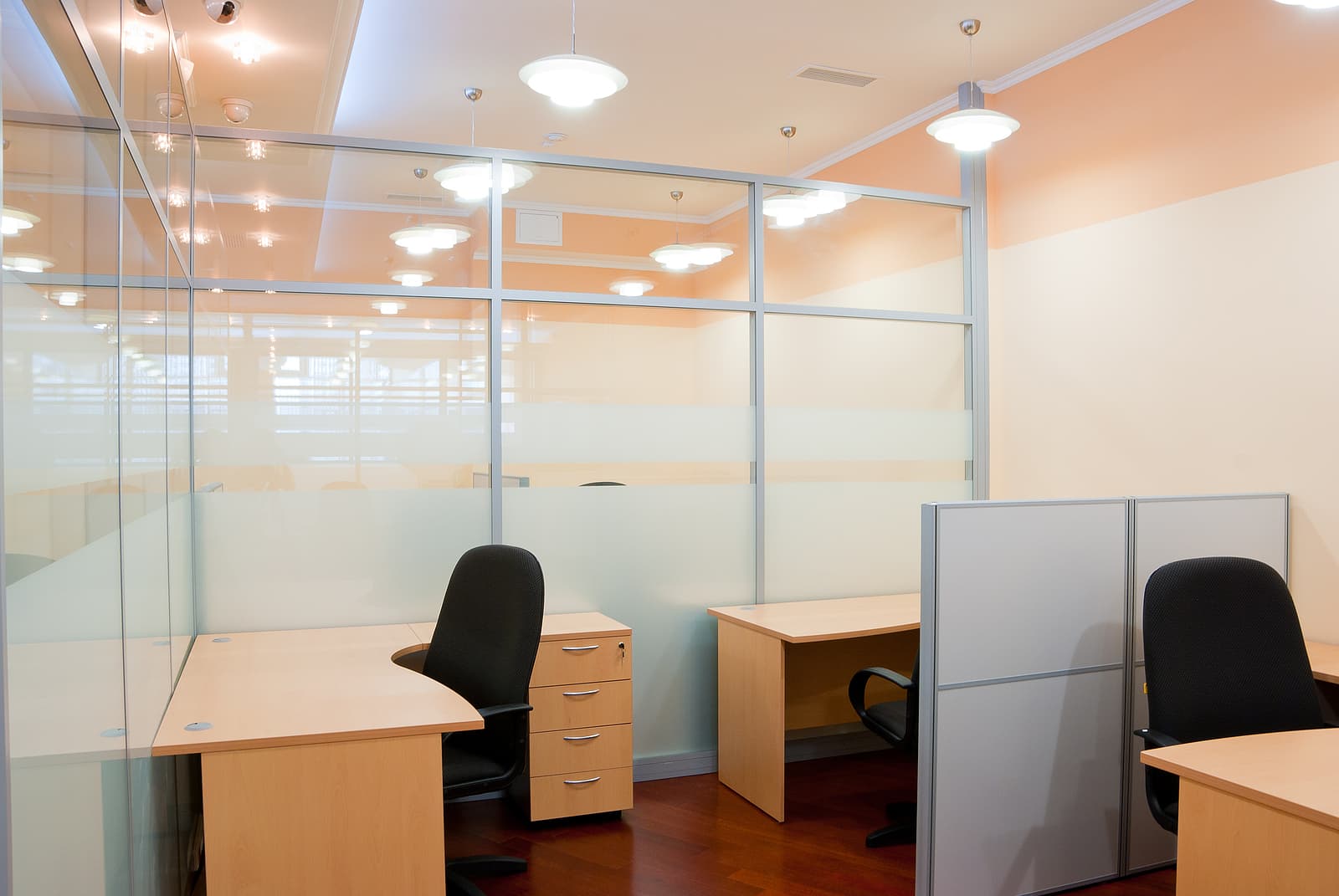
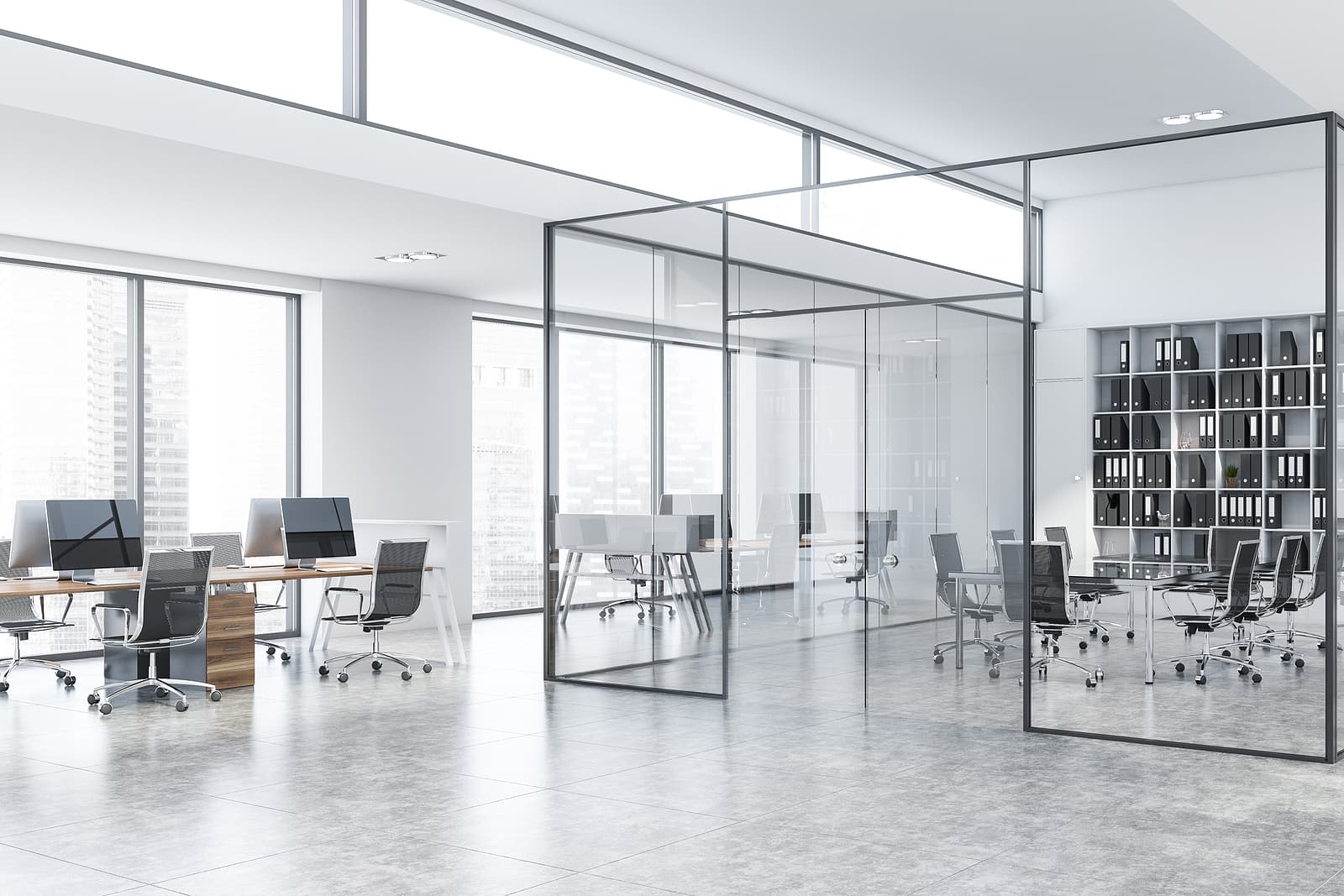
A company that is considering fitting glass partitions should consider a fire glass system.
This type of glass meets fire safety standards by providing a high level of fire insulation.
While offering fire ratings of E30, El30, or El60, fire glass can also look modern and stylish, so the interior decor of the office is not affected.
Natural light is still able to filter through the glass, despite being fitted with fire barriers, which prevent flames from passing from one room to another.
A bonus of fire glass is that it provides sound proofing, with acoustics ratings of up to 62dB, helping to keep the noise levels down on the floor.
Do not overload power sockets
One of the biggest causes of office fires is overloaded plug sockets with extension wires, as it forces too much power to enter the system, which can cause overheating.
It is important to check how many electrical wires the socket is able to handle prior to plugging in appliances, and that members of staff are not using counterfeit phone chargers.
According to the London Fire Brigade, 32 per cent of fires in offices are caused by poor electrical distribution, so it is essential that employees are made aware of their responsibility not to overload sockets.
It is also important that electrical items, and the building’s electrical system, are regularly tested and well-maintained.
Implement a smoking policy
Smoking in offices became illegal in 2007, but it is important that businesses still enforce this.
Managers need to remind staff not to smoke within the building, as well as how to dispose of cigarettes safely when outside.
Despite it being more than 15 years since smoking inside public spaces was banned, smoking is still the cause of 11 per cent of all office fires.
Avoid electrical heaters
At cold times of the year, it can be tempting to let staff use electrical heaters to warm up, particularly if the central heating does not seem to be operating efficiently.
The minimum office temperature is 16C, so it is safer to turn the thermostat up than use personal heaters, as these can often overload circuits. What’s more, they are frequently left unattended, which can be dangerous.
It is also important to remind staff not to place paper or cardboard on heat sources, such as electrical heaters, as this can cause a fire.
Keep the area tidy
Make sure employees are aware of the safety requirement to keep their workspace tidy. Not only can stacks of paper on radiators or cooling fans, for instance, be dangerous, but even dust and grease can cause a flammable situation.
Having lots of combustible items on a desk makes it ‘fire loaded’, and could help an electrical fire to spread much more quickly.
Do not keep fire doors open
Office buildings have fire doors for a reason, as they can keep a fire from entering a room for around 30 minutes.
However, many people keep fire doors propped open to get more air in or improve accessibility.
By doing this, it negates the benefits of having fire doors and can cause flames to spread at a rapid rate, which may prevent lots more people being able to escape safely.
Therefore, fire doors should always be kept closed to give people inside longer to get out of the building.
Have a fire escape plan
Fire exits should also not be blocked by belongings or furniture, as this makes it more difficult for people to escape a burning office.
It is essential to have a fire escape plan, and delegate a marshall who can give instructions about the escape route.
Do not forget to consider staff with disabilities, as they will need to be able to get out quickly and safely too.
Make sure the fire escape route is always kept clear, even if it is hardly ever used. Having lots of obstacles in the way can create bottlenecks, which makes it difficult for people to get out.
It is sensible to have regular fire drills, so all employees are familiar with the procedure and know how they would escape in a real emergency.