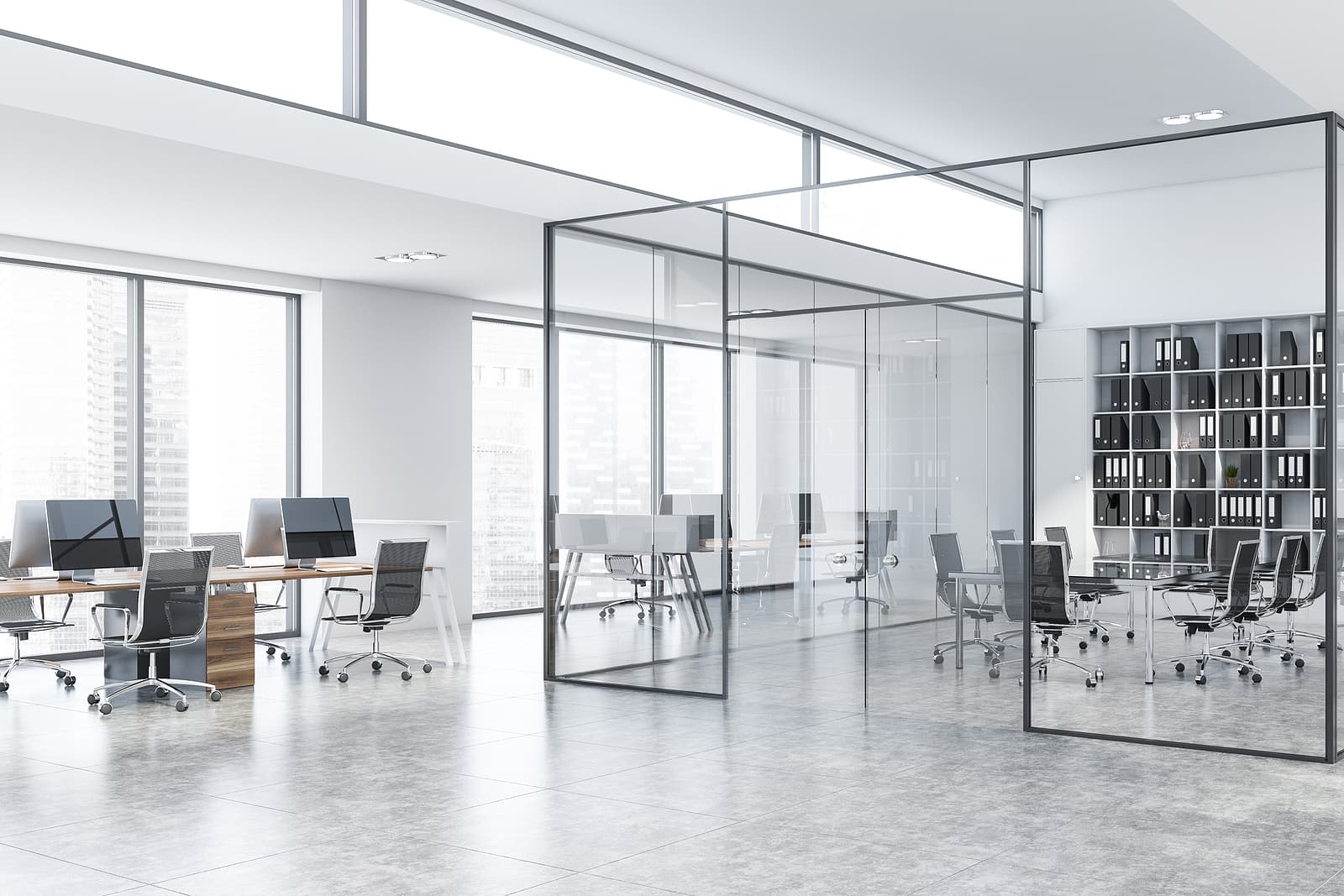
When people typically think of a modern office, the design that often comes to mind is a sleek building of glass and steel, with an open-plan office design filled with natural light.
It is a very popular style that has existed in various forms since the 1930s, but the building that changed office designs as we know it was opened in 1950, with ramifications to the use of glass in construction that have been seen ever since.
The Secretariat Building of the United Nations is based in Turtle Bay, Manhattan, New York City, although due to the extraterritorial nature of the United Nations, technically the building and its surrounding complex are under the jurisdiction of the UN.
Whilst it is not the first building ever made with a glass facade, it is the first example of a glass skyscraper as people recognise it today, one that was only made possible through technological advances in structural glazing, reinforced concrete, lighting and air conditioning.
These advancements allowed for the creation of large office structures with carefully controlled climates suited to the needs of the employees of the 58 member states in the UN at the time, who all had differing requirements for a suitable office space.
It was a contentious choice at the time, but for the UN the use of a giant glass facade was not merely a matter of aesthetics and the practical use of natural light, but also a symbolic one.
The idea of a building primarily using a transparent material such as glass was meant to symbolise an institution that operated in a way that was just as clear and open as the building represented.
This created a fundamental shift in how buildings were designed, with a huge number of high-rise office buildings relying heavily on glass in their construction, both for their facades and for their partitions in an attempt to minimise the overuse of natural light and its effect on health as well as productivity.