Every building that the public may use at their discretion will benefit from having features that will attract people to enter. This is as applicable to railway stations as it is to libraries, restaurants, cinemas, churches or sports centres.
In each case, a well-designed entrance can be a major asset, helping to attract people into the building. Attributes should include:
- Being clear and easy to identify
- Being well lit, rather than shrouded in gloom and shadow
- Creating a feeling of attraction and welcome
- Aesthetic quality
- Practicality
- Accessibility for all, including those with disabilities
- Offering a clear means of progressing from the doorway into the part of the building visitors need to access
In the latter instance, this may be via a reception desk, but in other buildings, the key is to be able to progress quickly in a wide space to where you need to be.
A prime example of this would be the user of a railway station, where, once inside, the user will seek guidance on where to go.
Why Are Glass Doors Ideal For Railway Stations?
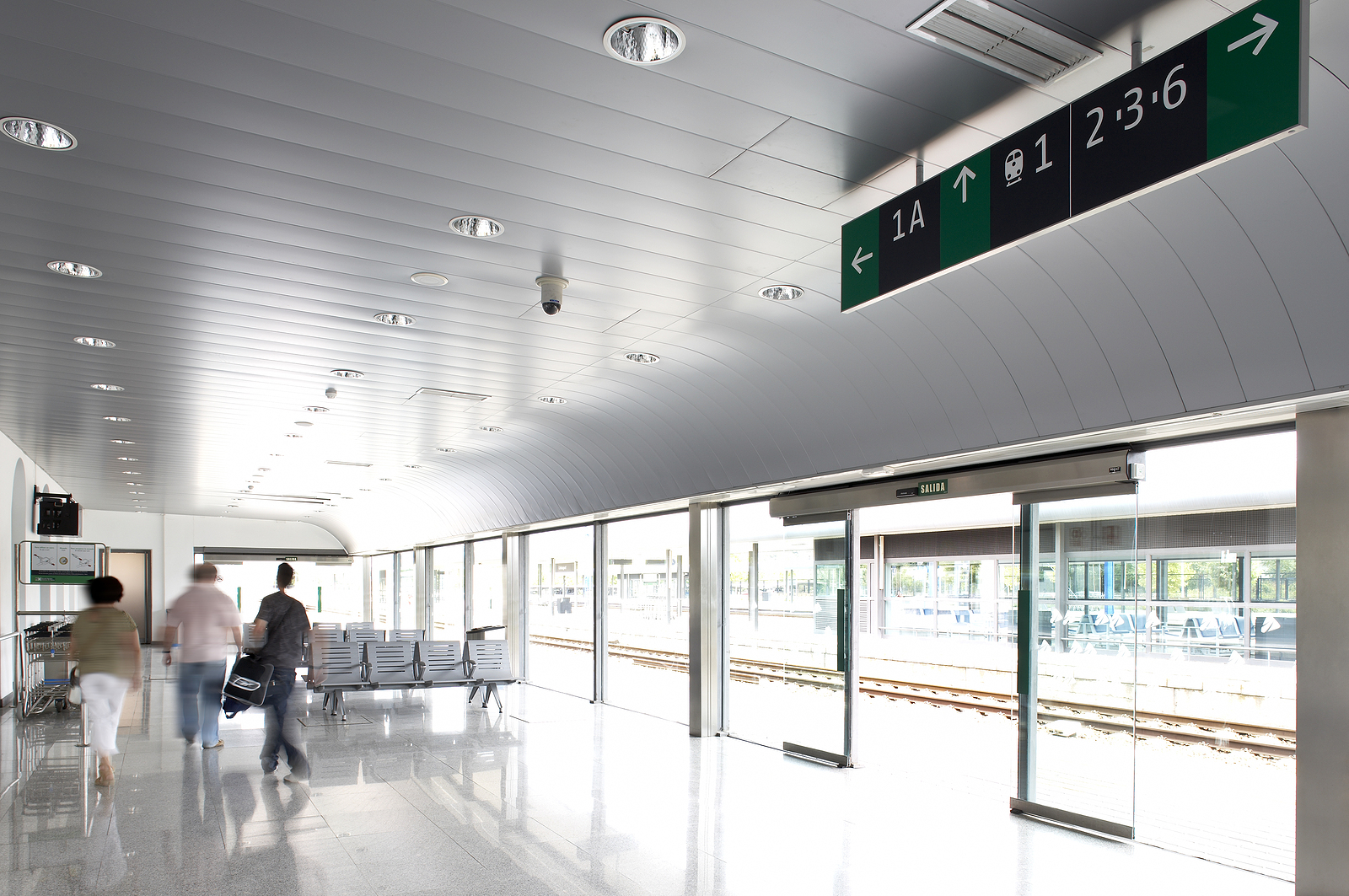
The interior should help with this, of course, with clear sight lines to spot signage, boards indicating train times and platforms, as well as seeing the platforms themselves and other station facilities.
However, the entrance will also be very important and glass doors can play a huge role in helping to facilitate these requirements.
In particular, it helps the building to be more welcoming and practical, as it is easy to see into important areas like the ticket office or concourse.
A further important benefit is that it allows more light to pass through. This is important by day, as the station can enjoy the benefits of natural light, by looking spacious and also saving energy by not needing to use as much artificial lighting.
However, it is also important at night, allowing artificial light to permeate more and creating fewer shadows that would otherwise be intimidating for some, helping to reduce opportunities for crime in the process.
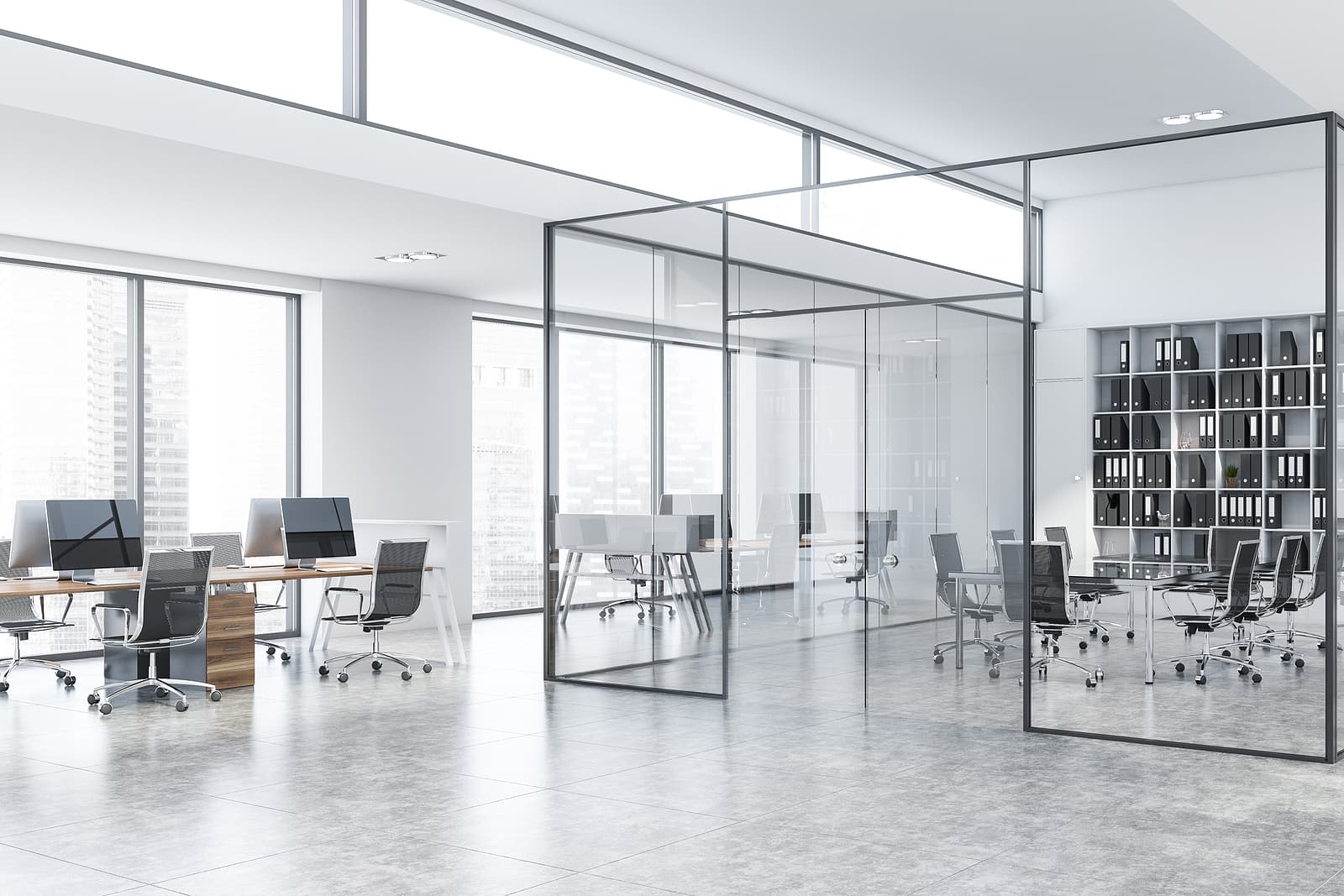
These benefits can explain why glass is used extensively in doors and windows in modern station buildings, along with glass partitions and balustrades, all allowing for more light and fewer obstructions to block sight lines.
What New Stations Will Use Glass Doors?
Among the latest designs is that of the proposed new Bedford Station on the East-West rail line between Oxford and Cambridge, which will replace the old Varsity line closed in the 1960s as part of the Beeching Cuts.
Images of the proposed station design show that it makes abundant use of glass, with glass doors and floor-to-ceiling windows, providing a clear sight of the interior.
The design at Bedford is not an outlier, but a typical example of the modern architectural style that focuses on the benefits of using glass. Examples of this appeared at the turn of this century, such as the revamp of Manchester Piccadilly Station’s main entrance.
It can also be seen in many other new station designs across the UK. HS2 may be a much-maligned project after the planned northern sections were curtailed, but the planned stations on the surviving section between London and Birmingham are striking.
For example, Curzon Street Station, the Birmingham terminus of the line, will feature glass doors alongside extensive glass at the sides on multiple levels, as well as in the vaulted roof. This takes elements of traditional Victorian design, but adds more glass.
It also fits in with the extensive use of glass in the interior, such as the balustrades flanking the platform escalators.
The same principle is applied at Solihull Interchange, where the stated aim of the design is that it “maximises natural daylight and ventilation”, and at Old Oak Common in West London.
With the original Euston HS2 station plans put on hold before being confirmed last year, the design details are still awaited. This may differ from the other stations in being partly underground, like the Northern Powerhouse rail proposals for Manchester Piccadilly.
How Does The Use Of Glass In Railway Stations Fit With Wider Architectural Trends?
However, as the Bedford design demonstrates, it is not just major stations in big cities that are being designed with a lot of glass, not least in the doors, showing that the benefits can apply at different scales.
Above all, the use of glass in stations captures the architectural zeitgeist that has seen glass used increasingly in offices, residential buildings and public amenities to emphasise natural light, create a greater sense of space and bring novel design ideas to life.
These elements can apply in new stations, but they do so in the context of practicality as they create user-friendly environments for passengers and staff, making them easier to use and more welcoming environments to be in.