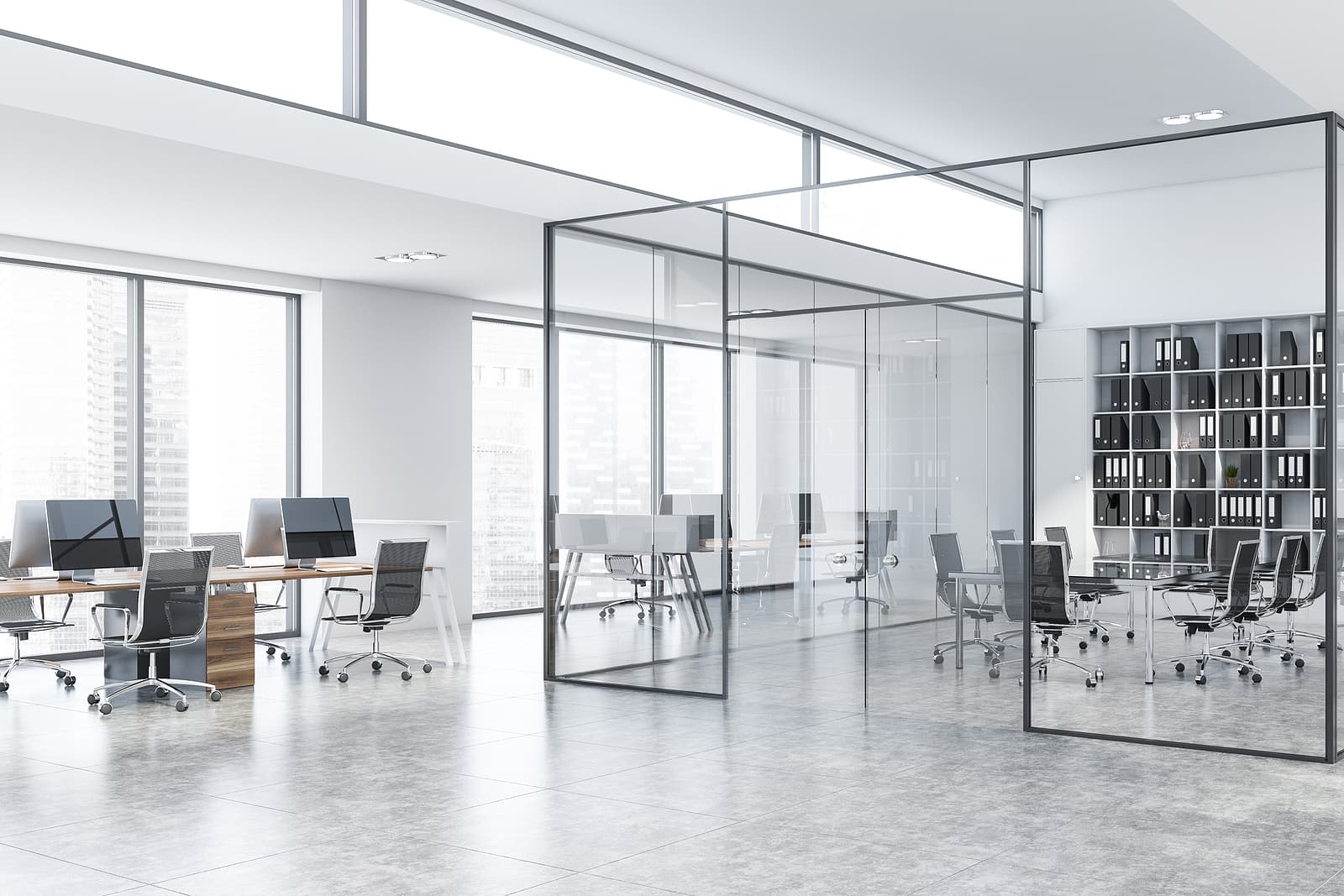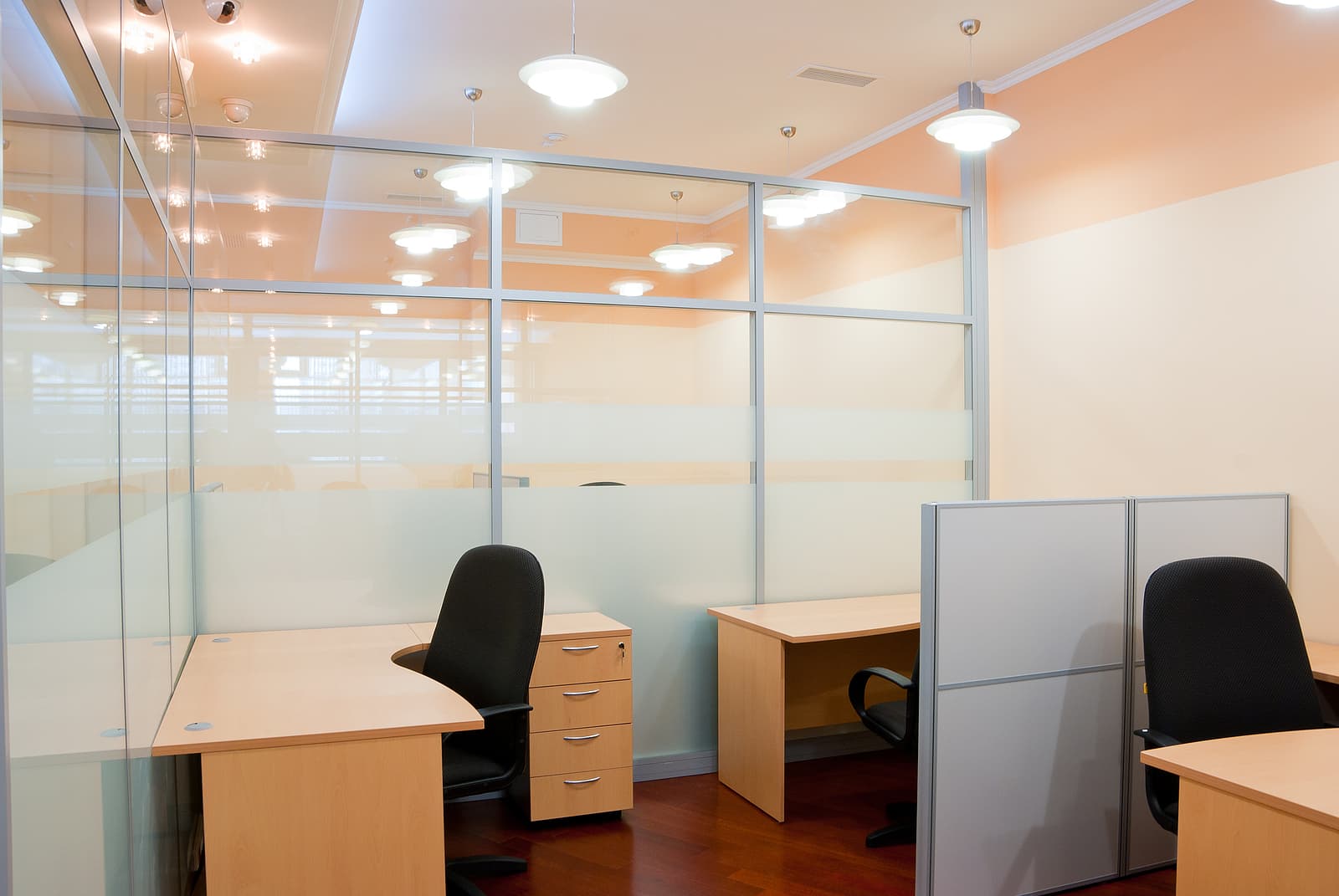
In recent years, architects have placed a lot of focus on enabling more natural light to permeate through buildings. That can make the use of glass partitions particularly important, especially when buildings are being modernised rather than built anew.
This point is particularly significant because increased natural light is not the only major theme that has been prominent in architecture over recent years.
Prompted by concerns over the construction sector’s impact on the climate and a desire to reduce embodied carbon, there has been a growing focus on reusing existing buildings instead of demolishing them and building afresh.
Does Reusing Old Buildings Undermine The Desire For More Natural Light?
This may raise a dilemma in some cases. A new building might be designed with lots of big windows, skylights and structural glass inside and out to permit an easy flow of natural light during the day, but many older buildings do not. How can these two aims be reconciled?
The answer is not to make the perfect the enemy of the good. While the ideal new building may have lots of ways of effectively flooding the interior with natural light, an existing building constructed differently can still be improved in this respect.
What that means is that interior glass can still be used to increase the amount of light that spreads through the building, even if there is only so much that can be done (especially in a listed building) to increase the amount getting in to start with.
Among the items that can help with this are:
- Glass partitions
- Glass balustrades
- Glass staircases
In each case, this replaces an item that can cast shadows with one that spreads light, so even if the end result is not as much light as may be seen in a building designed for it, there will still be an improvement.
How Can Light Be Spread In Old Railway Station Buildings?
A good example of this may be railway stations. There are many examples of stations being entirely rebuilt or constructed anew across the country. For instance, plans have been published for new station buildings at Stockport, while HS2 will have several new stations.
Anyone looking at the designs will see that they have been built with the modern architectural priority of allowing in lots of natural light, which is complemented by the use of glass partitions and balustrades.
This may also be true on a smaller scale at other new stations around the country, although they will not need large roofs in the manner of hub stations or multi-platform through stations.
While the HS2 stations are being built anew, the Stockport plan involves transforming an existing station, as happened with the new transparent roofs and other improvements established at Manchester’s Victoria and Piccadilly stations in the last 20 years.
However, such partial rebuilds cannot be managed everywhere. Some stations, such as Moor Street in Birmingham, retain a more traditional style. Glass in the roof enables some light to get in, but the metal parts of the Edwardian structure cast a lot of shadows.
Where roofs can be altered to allow in more light through skylights, or windows can be enlarged, extra light can permeate old buildings, helped by internal glass structures.
The Moor Street case may be an example of where a certain compromise can be reached in improving older buildings.
Rather than totally replacing the historic station with a new building or completely replacing the old roof with its many shadow-casting girders, as much as could be done to add extra light was undertaken.
This type of measure shows that revamp projects carried out to respect embodied carbon principles, or constrained in what they can do by listing, offer a mid-way solution between a total rebuild with lots of external glass and trying to make the best of a gloomy bad job.
Are All Old Buildings Lacking In Natural Light Access?
However, it may also add a certain element of perspective, as many old buildings are not altogether bad when it comes to letting light in.
For instance, some grand structures might have glass domes and, after all, it wasn’t 20th century architects who designed London’s Crystal Palace.
Another element of compromise might come about when older buildings are reused but modified in other ways.
For example, there are instances where an existing building, or a large part of it, can be retained, but extra floors added on top, increasing space but also enabling new construction to take place, with the design featuring all the principles of maximising the flow of natural light.
Whether your project involves a completely new building or using an existing one, there will always be a lot to gain from the extra natural light glass barriers allow to permeate through its interior.