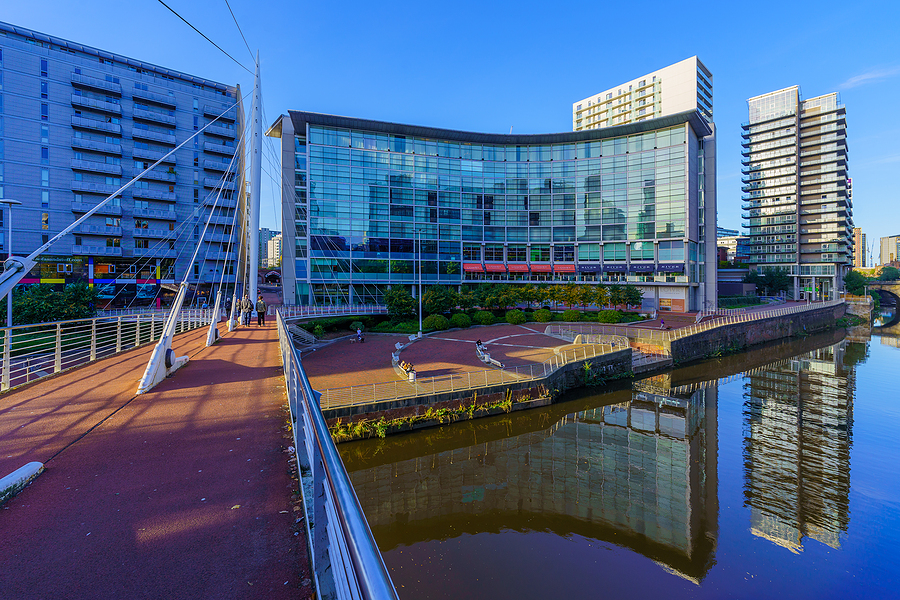
The sight of structural glass in the form of skyscrapers and a plethora of apartment blocks has been the dominant feature of new buildings in Manchester in recent years. Now, it appears more of the same is on the way after a 61,000-home plan was approved.
Manchester City Council approved the plan for the city’s growth up to 2039, with 42,000 of the 61,000 homes set to be built in the city centre.
It marks a planned continuation of an economic boom that Andy Burnham has dubbed “Manchesterism” as he makes the transition from the mayor’s office to Downing Street.
Where this will differ from previous developments is that the definition of the city centre has been expanded, which will mean more steel and glass towers, plus smaller but still substantial apartment developments, will arise in greater numbers in new areas.
How Much Has Manchester Grown?
The development of the city centre in recent years has already been startling:
- The estimated population of the city centre is now nearly 100,000, compared with around 500 in 1990
- Further projections suggest this could rise to as much as 255,000 by 2035
- The city centre has driven the growth of Greater Manchester’s economy by 28 per cent since 2015,
- The most recent Deloitte Crane Survey for the city described “robust demand and exceptional resilience” despite wider economic tailwinds.
- At the turn of the millennium, there were just two buildings in the city that were over 100 metres tall, whereas now there are 26, with many more in the pipeline.
- The record for the tallest building in the city has been broken twice already this century and is set to be topped again by more skyscrapers in the pipeline.
How Is Manchester’s Centre Being Redefined?
Expansion of the city centre will take in districts such as Strangeways, Ancoats, Victoria North, Collyhurst, New Islington, parts of Sport City and the Manchester Metropolitan University Science Park campus.
Many of these areas already have new developments in place or others in progress, but the new plan will give further impetus.
At the same time, similar developments are happening across the Irwell in Salford. While not part of Manchester City Council’s Plan (Salford marks a century as a city in its own right this year), the approach is very similar, with a fast-growing population and skyline to match.
This will even include a proposed skyscraper of 841 ft in height, taller than anything proposed in Manchester and exceeded in Britain only by the very tallest skyscrapers in London.
Some of this will involve building on substantial plots of brownfield land, one of which, in New Islington, may also form part of Mr Burnham’s proposed ‘Downing Street North’ site.
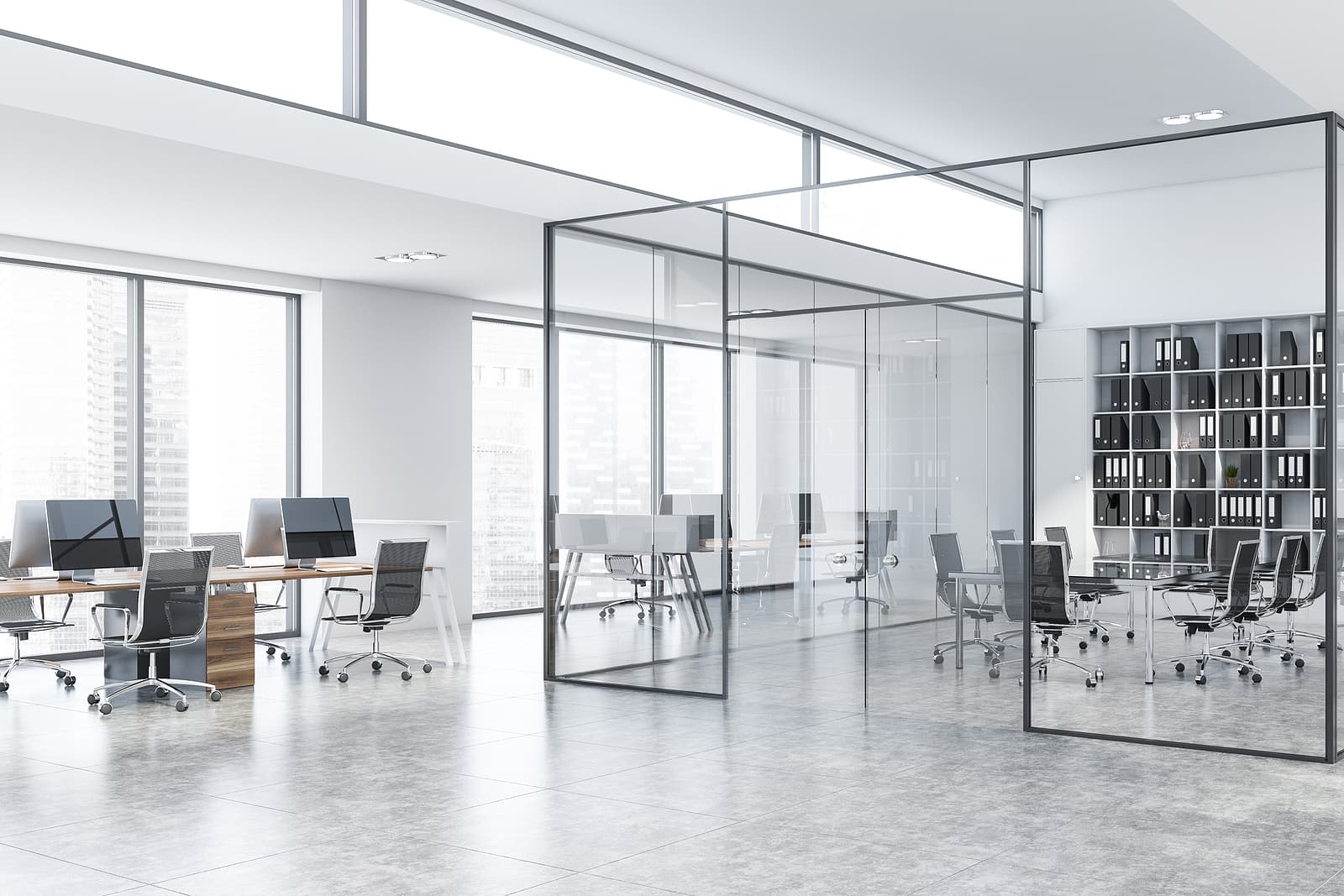
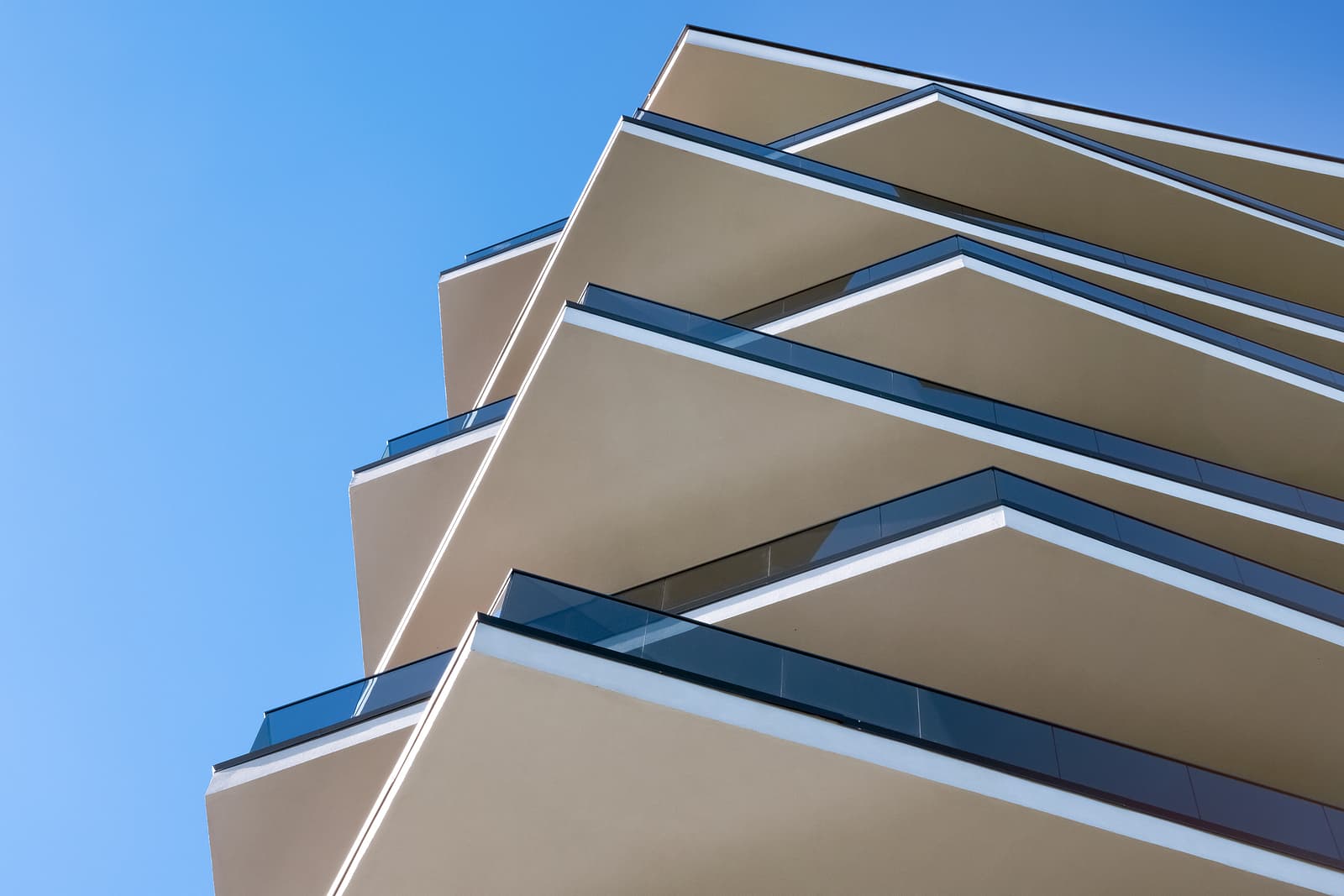
For architects, the use of glass has been a defining feature of many of these developments. This is not just to be seen in the external glazing on the many new towers, but in the glass balustrades on balconies and inside buildings, allowing more natural light to penetrate.
The use of glass in large modern buildings fulfils three roles, these being:
- Practical, as it allows more light in and the light weight makes it easier to build high
- Aesthetic
- Environmental, as it is energy-efficient and glass can be easily recycled
Such schemes will not just be a matter of architectural fashion. In many cases, they will provide a major benefit by offering extra natural light in buildings that might sometimes lack it.
How Can More Natural Light Prevent Overshadowing?
Part of the reason for that may be the notoriously gloomy Manchester weather, notwithstanding the current blazing summer, but also the fact that, as the number of large buildings in central Manchester soars, the potential for them to block out light increases.
This effect, known as overshadowing, is subject to some legal constraints in the planning process. But the use of internal glass can help make the buildings that might otherwise cause overshadowing allow more light to pass through, reducing the problem.
This may certainly be useful for the neighbours of tall buildings, although the features will be welcome in the buildings themselves, even on upper floors where, by definition, overshadowing will be much less of a problem.
What is clear is that Manchester’s direction appears to be one heading upwards, outwards and, increasingly, using structural glass. That will mean many more homes, more offices, (possibly a new central government base) and major public transport developments.
The role of glass in these will be a mixture of aesthetics and practicality, which will be essential if a city planning for further growth is to ensure it is liveable and, just as importantly, that the benefits of natural light are still enjoyed in the most built-up areas.