In a world that’s moving towards a sustainable future, the materials used in the design of interior spaces can play a pivotal role going forward.
If you’re looking for an eco-friendly material you can use for your home or commercial space, glass is one of the most advantageous options available to you.
Here we discuss the environmental benefits of using glass, as well as comparing it to other commonly used materials in interior design.
Sustainability Benefits Of Glass
If you’re looking to reduce your carbon footprint when designing your interior space, glass can help you achieve your goals in the following ways:
Recyclable And Reusable
Glass is a highly recyclable material. Recycled glass, known as cullet, can be used in the production of new glass products. This reduces the need for raw materials and minimises energy consumption.
Longevity
One of the most attractive benefits of glass is its durability. When they’re properly maintained, glass features can last for decades.
This longevity reduces the need for frequent replacements, saving resources, money and time in the long run.
Energy Efficiency
If energy-efficiency is top of your wish list, glass is a great way to trim your bills. For example, double and triple glazing with insulating glass enhances the energy performance of buildings by reducing heating and cooling requirements, which saves both the planet and your finances!
Cleaner Production
The glass manufacturing process has made significant strides in energy efficiency. Techniques like regenerative furnace technology and the use of clean energy sources have reduced the energy intensity of glass production significantly, with more technological advancements expected in the coming years.
Natural Lighting
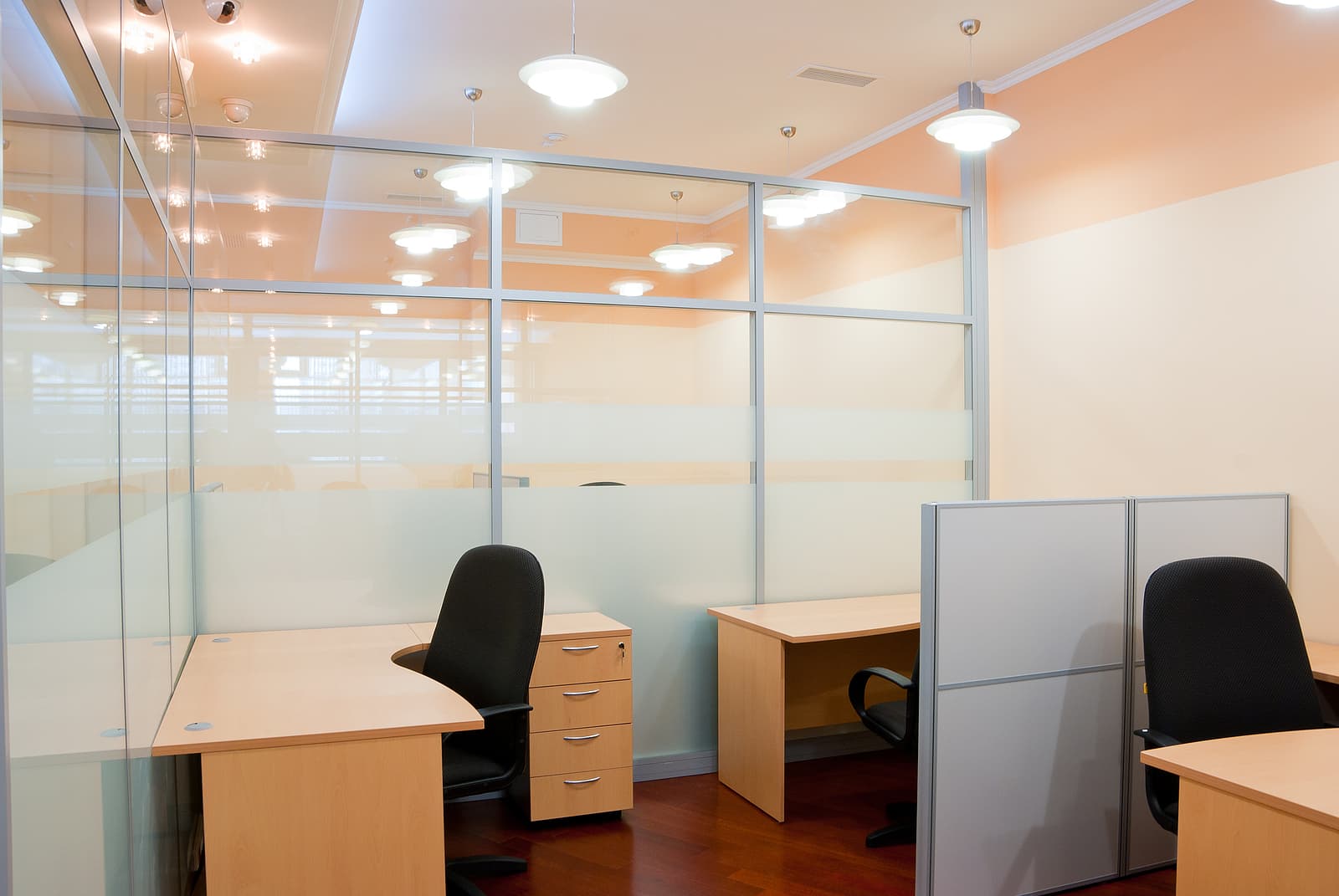
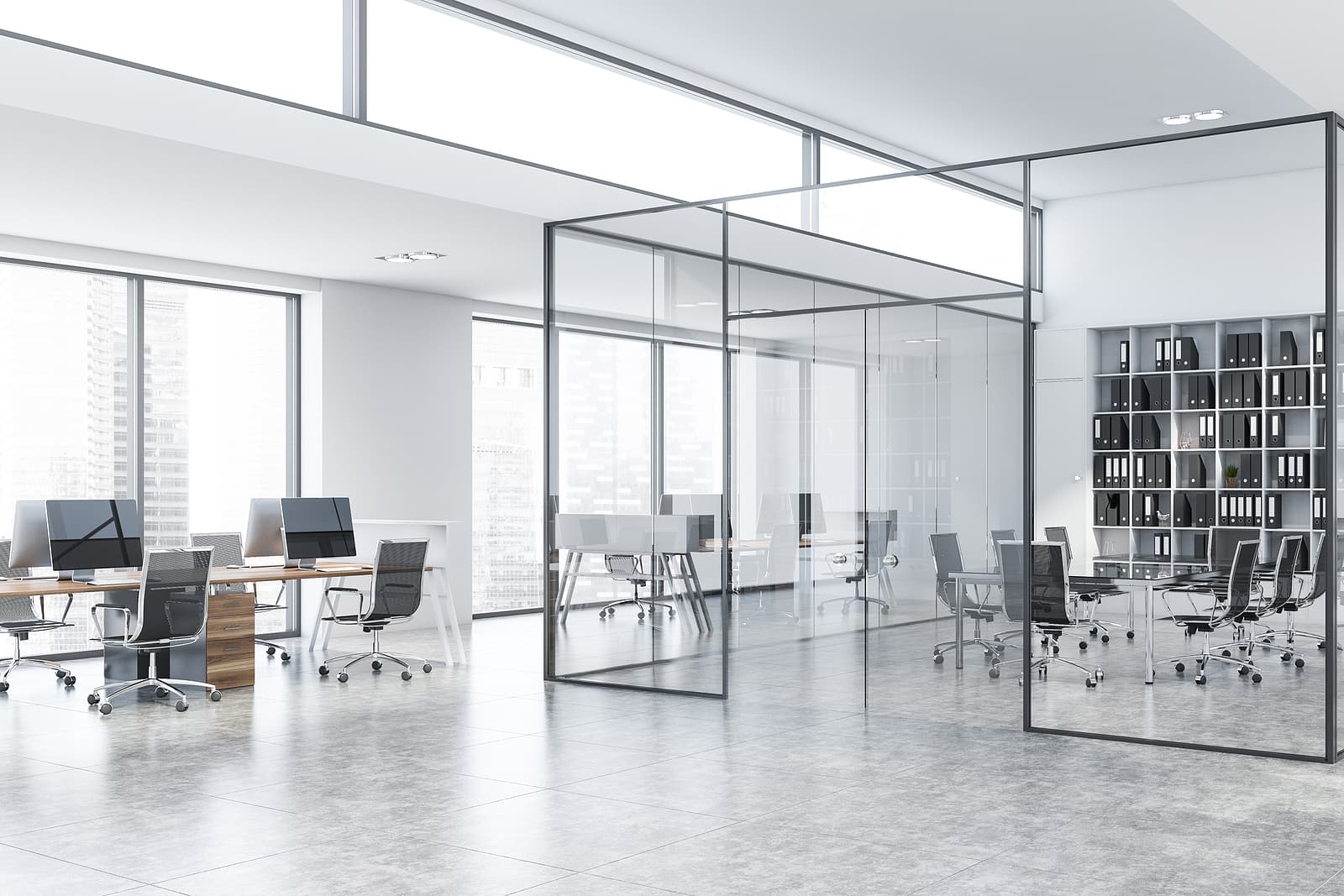
When used in interior design, glass partitions and staircases increase the amount of natural light in a space. This decreases the need for artificial lighting, which in turn reduces energy consumption and lowers your carbon emissions.
Healthy Indoor Environment
Unlike some materials that emit volatile organic compounds (VOCs), glass materials are non-toxic and non-allergenic so they won’t release harmful substances into the air. This contributes to a healthier indoor environment for whoever is occupying the space.
Recycling Initiatives
Many glass manufacturers are actively involved in recycling initiatives, contributing to the circular economy. By using cullet in production, these companies help reduce the carbon footprint of the glass industry, so by supporting these initiatives you’re having a positive impact on the environment.
Comparing Glass To Other Materials
When comparing glass to other commonly used interior design materials, several sustainability factors come into play. Here we’ll look at the alternatives to glass and see how the various materials match up.
Wood
While wood is a renewable resource, deforestation and unsustainable logging practices are still a major concern. Moreover, in many cases, wood also needs to be treated with varnishes and other products which are environmentally-taxing to produce and can have toxic and polluting effects.
Glass avoids all of this, so naturally it has a lower environmental impact and is often a better choice, especially when considering longevity.
Plastic
Plastic materials, such as PVC, are associated with environmental issues like plastic pollution and high carbon emissions during production. Some uPVC can also produce toxic emissions, so if you’re looking for the most sustainable building materials then there are multiple reasons why you should avoid plastics!
Glass is a more sustainable alternative, with less impact on the environment. It also won’t produce any unhealthy emissions.
Concrete
Concrete production is harmful to the environment due to its energy-intensive manufacturing process and significant carbon emissions, which contribute to climate change.
Glass, especially when being used for windows and partitions, provides an energy-efficient alternative as its production is much kinder to the planet than that of concrete.
Metals
The extraction and processing of metals such as aluminium and steel can harm the environment in a variety of ways including deforestation, water pollution and energy-intensive processes, which leads to habitat disruption and ecological imbalances.
Glass, when chosen for specific applications like interior design, can be a more sustainable option.
So that’s how glass can be used to maximise your sustainability efforts. As you can see, there’s a multitude of reasons why glass is an eco-friendly choice. So whether you’re adding glass partitions, glass staircases or glass balustrades (or all three) you can be sure these align with your environmental goals moving forward.
If you’re keen to add glass features to your interior space or you’d like to speak to someone to find out the options available, reach out to us and we’ll be more than happy to assist you.