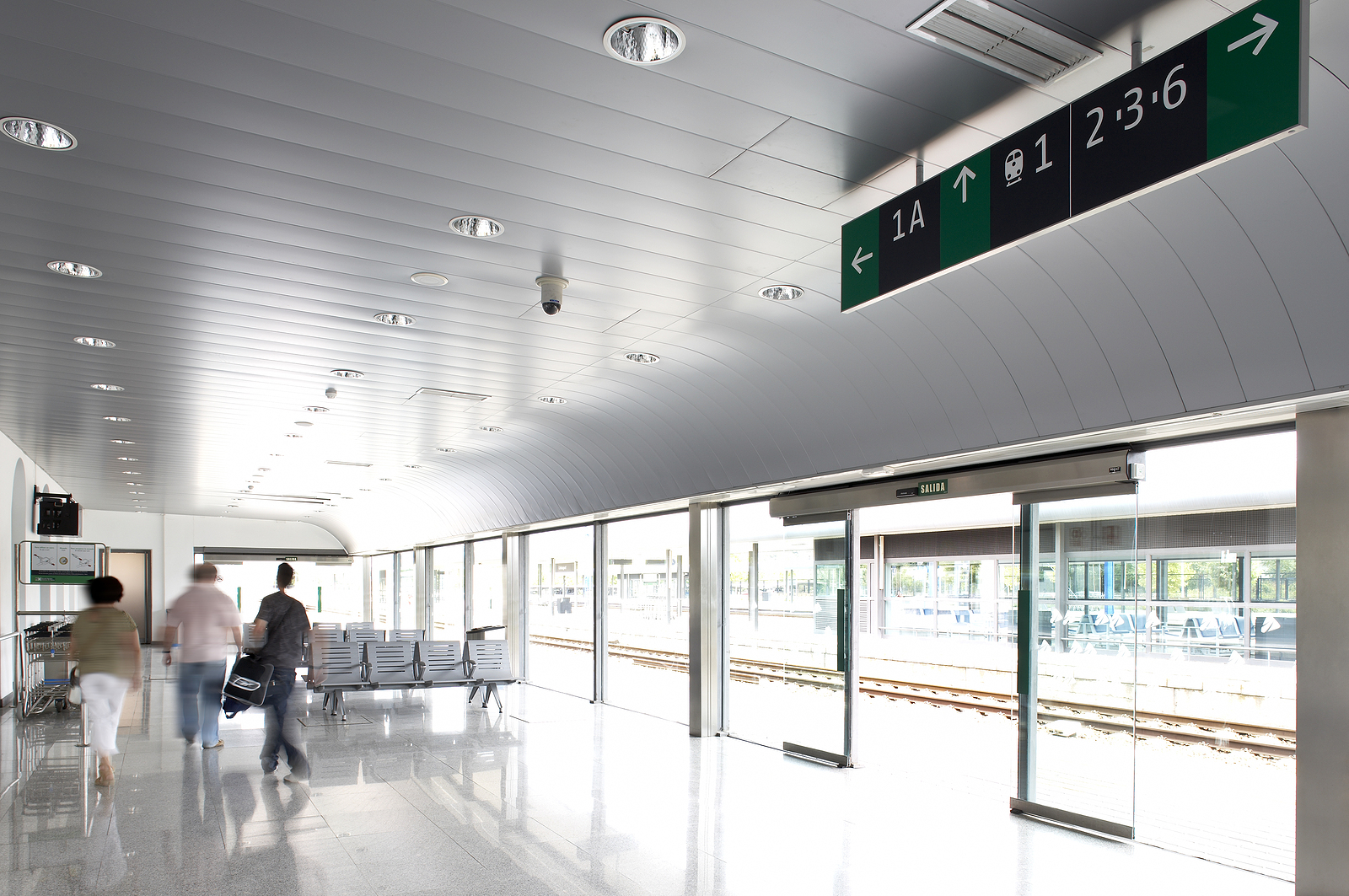
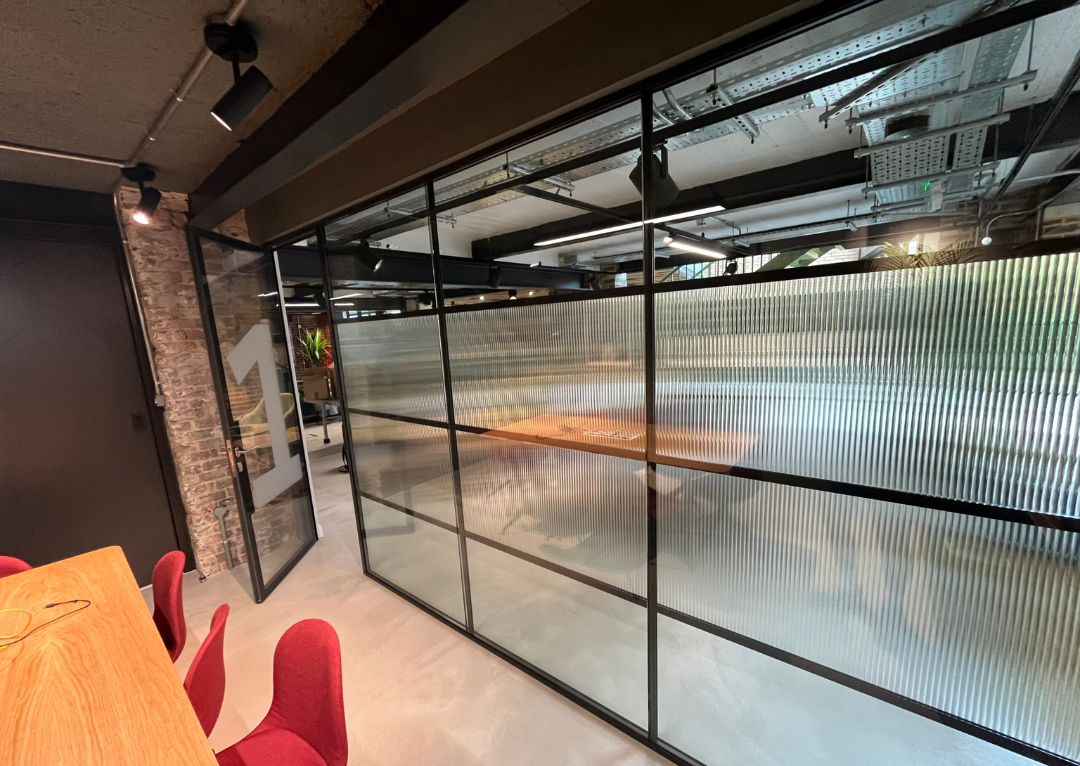
The role of glazing is central to modern architecture, providing aesthetically pleasing features such as glass staircases, and boosting light levels and energy efficiency. Here’s a look at the versatility and benefits of incorporating glazing into architectural design, and some iconic examples that showcase innovative use of glazing.
The benefits of incorporating glazing into building design
Maximising natural light
There is increasing recognition that increased natural light brings huge benefits to buildings, not just aesthetically but also for the mental and physical health of the occupants. Repeated studies have demonstrated that natural light and daylight exposure boosts overall health and sleep quality.
This is a particularly important consideration in offices where workers spend the vast majority of their daylight hours, particularly in wintertime. Fluorescent light exposure can cause screen glare and eye strain, and may even lead to elevated stress levels.
Natural light can help to prevent seasonal affective disorder, a common type of depression that afflicts people mostly during the autumn and winter due to lack of sunlight. It also boosts vitamin D levels, which is a vital substance that the body can only manufacture when the skin is exposed to sunlight.
We do not need to be outdoors for this process to take place, as even sunlight filtered through glazing can be absorbed by the skin. Vitamin D is essential for healthy bones and teeth, and it also helps to manage weight and mitigate against the risk of serious illnesses such as heart disease and various cancers.
In the workplace, maintaining a good level of natural light through the use of glazed partitions rather than solid walls, and glass balustrades and staircases helps to create a pleasant work environment that promotes good mental and physical health.
This boosts productivity and morale and reduces sickness absence and staff turnover, helping to create a positive company culture and generate better results. The reduced reliance on artificial light also reduces energy expenditure and the carbon footprint of the business.
Contemporary design and feel
Glazing has a compelling aesthetic appeal, creating vibrant and welcoming spaces that are modern and airy. In homes, it can create a spacious open plan feel to even compact houses, whilst providing a degree of privacy and separation when necessary through the use of blinds, drapes, or tinted or frosted glass.
Glazing can also be soundproofed effectively, by incorporating specially coated transparent interlays between the panes of glass. This is beneficial in homes to allow for the occupants to watch TV or play music without disturbing other members of the household.
Acoustic glazing is also invaluable in offices, where it can be used to create partitions for meeting rooms and quiet zones where workers can carry out tasks that require deep concentration, or conduct phone calls or video conferencing.
Glazing technology has evolved over the past few years to introduce smart glass, which has the capability to change its opacity according to the level of light in the building, or by electronic command. This means that the glass can transform from clear to tinted or opaque in a second, providing instant privacy or shade, and eliminating the need for blinds.
Notable examples of architectural glazing
The Shard, London
The Shard is a building that can divide opinion, but it has undeniably influenced the modern urban landscape since it was completed in 2012. The spire-shaped 72-storey tower in Southwark, London, has an entirely glazed facade that is expressly angled to reflect the sky and weather conditions, and allows for panoramic views from the upper floors.
The Louvre Pyramid
The iconic Louvre Pyramid in Paris that stands in the courtyard of the Louvre Museum, and is constructed from 673 glass panes in a metal frame. It was designed by the Chinese architect M. Pei in 1983, and it met with a certain level of controversy when the design was first unveiled.
Critics raised objections to the modernist style of the building, which they felt disrupted the visual harmony of the historic gallery, which is built in the French Renaissance style. The pyramid is considered a symbol of death in ancient Egyptian culture, and objectors thought this unsuitable for an art gallery.
However, today the Pyramid is a landmark of the city that is instantly recognizable and admired throughout the world.