If you are considering renovating a modernist home or office building, installing a new staircase is definitely something to think about.
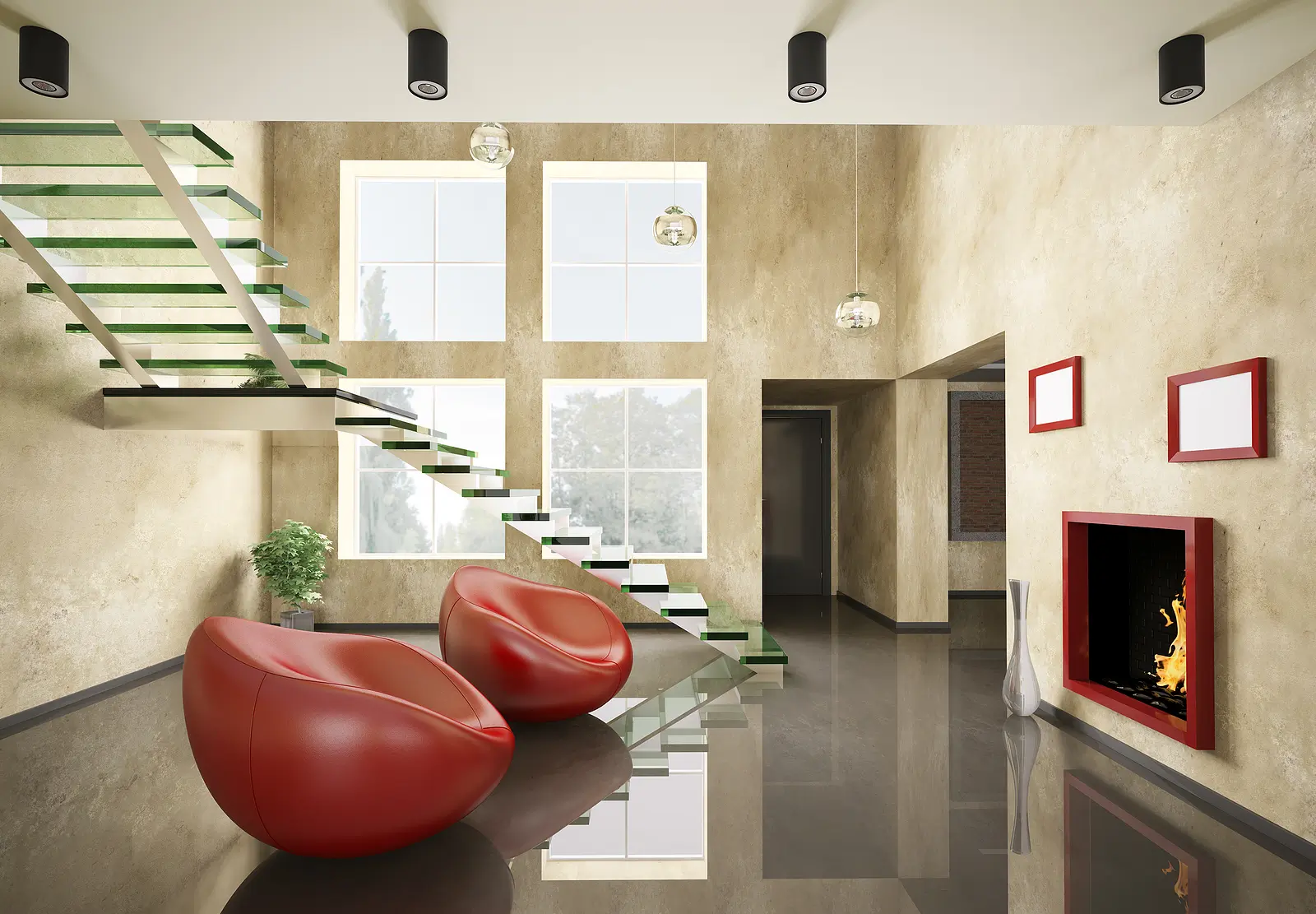
Departing from tradition when it comes to stairs can breathe new life into architectural spaces. That is where a glass staircase can make a difference, in particular, a floating glass staircase.
A refined and beautiful glass staircase can change the whole aesthetic energy of your home or workplace by adding a touch of sleek, luxurious design.
What are the different types of floating glass staircases?
Staircases can be bespoke-designed to suit the space that they are in. L-shape, curved, straight or spiral staircases can all be built with floating glass treads.
Cantilever
These are created by using a wall to anchor the stair tread at one end and leaving the other free.
Open riser
These are built without vertical panels between the treads, leaving a gap between each step.
Mono stringer
Also called a mono-beam staircase, they use a single beam, usually made of steel, to support the centre of each tread, like a spine. They can also use open risers, so that the treads look like they are balanced on the beam.
Can floating glass staircases be used in offices or homes?
A floating glass staircase can be installed in either a home or a workplace, adding a luxuriously modern aesthetic to the space.
They can be used in many spaces to improve light flow, making the space look bigger and cleaner.
Residential properties
Installation in a home will usually require a smaller number of treads than in a workplace, and in private homes, there is far more freedom to redesign the space.
A floating glass staircase can work well in a mezzanine apartment, such as a loft conversion, or in a detached Modernist property. It can bring a minimalist quality to the space
Workplaces and public buildings
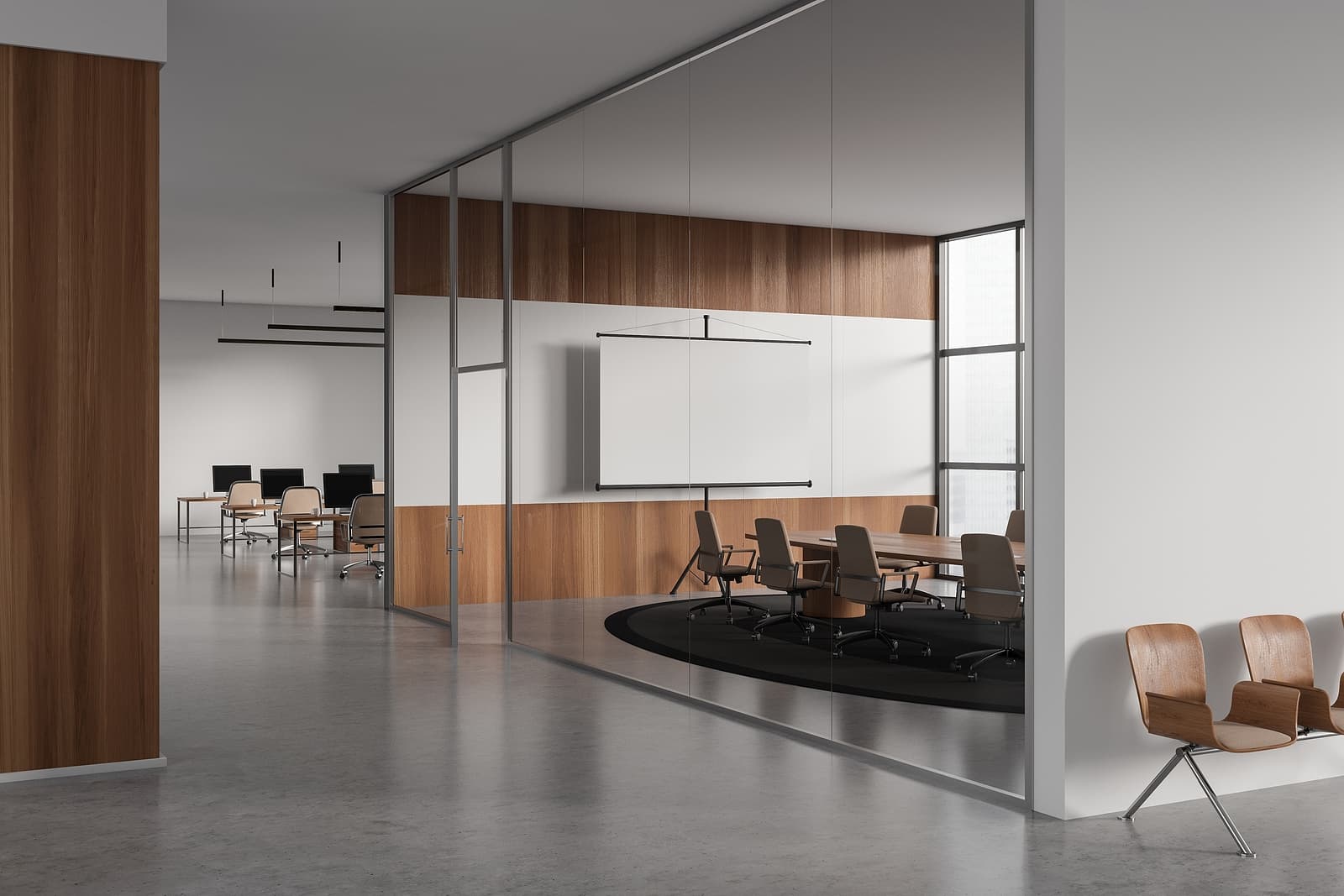
For a workplace or public buildings, a floating glass staircase can provide visual interest and a focal point for foyers, atriums and mezzanine spaces. It can make for a very dramatic entrance and a striking first impression.
The way that glass staircases open up a space can foster better collaboration and connections between colleagues and clients. The bonus of extra natural light can help with staff morale and productivity, too.
Compared to carpeting or wood, glass stairs require much less maintenance, only a regular cleaning with glass cleaners and cloths.
Safety considerations for glass staircases
Glass staircases, though they may look fragile, are actually incredibly tough and can support a lot of weight.
For all buildings, the safety rating of the toughened laminated glass treads is in line with Building Regulations Approved Document K.
For evenly distributed loads, treads must be able to support a minimum of 1.5 kilonewtons per square metre. For concentrated loads, that number goes up to 2.0 kilonewtons, which is a lot of weight.
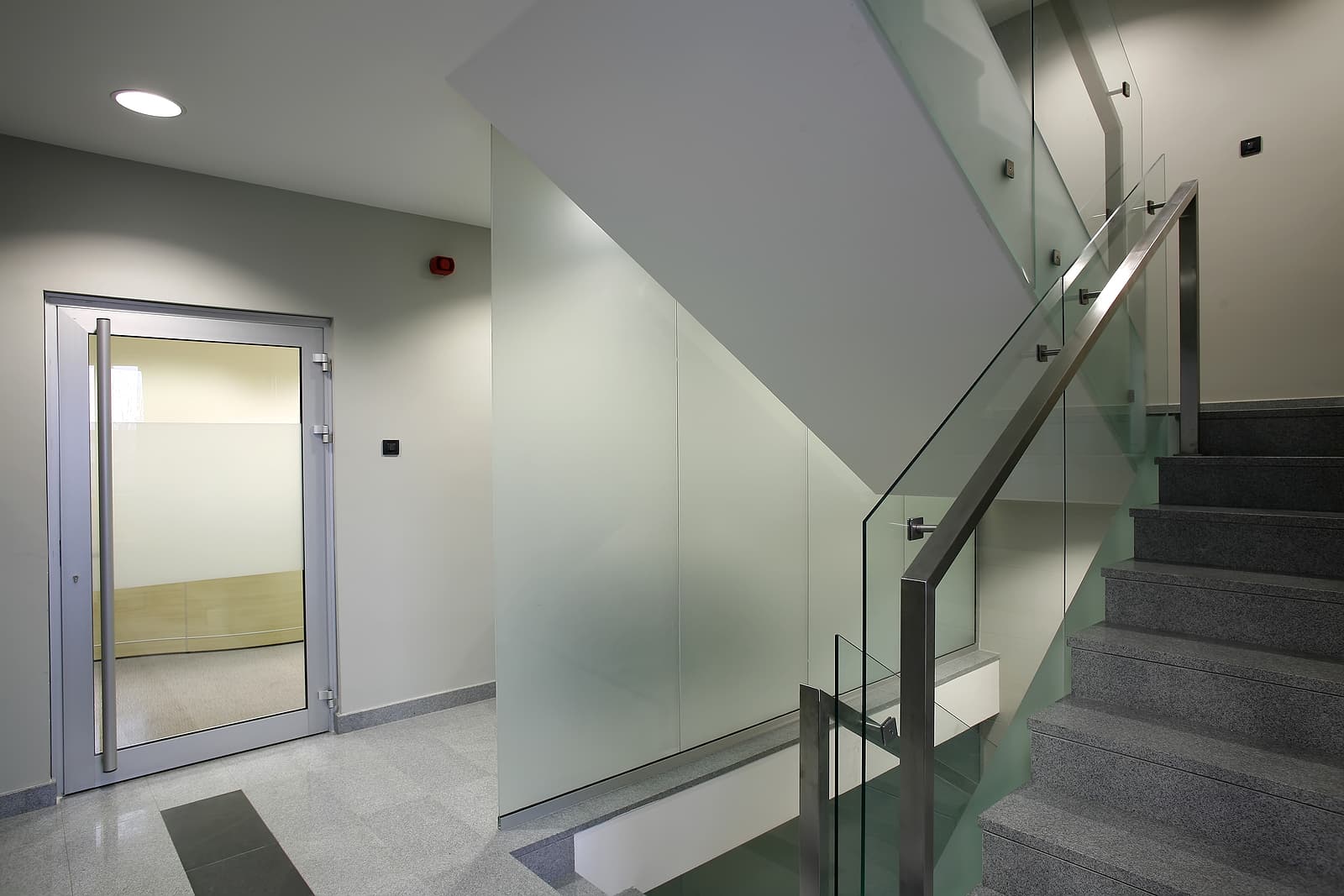
The regulations also require all staircases to use balusters to prevent falls, with a minimum height of 900mm for flights and 1100mm for floors/landings, regardless of the material.
The laminated glass treads can also be sandblasted to create an anti-slip surface and provide grip when ascending and descending.
What buildings are floating glass staircases not suited for?
For modern buildings, made of 20th-century materials like glass, steel and concrete, a glass staircase is a perfect choice. However, there are certain types of buildings where glass treads are not the best option.
Period properties and listed buildings
For historically significant buildings and homes built before the 20th century, a glass staircase might be a poor match for the character or traditional look of the architecture.
Listed buildings also have restrictions on what changes are allowed to the property’s structure.
There are exceptions to the rule, where architects have successfully used glass and other modern building materials for the interior of a graded building, leaving the exterior façade intact.
An example is the new HMRC building in Newcastle, where the Grade II listed frontage of Carliol House was retained, while the interior was rebuilt and a large new-build glass and steel office block added to it.
Homes with very young or very frail occupants
Children and the elderly are more prone to accidents on staircases due to a lack of balance or coordination. Having a glass staircase can disorient them and be potentially hazardous.
People who prefer privacy
The nature of glass staircases is that they are transparent, which may not appeal to everyone, particularly those who value privacy and separate living spaces. However, for those who prefer open-plan living, they are ideal.
High traffic areas
Glass staircases take little maintenance and are very durable, but sticky finger prints and marks show up on glass balustrades.
That said, they are remarkably easy to clean with standard glass cleaner and a cloth. But it could make them unsuitable for high-traffic areas without regular cleaning schedules.
Are there places where a floating glass staircase cannot be installed?
Cantilever stairs, whether glass or otherwise, need a load-bearing wall to anchor them. If a building does not have a suitably constructed wall, then it cannot be installed.
However, you can still achieve the aesthetic appeal of a glass staircase using a monostringer or a glass staircase with open risers.
Whichever type of glass staircase you choose to install, you can be sure that it will enhance the space, giving you a stylish yet functional way to move around the building.