The use of more glass in buildings is a clear modern trend, but some might wonder how well this will work in a hotter world. However, the way modern glass is treated and coated means that, far from creating a ‘greenhouse’ effect, it can actually help to control temperature.
Many people will be familiar with the problem experienced in some structures containing a lot of glass. Greenhouses are designed to do this to create a microclimate favourable to plants, raising the average temperature by between five and 15 degrees C.
In a conservatory, however, it is a big problem and is a reason for some such structures becoming unfashionable in recent years.
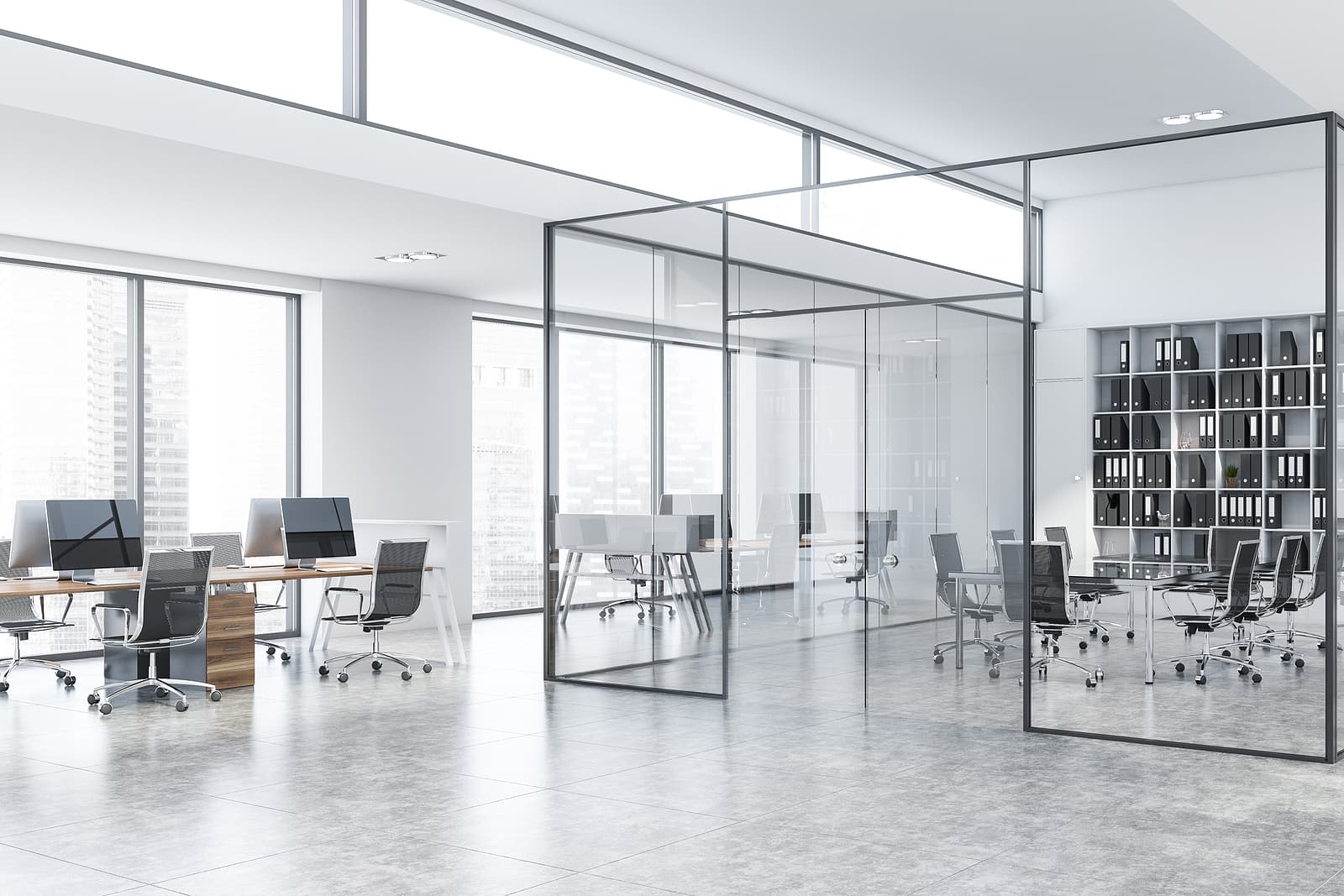
Could such a problem manifest itself in much larger buildings, where floor-to-ceiling structural glass and interior features like glass partitions, while providing lots of welcome natural light in winter, become far too hot in Britain’s increasingly warm summers?
Was A Warning Over Using Glass In A Warming British Climate Justified?
This question was raised by the Committee on Climate Change nine years ago, which argued that while architects had done much to help ensure buildings were well insulated, there was a danger that warmer summers could create hothouse environments.
In particular, it noted that residential buildings with a lot of glass facing towards the sun could be prone to getting excessively hot and called for a review of building regulations.
The question was not being posed by the uninformed and, given that this is literally the effect that greenhouses are designed to create and that some conservatories suffer from, the query was fair.
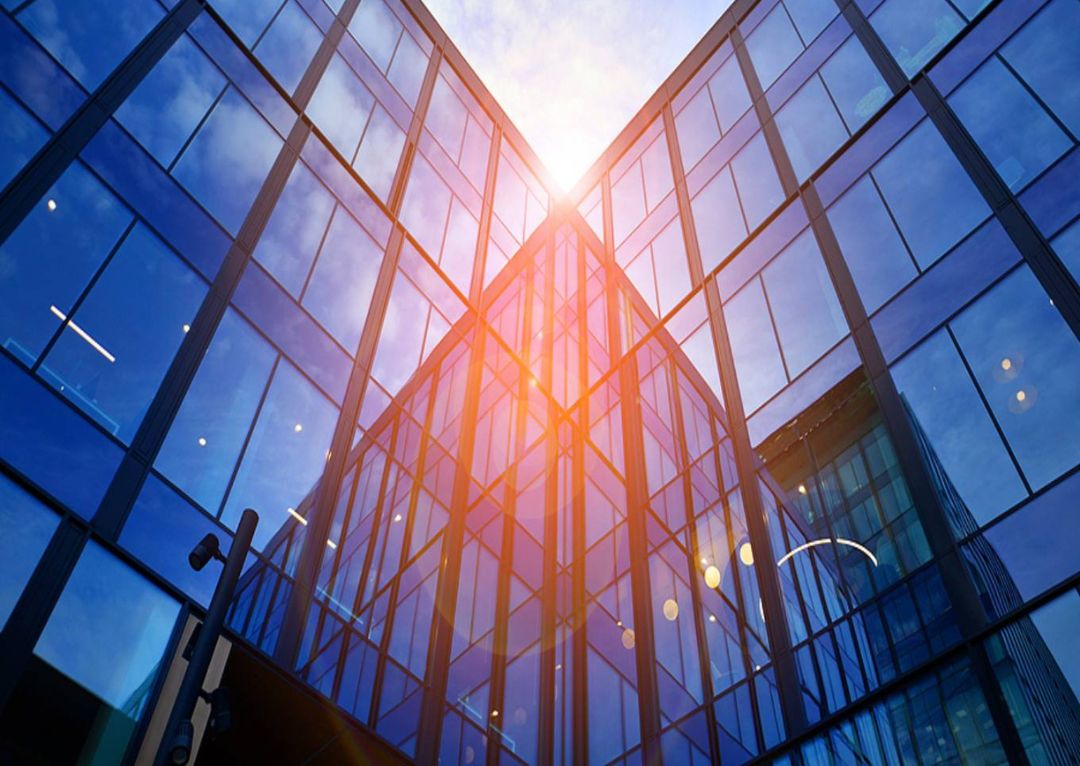
However, not all glass is equal. Treated, coated or tinted in the correct way, it can have the reverse effect.
This way, glass partitions can retain the benefits of providing extra natural light, especially when the sun isn’t beaming brightly down from the summer sky, without creating excessive heat when it is.
How Does New Technology Help Glass To Keep Interiors Cooler?
It all comes down to the development of both architecture and glass manufacturing, as was highlighted by ArchDaily in 2022.
The article acknowledged that “early modernism with its signature high-rises and glass houses had made us think that glass-enveloped buildings are mostly uncomfortable, over-exposed, and overheating settings.”
However, it continued, “nowadays, glass manufacturers are proving that glass, if well treated and well-placed, can be as versatile and efficient a material as one could want without compromising the visual comfort for the dwellers.”
Among the developments in glassmaking technology highlighted were:
- Coatings that filter light
- Double glazing with glare control
- Glass that reflects more light back
- Varying the thickness of glass
Much of this is used in outside glazing rather than internal partitions, but it can still be applied to the latter if required, for example, if more light filtration is needed for days when the summer sun is at its brightest.
This sort of technology can be seen elsewhere, for instance in optical technology, where light-sensitive glasses turn dark to act like sunglasses.
How Can Glass Work With Other Design Features To Keep Buildings Cool?
The ArchDaily article noted that glass can also be used in concert with wider design features, such as the use of passive heating principles, to maintain a comfortable temperature at all times of year through effective ventilation, highlighting some examples of recent projects.
Without doubt, climate impacts building design all over the world, which is one of the reasons that different architectural styles and methods can be seen when one travels overseas. Each climate poses different challenges and these are not always met.
For example, Australian homes are notorious for the opposite issue to the one the Committee on Climate Change warned UK planners about in 2017, with buildings designed to avoid heat being unpleasantly cold in winter, due to a lack of insulation.
However, the capacity of the most modern glass to maintain comfortable temperatures is highlighted by the fact that buildings using it a lot, both externally and internally, exist in some of the hottest countries in the world.
For example, the Burj Khalifa in Dubai, still the tallest building in the world (although it will soon lose this title to a taller building in Saudi Arabia), has plenty of interior glass, yet it is able to maintain a luxurious setting.
Quite simply, the question of whether using glass as part of the interior or exterior structure of buildings (or both) can be reconciled with a warming world has been answered. The issue is not whether glass can be used, but what type of glass.
For this reason, nobody should be put off a by project that includes plenty of glass partitions just because of the experience of a greenhouse or an older conservatory.
The technology has developed significantly, enabling everyone using such buildings to benefit from more natural light without being baked.